
Best Wildflower Hikes in Mount Rainier National Park: Top Trails & Bloom Tips
Mount Rainier National Park is a treasure trove for nature enthusiasts, especially those captivated by vibrant wildflower displays. The park offers an array of trails that lead hikers through dazzling alpine meadows filled with colorful blossoms. For the ultimate natural spectacle, explore the iconic wildflower hikes like Skyline Trail and Naches Loop, which are known for their breathtaking views and carpet of wildflowers.
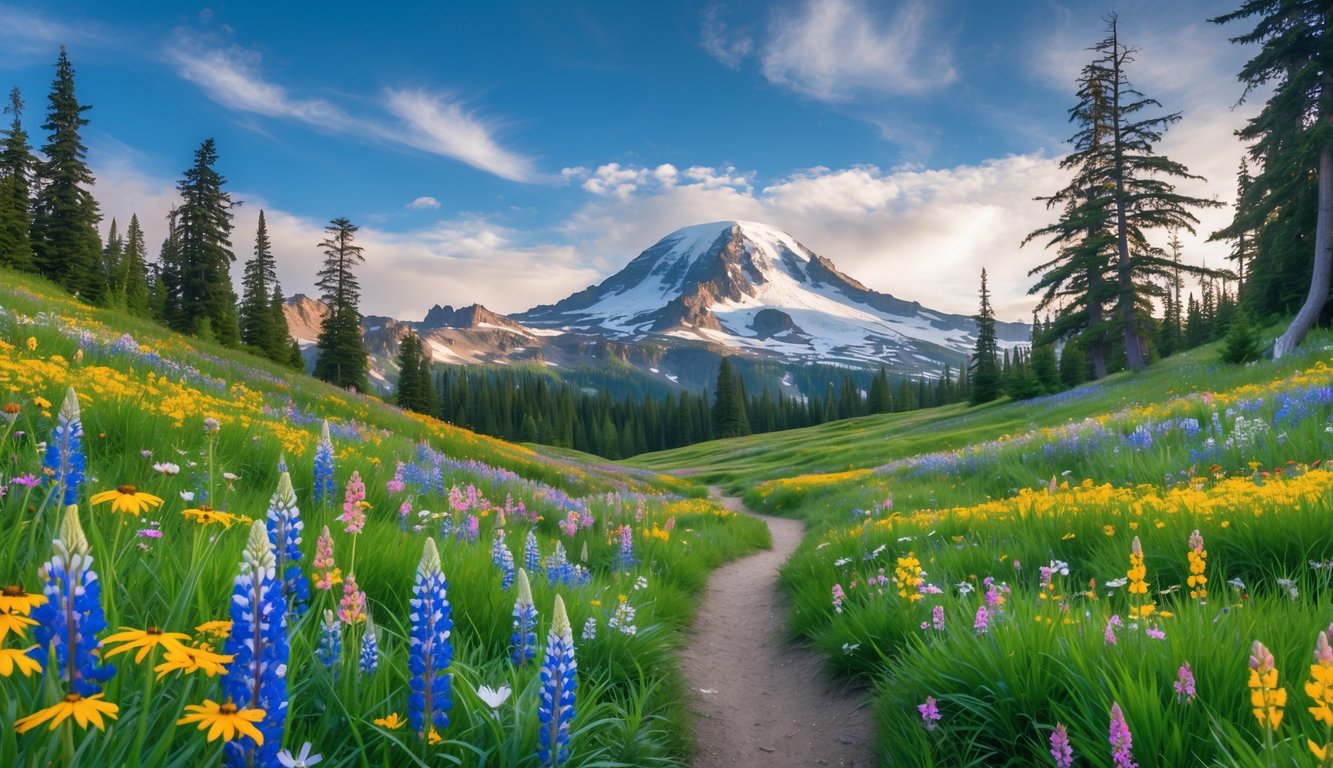
Throughout the park, each trail tells its own story, featuring a variety of floral species that thrive in the park’s unique ecosystem. Wildflower enthusiasts delight in discovering species such as avalanche lilies and lupines that flourish at different times, typically peaking from mid-July to late August. Whether hiking with family on a gentle path or taking on a more challenging trek, adventurers will find a verdant paradise at Mount Rainier.
For those eager to experience this floral wonderland, hikes such as Sheep Lake and Reflection Lakes offer a mesmerizing blend of scenery and flora without requiring advanced hiking skills. These trails not only showcase the floral beauty but also provide stunning vistas of Mount Rainier itself, ensuring an unforgettable hiking experience amid nature’s colorful canvas.
Wildflower Hiking Regions in Mount Rainier
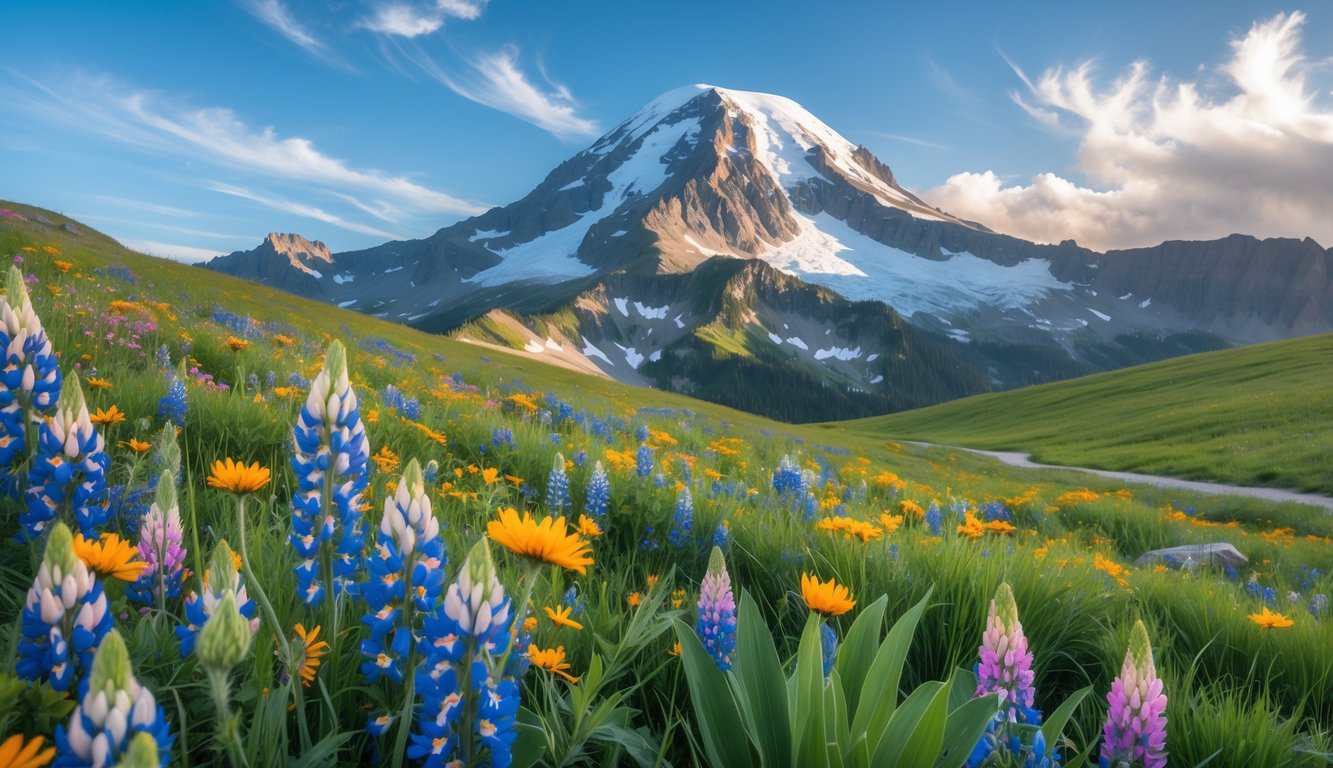
Mount Rainier National Park offers an array of stunning wildflower hiking regions, each with unique landscapes and vibrant displays. The park’s diverse zones like Paradise, Sunrise, Mowich Lake, and Chinook Pass provide opportunities to explore alpine meadows, waterfalls, and breathtaking views of Mount Rainier.
Paradise: Meadows and Waterfalls
Paradise is one of the most popular wildflower hiking areas in Mount Rainier National Park. Located near the Nisqually Entrance, this region is celebrated for its lush meadows and beautiful waterfalls. The trails here offer a remarkable chance to witness a rainbow of wildflowers nestled amidst the subalpine meadows. Hikers can enjoy trails like the Skyline Trail, which meanders through fields bursting with color during peak bloom. Not only are the flowers spectacular, but the views of Mount Rainier towering above the meadows are also awe-inspiring. The area’s historic buildings, such as Paradise Inn and the main visitor center, add a touch of history to the natural beauty all around.
Sunrise: High-Elevation Blooms
At Sunrise, the highest point in the park accessible by vehicle, the wildflowers are a sight to behold. Sunrise lies in the northeastern part of Mount Rainier National Park and offers high-elevation blooms in its subalpine meadows. The Sunrise Nature Trail is a gentle introduction, featuring vibrant flowers with stunning views of Mount Rainier. More adventurous hikers can explore the Sourdough Ridge Trail, offering panoramic views of nearby peaks. The serene atmosphere of Sunrise is complemented by occasional sightings of wildlife such as marmots and black bears. Access is via the White River Entrance, making it a convenient stop for those arriving from the north.
Mowich Lake and Spray Park
Mowich Lake, located in the park’s remote northwest corner, is known for its quiet beauty and colorful sprays of wildflowers. Visitors can reach this secluded area by a gravel road, adding to its charm as a less-traveled destination. The Spray Park Trail is particularly famous for its expansive views and diverse plant life. This trail takes hikers through dense forests, past streams, and up to wide-open subalpine meadows where wildflowers shine in mid-summer. The area is a haven for solitude seekers and nature lovers, offering a peaceful escape from more crowded park areas.
Chinook Pass and Tipsoo Lake
Chinook Pass is positioned at the northeast entrance to Mount Rainier National Park, leading to the picturesque Tipsoo Lake. This area is only open seasonally but rewards visitors with some of the most iconic views of Mount Rainier. The small, crystal-clear lake is surrounded by blooming meadows, reflecting the majestic peaks soaring above. Trails around Tipsoo Lake are accessible and scenic, catering to a wide range of hiking abilities. Chinook Pass also provides a convenient link to more extensive hikes, making it a versatile region for those wanting to explore wildflower meadows and enjoy impressive vistas.
Best Wildflower Hikes and Trails
Engage with the vibrant hues of wildflower meadows in Mount Rainier National Park. This region offers breathtaking vistas and unique experiences along trails that wind through lush landscapes and showcase diverse species.
Skyline Trail and Skyline Loop Trail
The Skyline Trail, including the Skyline Loop Trail, stands out with panoramic views of Mount Rainier and surrounding peaks. This trails provide access to Paradise Area, renowned for its wildflower meadows. Hikers can enjoy views of Myrtle Falls and Panorama Point, where the trail reaches an elevation of approximately 6,800 feet. As hikers traverse the area, you’ll notice stunning displays of lupine, paintbrush, and other vibrant flora.
For photographers and nature lovers, this trail offers countless opportunities to capture the beauty of the landscape and the park’s unique wildflowers. Variations in elevation and scenic diversity make this an essential experience for any visitor during wildflower season.
Spray Park Trail and Mowich Area
The Spray Park Trail offers an enchanting journey through dense forests and flower-filled meadows. It begins near Mowich Lake, a serene glacial-fed body of water that sets the mood for the hike. Along the 6.5-mile loop, hikers will pass by Eunice Lake and ascend to Tolmie Peak Trail for magnificent views of Mount Rainier.
Spray Park itself is a summit destination where wildflower meadows burst with color during the blooming season. These meadows provide a striking contrast against the backdrop of cascading waterfalls and alpine scenery. The trail is a favorite for those seeking a mix of challenging hiking and the peace of a remarkable natural setting.
Naches Peak Loop and Tipsoo Lake
The Naches Peak Loop and nearby Tipsoo Lake offer subalpine meadows renowned for their vibrant wildflower displays. This 3.5-mile loop trail is perfect for hikers of all skill levels, combining accessibility with impressive scenic rewards. Bright blooms, including lupine and paintbrush, cover the meadows with colorful carpets.
Hikers following the trail will be greeted with sweeping vistas of Mount Rainier, reflected beautifully in the waters of Tipsoo Lake. This family-friendly hike brings visitors close to nature and allows for easy appreciation of the picturesque landscapes and wildflower blooms. The views alone make the Naches Peak Loop a must-see on any wildflower hiking itinerary.
Wonderland Trail Highlights
The legendary Wonderland Trail encircles Mount Rainier, offering more than 90 miles of exhilarating hiking. This trail features highlights like Reflection Lakes and the Bench and Snow Lakes Trail, ideal spots to witness the harmonious blend of wildflowers and dramatic landscapes.
Points of interest such as the stunning Mount Fremont Lookout Trail, with its breathtaking views and possibility of wildlife encounters, add to the allure. Hikers often enjoy sections of the Wonderland Trail like Burroughs Mountain Trail for dramatic views and the Pinnacle Peak Trail for a challenging ascent.
Whether opting for a shorter hike or embracing a longer wilderness adventure, the Wonderland Trail offers a slice of paradise with each step, making it a beloved destination for those seeking to connect deeply with the natural beauty of Mount Rainier.
Signature Wildflowers to Discover
Mount Rainier National Park is a treasure trove of stunning wildflowers that paint its meadows with vibrant colors. Among these, lupine, avalanche lilies, and Indian paintbrush stand out for their beauty and diversity.
Lupine and Alpine Favorites
Lupine is a standout among wildflowers, captivating visitors with its tall spikes of purple and blue flowers. These blooms flourish in the alpine meadows of Mount Rainier, often seen alongside other alpine favorites. The lupine’s ability to thrive in the higher elevations lends a touch of bold color against the backdrop of rugged mountain terrain. Hikers trekking through places like Grand Park or the Skyline Trail are treated to fields of these beautiful flowers, creating a picturesque scene that is both breathtaking and photogenic.
Avalanche Lilies, Bear Grass, and Glacier Lilies
Avalanche lilies and glacier lilies are typically the first wildflowers to bloom as the snow melts away, marking the arrival of spring in the park. The delicate white petals of avalanche lilies often pierce through the last patches of snow, a spectacular sight along the Reflection Lakes. Bear grass, with its tall stalks and white tufted blooms, makes its presence known among other lilies, adding depth to the meadows. These species flourish in cooler climates, and their early blossoms set the stage for the vibrant parade of flowers that follow.
Indian Paintbrush and Colorful Blooms
Indian paintbrush is a vivid addition to Mount Rainier’s wildflower collection. Its fiery red and orange blooms are unmistakable, adding a dramatic splash of color amid more subdued hues. Seen in meadows throughout the park, such as those on the Naches Loop, these flowers are often accompanied by a range of other colorful blossoms. As wildflower meadows reach their peak bloom, visitors are treated to a kaleidoscope of colors, where Indian paintbrush stands as one of the most eye-catching highlights. This floral diversity creates an unforgettable experience for hikers drawn to the natural beauty of Mount Rainier.
Wildflower Hiking Essentials and Planning Tips
Exploring the wildflower hikes in Mount Rainier National Park offers a stunning natural experience, but preparation is key to making the most of it. To enjoy this adventure, it’s crucial to know the best times for blooming wildflowers, understand trail conditions, pack essential hiking gear, and respect park regulations.
Best Time to See Wildflowers
The wildflower season at Mount Rainier National Park is a favorite among hikers, typically peaking between mid-July and mid-August. During this period, the trails burst into vibrant colors as the meadows come alive. Timing your visit during this prime period ensures you experience the full splendor of blooms. Early risers often catch less crowded paths and cooler temperatures, enhancing their experience. The incredible variety of flowers includes lupines, paintbrushes, and avalanche lilies. Keep in mind that weather can impact the blooming schedule each year, so checking park updates in advance is advisable.
Trail Conditions and Elevation Gain
Understanding the trail conditions and elevation gain is vital for a successful hike. Many of the popular wildflower trails at Mount Rainier feature steep sections, with elevation gains varying significantly. Some trails, like the Skyline Trail, offer breathtaking panoramic views but require preparation for more challenging terrain. Seasonal conditions, such as lingering snow or muddy paths, may affect accessibility. Proper preparation means selecting a trail that matches your fitness level and abilities. For accurate and current trail information, consulting maps and talking with park rangers at the trailhead can provide valuable insights.
What to Pack: Hiking Gear and Boots
Packing the right gear is essential for comfort and safety. A sturdy pair of hiking boots with good traction is crucial for navigating the park’s varied terrain. Essential gear includes a well-fitted backpack, a waterproof jacket, and layered clothing to adapt to changing weather. Ample water, snacks, and a portable first-aid kit are also important. Cameras or smartphones help capture the stunning landscapes, so additional battery packs or chargers may be useful during longer excursions. Lightweight trekking poles can assist with balance on steeper trails. Print or download trail maps ahead of time to avoid getting lost in areas with limited cell reception.
Leave No Trace and Park Rules
Respecting the environment by following Leave No Trace principles is vital when hiking among the delicate wildflower meadows. Stick to designated paths to prevent damaging fragile plant life. Leave all natural and historical items undisturbed to preserve the park for future visitors. Pack out everything you bring, including all trash. Obey park regulations such as fire restrictions and abide by any temporary trail closures. Pets are allowed in some areas, so familiarize yourself with specific park rules and regulations if you’re planning to hike with a pet. Respecting these guidelines ensures the park remains pristine for generations to come.
Scenic Viewpoints and Nearby Highlights
Mount Rainier National Park is a treasure trove of stunning viewpoints and fascinating trails. Visitors can experience breathtaking vistas, iconic lookouts, and tranquil lakes, each offering its unique charm. Whether you’re admiring the cascading beauty of Myrtle Falls or soaking in the reflections of the majestic Rainier, there’s much to explore around every trail bend.
Myrtle Falls and Panorama Point
Myrtle Falls offers a picturesque scene that merges the beauty of a waterfall with the grandeur of Mount Rainier in the background. A short walk from the Henry M. Jackson Visitor Center leads to the falls, where the water plunges dramatically over the edge. The trail is friendly for all types of visitors and provides an ideal spot for photography.
A little further on, Panorama Point provides panoramic views that are nothing short of spectacular. Reaching this spot involves a moderately challenging hike, rewarding adventurers with sweeping vistas of the Cascades and, on clear days, a sight of Mount St. Helens, Mount Adams, and even Mount Hood. The trails here can also be accessed via the popular Sunrise Nature Trail.
Tolmie Peak Lookout and Mount Fremont Lookout
The Tolmie Peak Lookout offers striking views of Eunice Lake and beyond. Visitors taking the trek to this historic fire lookout are treated to unparalleled landscapes, offering a commanding view of Mount Rainier itself. Energetic hikers often start from the Mowich Lake area, weaving through beautiful forested paths before reaching the lookout.
Similarly, Mount Fremont Lookout provides an exhilarating experience for hikers. Located near the Sunrise Visitor Center, this hike challenges many yet rewards with expansive views stretching over the rugged terrain. The chance to see wildlife such as marmots adds an extra element to the climb, making it a must-do for those exploring the park.
Reflection Lakes and Bench & Snow Lakes
Reflection Lakes, true to their name, perfectly mirror Mount Rainier’s towering presence. The calm, reflective waters create a postcard-perfect scene, especially when framed by wildflowers in bloom. Easy access from the main road makes these lakes a popular stop for many visitors.
Nearby, the Bench and Snow Lakes trail offers a relatively short but delightful hike. As walkers progress, they encounter pristine waters and serene surroundings. The journey promises peace and breathtaking views, encouraging hikers to pause and savor the mountain’s majesty. Each step along this trail feels like an invitation to immerse oneself in the undisturbed wilderness.
Travel Tips for a Bloom-Filled Adventure
Embarking on a bloom-filled adventure at Mount Rainier National Park is a thrilling experience, with stunning wildflower displays and scenic vistas. Key highlights include the main park entrances, parking advice, and nearby attractions such as Mount Adams and Mount St. Helens that enhance the adventure.
Getting to the Park and Entrances
Reaching Mount Rainier National Park is straightforward, with several entrance options catering to different travel plans. The Nisqually Entrance is popular for visitors coming from Seattle and provides direct access to the popular Paradise area. For those traveling from the eastern side, the White River Entrance is ideal for accessing the Sunrise region known for its breathtaking views and vibrant wildflower meadows. Visitors should be ready for changes in accessibility during winter months when Stevens Canyon Road and Sunrise Road might close. Ready for adventure? Don’t forget a map for navigating the park’s entrances.
Parking, Facilities, and Accessibility
Parking can be limited, especially during peak bloom seasons when the wildflowers are stunningly vibrant. Early arrival is recommended at popular spots like Paradise and the Sunrise area. Facilities such as restrooms, visitor centers, and picnic areas are available, offering a comfortable stop after wandering along the flower-filled Paradise trails. Accessible restrooms and pathways can also be found in these areas, accommodating all visitors. The Grove of the Patriarchs trail provides an accessible boardwalk experience in the park’s majestic old-growth forest. For overnight enthusiasts, the White River Campground offers a great base to explore the beauty at your own pace.
Nearby Destinations: Mount Adams, Mount Baker & Mount St. Helens
Extend your wildflower adventure beyond Mount Rainier by visiting other spectacular nearby destinations. Mount Adams offers enchanting backcountry paths and impressive views, while Mount Baker delights with alpine meadows filled with vibrant blooms. Mount St. Helens provides a stark contrast, with its volcanic landscape, yet still showcases a remarkable comeback of flora in its surroundings. The journey to each location is an experience in itself. While Mount Adams and Mount St. Helens are relatively close, a drive to Mount Hood offers yet another floral wonderland and picturesque mountain vistas, ideal for day trips from the park. This enchanting region is a paradise for nature lovers seeking diversity in flora and landscapes.