
Best Wildflower Hikes in Mount Rainier National Park: Trails, Tips & Blooms
Every summer, Mount Rainier National Park transforms into a floral wonderland, captivating nature lovers and hikers alike. The best time to witness the vibrant wildflower displays is from late July through mid-August, when the subalpine meadows are adorned with colorful blooms. This period offers an unforgettable experience for those seeking to explore the breathtaking beauty of Mount Rainier’s diverse landscapes.
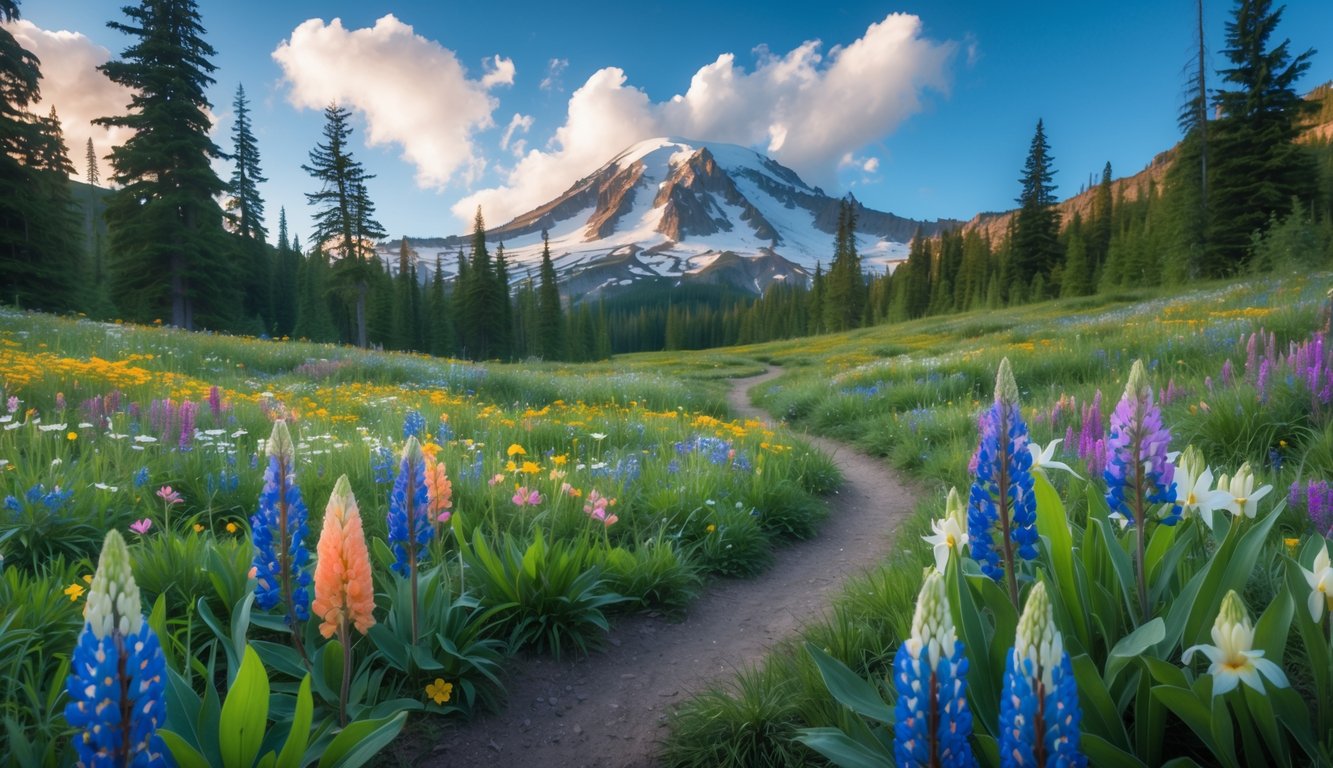
Adventurers flock to the park for its renowned wildflower hikes, where breathtaking vistas of Mount Rainier provide a stunning backdrop to the fields of vibrant petals. Popular trails such as the Tipsoo Lake Loop provide easy access to scenic views that promise awe-inspiring moments at every turn. For those looking for a challenge, the trek to Summerland rewards hikers with an impressive array of wildflowers and spectacular panoramic views.
Discovering the best wildflower hikes in Mount Rainier National Park is a journey that combines natural beauty with adventure. With each step along the well-trodden paths, visitors are enveloped by the scents and sights that define this iconic destination. Mount Rainier’s trails invite hikers to delve into a world where nature’s finest colors paint the landscape, offering memories that will linger long after their adventure ends.
Essential Tips for Wildflower Hiking at Mount Rainier
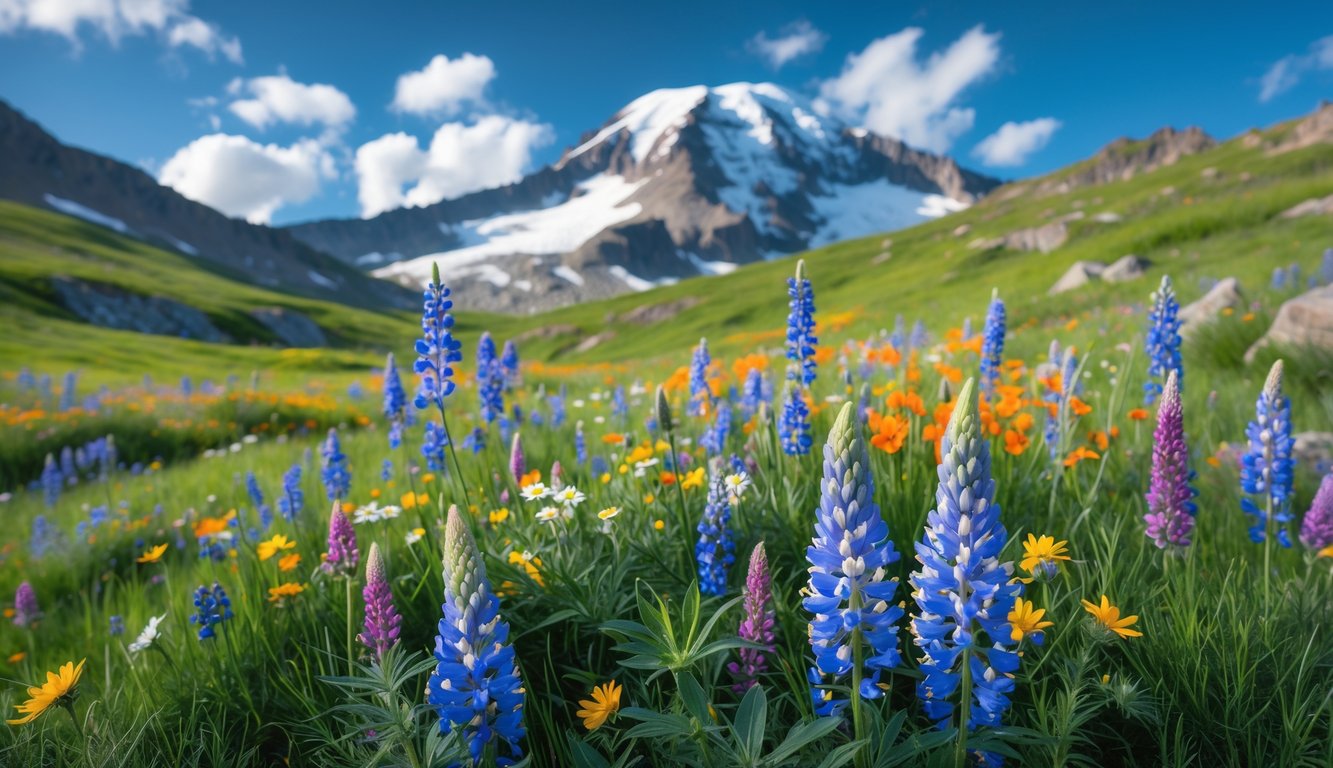
Embarking on a wildflower hike at Mount Rainier is a captivating adventure filled with vibrant landscapes and breathtaking views. To make the most of this experience, it is crucial to consider the best viewing times, equip oneself with appropriate gear, adhere to responsible hiking practices, and be prepared for varying trail conditions.
Best Time to See Wildflowers
For enthusiasts eager to witness Mount Rainier’s stunning wildflower displays, timing is key. The peak bloom typically occurs from late July to mid-August. During this period, the subalpine meadows are awash with color, creating an awe-inspiring sight. Changes in weather and snowfall affect bloom times, so staying updated on the current conditions is vital. The park’s website provides up-to-date information regarding the peak wildflower season. Visitors should prioritize planning their visit during these dates to fully experience the meadows’ vivid displays. Being flexible with travel dates also increases the chances of catching the wildflowers at their most radiant.
Recommended Hiking Gear
Preparing for a hike through Mount Rainier’s wildflower-rich trails requires thoughtful gear selection. Sturdy hiking boots are essential for comfort and safety on the uneven terrain. Lightweight, moisture-wicking clothing helps manage the varying temperatures encountered, especially in the alpine environment. A waterproof jacket or windbreaker can protect against sudden weather changes. Carrying a small backpack with hiking essentials like water, snacks, and a map is advisable. A camera or smartphone ensures picturesque moments are captured, preserving the beauty of the vibrant blooms. Binoculars can enhance the experience, offering closer views of both the colorful flora and any nearby wildlife.
Leave No Trace Principles
Practicing Leave No Trace principles is fundamental to preserving Mount Rainier’s natural beauty for future generations. This involves staying on marked trails to avoid trampling delicate wildflowers and disrupting ecosystems. Hikers should pack out everything they bring in, including trash, to maintain the park’s cleanliness. It’s important to refrain from picking or damaging any flowers, as they are crucial to the local environment. Respect for the wildlife is equally important, requiring visitors to keep a safe distance from animals and not feed them. By following these guidelines, hikers contribute to the protection and conservation of these remarkable landscapes.
Trail Conditions and Safety
Hikers should be aware that trail conditions at Mount Rainier can change quickly due to weather variations. Before setting out, checking the latest trail conditions and any advisories is recommended. The park’s website often provides updates on accessibility and safety concerns. Carrying a map and compass enhances navigation, particularly as network coverage may be limited. Equipping a daypack with a first aid kit, extra water, and snacks prepares hikers for unforeseen circumstances. In regions like Mount Rainier, where elevation changes can be significant, being aware of one’s physical limits is imperative. Informing someone of the hiking plan and expected return time adds an extra layer of safety.
Top Wildflower Trails in Paradise
Mount Rainier National Park features stunning wildflower trails in the Paradise area, known for its vibrant blooms and breathtaking views. Hiking through lush meadows, visitors can admire diverse wildflowers like avalanche lilies, lupine, and Indian paintbrush while enjoying iconic sites such as Nisqually Glacier and Reflection Lakes.
Skyline Trail Highlights
The Skyline Trail offers a challenging yet rewarding trek with unparalleled views of Mount Rainier and the surrounding wilderness. This 6-mile loop captivates hikers with its varied landscapes, including open meadows bursting with wildflowers and rocky terrains. As they ascend, visitors are treated to spectacular sights of the Nisqually Glacier and lush valleys. Mid-July to mid-August is an ideal time to experience the colorful wildflower display, when blooms like avalanche lilies and Indian paintbrush cover the landscape. The trailhead begins at the Henry M. Jackson Visitor Center, providing an easy start for those eager to explore. Along the trek, spots like Panorama Point offer a perfect vantage for taking in sweeping vistas of the park.
Nisqually Vista Trail
Perfect for a leisurely stroll, the Nisqually Vista Trail is a short, family-friendly loop offering stunning views of Nisqually Glacier. Spanning about 1.2 miles, this trail is ideal for those wanting to immerse themselves in nature without a strenuous hike. In the summer months, hikers are greeted by fields of vibrant lupine and other wildflowers, making it a photographer’s delight. The paved path ensures accessibility for all, and the gentle elevation gain allows people of all ages to enjoy the walk. The trail circles around pristine meadows, providing ample opportunities to pause and admire the breathtaking scenery of Mount Rainier looming over the landscape.
Alta Vista Trail
The Alta Vista Trail provides another unforgettable experience within the Paradise area, distinguished by its ease and remarkable views. This 1.8-mile loop winds through colorful meadows filled with diverse wildflower species. Hikers marvel at the vivid display of colors, with blooms often reaching their peak in mid-summer. As they traverse the trail, visitors can enjoy not only the floral abundance but also the majestic sights of Mount Rainier’s snow-capped peak in the distance. Given its accessibility and photogenic scenery, the trail is popular among families and solo hikers alike. Starting at the Paradise parking lot, it’s a convenient choice for anyone looking to explore quickly without sacrificing the experience.
Myrtle Falls and Panorama Point
Hiking to Myrtle Falls and Panorama Point combines stunning waterfall views with an exhilarating alpine experience. The short trail to Myrtle Falls leads visitors to a picturesque waterfall framed by Mount Rainier in the background, creating an iconic photo opportunity. Continuing onward to Panorama Point requires a bit more effort but rewards hikers with sweeping views of the surrounding landscapes. As wildflowers blanket the fields in vibrant hues, visitors enjoy panoramic vistas that capture the essence of the Paradise area. Starting near the Skyline Trailhead, this route offers a bit of everything: serene waterfalls, alpine scenery, and an explosion of colors from the wildflower meadows.
Wildflower Hikes in the Sunrise and Chinook Pass Region
The Sunrise and Chinook Pass regions of Mount Rainier National Park offer some of the most breathtaking wildflower displays in the area. From scenic lakes surrounded by colorful blooms to trails offering panoramic views of the mountains, these hikes provide unforgettable experiences for nature lovers.
Naches Peak Loop and Tipsoo Lake
Naches Peak Loop and Tipsoo Lake are iconic destinations for wildflower enthusiasts. Located near Chinook Pass, this trail provides a spectacular mix of vibrant wildflower displays and stunning views of Mount Rainier. The loop is about 3.5 miles long, making it accessible for most hikers. Starting from Tipsoo Lake, the trail traverses lush meadows that are alive with colors from mid to late July. Highlights of the loop include not only the wildflowers but also reflections of Mount Rainier in Tipsoo Lake. Hikers can also experience parts of the famous Pacific Crest Trail along the way, adding to the allure of this scenic hike.
Mount Fremont Lookout Trail
The Mount Fremont Lookout Trail offers an exhilarating hike through subalpine wildflower meadows with an unforgettable reward at the summit: a panoramic view from the historic fire lookout. Starting at the Sunrise Visitor Center and winding through wildflower-rich areas like Frozen Lake, this 5.6-mile round-trip trail presents a moderate challenge. The lookout offers stunning views of surrounding peaks, and on clear days, both Mount Rainier and the distant peaks of the Cascade Range are visible. Visitors in late summer can expect to see a wide variety of wildflowers, creating a colorful array along the trail. The mix of diverse flora and breathtaking vistas makes this hike an incredible experience.
Sourdough Ridge and Berkeley Park
For those seeking a more immersive journey, the Sourdough Ridge and Berkeley Park Trail offer a perfect combination of adventure and beauty. Starting near the Sunrise Visitor Center, Sourdough Ridge provides sweeping views of alpine meadows painted with a riot of wildflowers. Continuing to Berkeley Park, hikers enter a serene landscape bustling with wildlife and vibrant blooms. This trail covers 7.7 miles round-trip and is ideal for those looking to delve deeper into the park’s natural beauty. The variety of flowers and the remote feel of Berkeley Park make this one of the most enchanting hikes for wildflower lovers in the region.
Sunrise Nature Trail
For an easy yet rewarding wildflower adventure, the Sunrise Nature Trail delivers a beautiful, leisurely hike. This 1.5-mile loop, located directly behind the Sunrise Visitor Center, is perfect for families or anyone short on time. The trail guides hikers through subalpine meadows, offering vibrant colors and close-up views of wildflowers. Views of Mount Rainier, paired with easy access and a manageable distance, make it one of the best options for those wanting an incredible experience without the challenge of a longer hike. The trail’s gentle terrain and breathtaking scenery attract thousands every season, ensuring a delightful experience for visitors.
Mowich Lake and Spray Park: Remote Wildflower Escapes
Nestled in the remote northwest corner of Mount Rainier National Park, the Mowich Lake area promises vibrant wildflower displays and serene alpine settings. Hikers can explore the Spray Park Trail, enjoy the scenic beauty of Tolmie Peak, and experience the tranquility of Mowich Lake.
Spray Park Trail
The Spray Park Trail is renowned for its stunning subalpine meadows carpeted with wildflowers. This moderately challenging 6-mile round-trip hike offers breathtaking views of Mount Rainier and the Mowich Glacier. Hikers navigate through switchbacks and open forests before reaching expansive meadows adorned with bear grass and other native blooms. The journey includes a visit to Spray Falls, a beautiful cascade of water providing a refreshing rest stop. It’s a feast for the senses, especially during the peak blooming season. While on the trail, visitors should stay on designated paths to protect the delicate ecosystem. Collecting rocks and minerals is prohibited to preserve the natural landscape.
Tolmie Peak Trail and Eunice Lake
A hike to Tolmie Peak leads travelers through enchanting woodlands and around Eunice Lake before reaching the summit. The trail is approximately 5.6 miles round trip, with an elevation gain of 1,100 feet. The reward at the Tolmie Peak Lookout is a panoramic view of Mount Rainier and the surrounding valleys, making it an unforgettable experience. Eunice Lake, nestled below the peak, offers a serene spot for reflection and picnic breaks. The area teems with vibrant wildflowers, and the azure waters of the lake provide a stunning contrast against the greenery. Adventurous hikers often extend their journey to witness the sunset from the Tolmie Peak Fire Lookout.
Mowich Lake Essentials
Mowich Lake, the largest glacial lake in the park, serves as a trailhead for several breathtaking hikes, including the Spray Park and Tolmie Peak trails. Accessible via a gravel road during the summer months, it offers primitive camping opportunities and a chance to reconnect with nature. The area lacks amenities such as RV hookups or restaurants, so visitors should come prepared with enough supplies, food, and water. Camping permits are necessary for overnight stays. The serene setting of the lake, surrounded by towering mountain peaks, is the perfect getaway for those seeking solitude and a true escape into Washington’s wilderness.
Iconic Long-Distance & Diverse Wildflower Hikes
Mount Rainier National Park offers an abundance of breathtaking long-distance hikes that traverse diverse landscapes filled with vibrant wildflowers. From the renowned Wonderland Trail to other scenic paths like the Summerland Trail, each hike provides a unique view of the park’s stunning flora.
Wonderland Trail Wildflowers
The Wonderland Trail encircles Mount Rainier, offering an incredible 93-mile journey through some of the park’s most unforgettable scenery. Hikers can embrace the variety of wildflowers that bloom across the park’s diverse climates. This trail crosses alpine meadows, particularly stunning around areas like Indian Henry’s Hunting Ground and Van Trump Park Trail. Summer months on the trail bring a bounty of color with flowers like avalanche lilies and magenta paintbrush brightening the landscape. Given the trail’s length, many opt to experience it as a long-term backpacking adventure, which allows them to fully immerse themselves in the changing environments and breathtaking vistas throughout the route.
Summerland Trail Experience
Located near the White River entrance, the Summerland Trail is a beloved path that transports hikers to a picturesque world of wildflowers. Ascending through dense forest, the trail eventually opens up to stunning views of the Emmons Glacier on Mount Rainier. During the peak summer months, the alpine meadows found in Summerland are abundant with colorful clusters of lupines, daisies, and red Indian paintbrushes. Although popular, the trail’s moderate difficulty ensures it’s accessible to most adventurers seeking a spectacular half-day hike. For those wanting to experience the floor of these meadows uninterrupted, embarking early in the morning is recommended.
Bench and Snow Lakes Trail
The Bench and Snow Lakes Trail contributes to the list of majestic wildflower paths that Mount Rainier boasts. It’s a relatively short and moderate hike compared to others, which makes it family-friendly and ideal for casual hikers. This trail weaves through serene meadows teeming with vibrant wildflowers before arriving at the tranquil waters of Snow Lake where reflections of the surrounding peaks create a postcard-perfect scene. Wildflower enthusiasts will find a paradise here, as a variety of blooms including violet asters and white mountain heather dot the landscape. The trailhead is conveniently accessible, located just off Stevens Canyon Road.
Pinnacle Peak Trail
Pinnacle Peak Trail offers an exhilarating challenge with rewarding panoramic views of the surrounding wilderness. Beginning at the Reflection Lakes, this trail climbs steeply to reach Pinnacle Saddle, offering breathtaking vistas of Mount Rainier, Mount St. Helens, and the Tatoosh Range along the way. The ascent features lush alpine meadows sprinkled with a variety of wildflowers like yellow arnica and elegant pasqueflowers. Due to its elevation gain and rugged terrain, this trail is best suited for more experienced hikers seeking both adventure and outstanding floral displays. Once at the top, the peak’s vantage point provides a sweeping view that’s especially stunning during sunset.
Planning Your Wildflower Hiking Adventure
Embarking on a wildflower hiking adventure in Mount Rainier National Park is an exhilarating experience. To ensure a successful hike, it’s crucial to understand the trailhead access points, familiarize yourself with visitor center services, and explore camping accommodations.
Trailhead Access and Entrances
Mount Rainier National Park offers several access points to suit various travel preferences. The Nisqually Entrance near Longmire is the park’s most popular access point, leading directly to Paradise, known for its vibrant meadows. Ohanapecosh is another gateway, offering serene surroundings and connections to several trailheads. Stevens Canyon Road provides access to the stunning Reflection Lakes, a perfect spot for photographing wildflowers against a backdrop of glistening water. For those heading to the eastern regions, the White River Campground offers proximity to trails like the Glacier Basin Trail. It’s wise to check for any road closures or trail conditions before traveling, as weather can impact accessibility, particularly in early summer.
Visitor Centers and Facilities
Visitor centers in Mount Rainier National Park are hubs of information and support for hikers. Longmire Museum offers historical insights and trail information. Visitors should also stop by the Jackson Visitor Center at Paradise for detailed trail maps, weather forecasts, and educational exhibits about the park’s ecosystems. At the Northeast, the Sunrise Visitor Center provides spectacular views and details about local flora and fauna. These centers also serve as crucial starting points for planning routes and getting the latest updates on trail conditions. Facilities vary in terms of amenities, with most offering restrooms and water refill stations to ensure visitors are well-prepared for their adventure.
Camping and Backpacking Options
For those looking to extend their hike into an overnight experience, Mount Rainier National Park offers diverse camping options. The White River Campground is ideal for exploring the park’s eastern trails. For a more rustic experience, consider backcountry camping by obtaining the necessary permits and planning routes carefully. Pack essential gear, such as a sturdy tent, a reliable water filter, and appropriate clothing layers for fluctuating mountain temperatures. Whether choosing developed campgrounds or backcountry sites, a night under the stars in this majestic landscape enhances the wildflower hiking experience, allowing for extended exploration and deeper appreciation of Mount Rainier’s natural beauty.