
Best Wildflower Hikes in Olympic National Park: Trails, Tips & Planning
Olympic National Park is a treasure trove for nature enthusiasts, boasting an incredible diversity of landscapes and ecosystems. This breathtaking park in Washington State offers a unique opportunity to explore lush rainforests, striking mountain ranges, and serene coastal areas all in one place. Discovering the best wildflower hikes in Olympic National Park promises a memorable experience with vibrant colors and natural beauty.
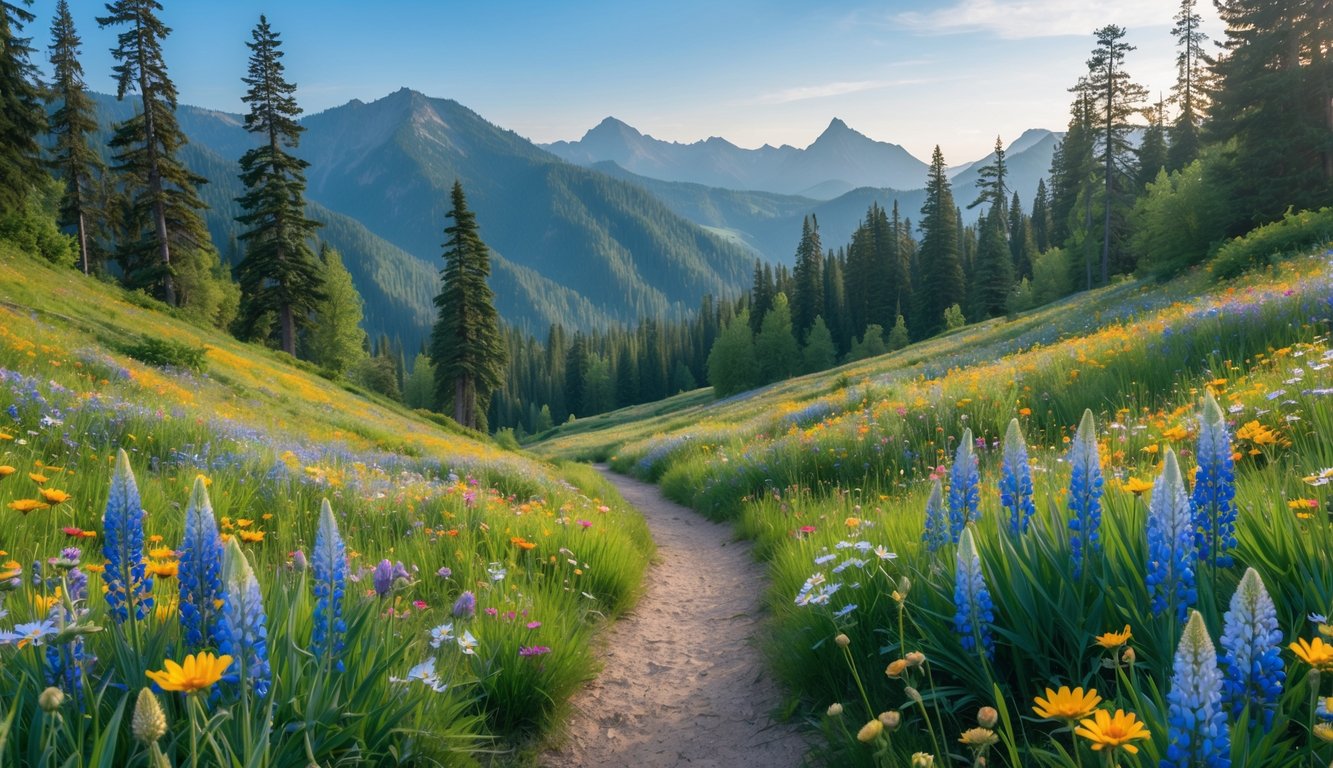
Hikers and nature lovers will find plenty to explore, with trails that showcase the incredible array of wildflowers. Popular paths such as Hurricane Ridge and the High Divide Loop are known for their stunning displays of alpine blooms during the summer months. For a truly immersive experience, a hike through the lush greenery of the Hoh Rainforest offers a spectacular contrast to the colorful wildflowers scattered along the trails.
Each trail presents a unique experience for outdoor enthusiasts, inviting them to explore the splendor of Olympic National Park while being surrounded by breathtaking natural beauty. With ample opportunity for adventure, visitors are guaranteed an unforgettable journey through one of the most picturesque locations in the Pacific Northwest.
Top Wildflower Hikes in Olympic National Park
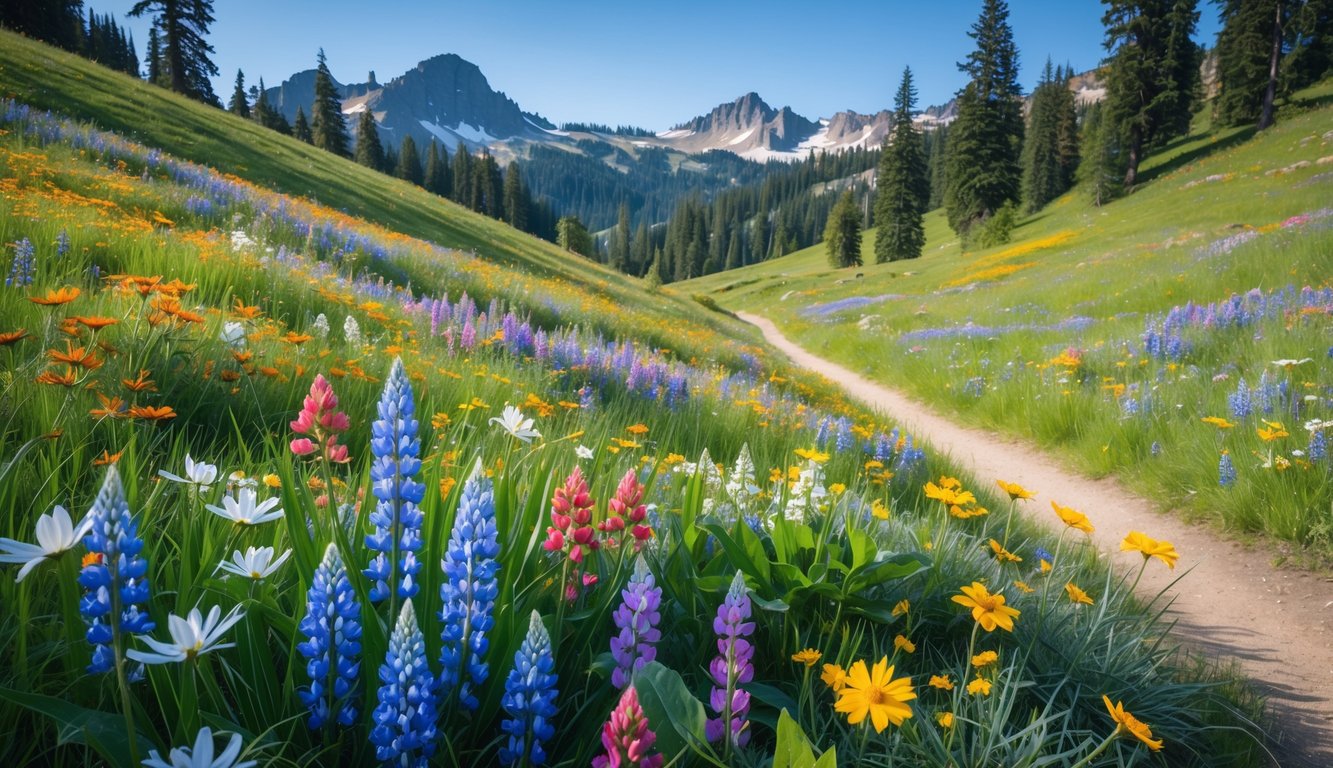
Discovering wildflower hikes in Olympic National Park is a thrilling experience for nature enthusiasts. From mountain vistas to coastal views, each trail offers a unique tapestry of colors and landscapes, providing a feast for the senses.
Hurricane Ridge and Surrounding Trails
Hurricane Ridge and its surrounding trails offer breathtaking panoramas and abundant wildflowers. The Hurricane Ridge Trail is a must for those seeking vibrant blooms alongside striking mountain views. This trail is known for its dramatic vistas and colorful wildflower meadows. Nearby, the Hurricane Hill Trail presents a moderate hike with stunning scenes that include bright lupines and paintbrush flowers. Hiking along the Switchback Trail and Klahhane Ridge Trail further enhances the experience, promising diverse flora and the possibility of encountering local wildlife. Visitors to this area can revel in the serene landscapes and enjoy the rich diversity of flowers that thrive in these high-altitude settings.
Lake Crescent Wildflower Trails
The area surrounding Lake Crescent is ideal for those who love both hiking and botany. The Mount Storm King Trail provides a challenging ascent with rewarding views of the lake and surrounding wildflowers, including fields of daisies and asters. For a gentler stroll, the Marymere Falls Trail leads hikers through old-growth forests to a stunning waterfall, bordered by colorful blossoms. The Spruce Railroad Trail is another option, guiding visitors along a historic rail path where wildflowers peek through the lush greenery. These trails around Lake Crescent offer diverse landscapes, from dense forests to open meadow areas, all bursting with natural beauty.
Rainforest Wildflower Walks
Exploring the lush Hoh Rainforest is a journey into a verdant wonderland where moss-draped forests host unique wildflower species. The iconic Hall of Mosses Trail meanders through ancient trees cloaked in green, with wildflowers adding splashes of color to the scene. The Spruce Nature Trail offers another immersive experience, showcasing various species alongside the rich diversity of rainforest flora. These trails on the Olympic Peninsula highlight the enchanting synergy between the rainforest environment and its floral inhabitants, providing visitors with a peaceful yet invigorating adventure through nature’s kaleidoscope.
Coastal Trails with Wildflower Views
Olympic National Park’s coastal hikes provide not just ocean views but also a chance to see seaside wildflowers. The Shi Shi Beach Trail is renowned for picturesque landscapes where colorful blooms meet the rugged coastline. This hike rewards travelers with breathtaking scenes of wildflowers set against dramatic sea stacks. The trails along the La Push Beaches also offer unique opportunities to witness coastal flora flourishing in their natural habitat. As wildflowers dot the sandy paths and rocky shores, these coastal trails create an unforgettable backdrop for those captivated by the harmony of ocean and earth.
When and Where to Find the Best Wildflower Blooms
Wildflower enthusiasts visiting Olympic National Park have a variety of locations and times to enjoy the vibrant blooming landscapes. Each area offers its own unique floral spectacle, perfect for both seasoned hikers and casual explorers. Key areas include Hurricane Ridge and the Seven Lakes Basin, each presenting a unique tapestry of blooms within specific peak seasons.
Peak Bloom Seasons by Region
Olympic National Park experiences distinct wildflower seasons depending on elevation and location. At lower elevations, such as the Hurricane Ridge Visitor Center, wildflowers typically begin blooming in mid to late spring. Higher alpine areas like Mount Angeles and High Divide witness peak floral displays during July and August. These months provide vibrant colors with opportunities to see rare blooms that thrive in cooler conditions. For those venturing on the [Seven Lakes Basin Loop](https://wandernationalparks.com/10-top-national
Wildlife and Scenic Highlights Along the Trails
Olympic National Park offers an array of breathtaking scenic views and diverse wildlife. From the alpine meadows teeming with unique mountain animals to the rich biodiversity of the rainforests, and striking coastal landscapes, every trail unveils new natural wonders.
Alpine Views and Mountain Wildlife
In the Olympic National Park’s alpine areas, sweeping views of snow-covered peaks and lush meadows captivate the eye. The high-altitude trails are home to fascinating wildlife like marmots and mountain goats. As hikers trek through these rugged terrains, they often encounter these creatures in their natural habitats. Marmots can be seen basking in the sun on large rocks, their fur blending into the mountain landscape. Mountain goats are often spotted traversing steep cliff edges with remarkable agility, their white coats standing out against the rocky backdrop.
These animals share this alpine realm with vibrant wildflower displays that burst into bloom during the warmer months. The colorful blooms and the striking vistas create unforgettable moments for hikers exploring this unique environment. A journey through Olympic’s alpine regions offers not just stunning views, but also the chance to witness these remarkable wildlife interactions up close.
Rainforest Flora and Fauna
The ancient, old-growth forests of the park become enchanting, verdant wonderlands teeming with life. The Hoh River carves its way through the rainforest, weaving past towering trees and lush moss-covered paths. These forests are home to a diverse array of plant and animal life. Roosevelt elk roam the forest floor, while the distinctive banana slug inches along the damp ground.
Visitors can marvel at the dense canopies of Sitka spruces and western hemlocks, which host a variety of bird species. Exploring these rainforests offers a chance to experience a world where the air is perpetually fresh and the sounds of wildlife create a serene, natural soundtrack. Each step through this environment feels like a step back in time, into a land largely untouched by modern development.
Coastal Ecosystems and Sea Stacks
The park’s rugged coastline is a marvel featuring dramatic sea stacks and vibrant tide pools. Each hike along the coast presents opportunities to observe unique marine wildlife and spectacular views. Sea stacks, standing tall against the crashing waves, provide nesting grounds for numerous bird species. Tide pools host an abundance of marine life, from colorful anemones to agile hermit crabs.
Among these coastal wonders, Point of Arches is a highlight for many explorers. Its distinct rock formations invite admiration and photography. As visitors traverse the shoreline, they might catch glimpses of sea otters frolicking in the surf or seals resting on sunlit rocks. The intriguing blend of coastal scenery and wildlife interactions makes these areas a magical part of any trip to Olympic National Park.
Planning Your Wildflower Hiking Adventure
Embarking on a wildflower hiking adventure in Olympic National Park requires careful preparation. Understanding trail conditions and necessary permits, packing essential gear, and adhering to Leave No Trace principles are crucial for a successful and enjoyable experience.
Trail Conditions and Permits
When heading to Olympic National Park for wildflower hikes, the trail conditions can vary greatly due to its diverse ecosystems. Some trails might be muddy or slippery, while others are rocky and steep. Checking current trail conditions on the National Park Service website is essential before heading out. Wilderness permits are required for all overnight backcountry camping, which can be reserved in advance. Those planning to camp should also secure a backcountry camping permit and be prepared to carry bear canisters if staying overnight. Having a valid national park pass, such as an America the Beautiful Pass, is necessary for park entry and should be displayed when parked to avoid fines.
What to Pack for Wildflower Hikes
Packing the right gear ensures a safe and comfortable hike. Sturdy hiking boots are a must, providing both support and protection on varied terrain. A detailed trail map or a GPS device will help in navigating the vast network of trails. A backpack with essentials such as water, snacks, a first-aid kit, and a rain jacket is vital. Since weather in the park can change quickly, layering clothes is advisable. Don’t forget to bring sunscreen and sunglasses to protect from UV rays. For those overnighting, a lightweight tent, a sleeping bag rated for the season, and bear canisters to store food safely are recommended.
Leave No Trace and Safety Tips
Observing Leave No Trace principles is crucial in preserving the park’s natural beauty for future visitors. Staying on marked trails prevents erosion and protects delicate flora. It is important to pack out all trash, including biodegradable waste like fruit peels. When campfires are permitted, ensure they are fully extinguished before leaving. Hiking with others is advisable, especially in remote areas, for safety. Keeping a safe distance from wildlife is mandatory, both for the animals’ and visitors’ safety. Always inform someone of your hiking plans and expected return time, especially for longer hikes. The park’s terrain can be challenging, so respecting personal limits helps prevent accidents.
Where to Stay and Nearby Destinations
Staying near Olympic National Park provides access to spectacular wildflower hikes and breathtaking scenery. From camping within the park to staying at nearby lodges, you’ll find various options to suit your preferences. Exploring nearby destinations like Cape Flattery and Ruby Beach can complement your hiking adventures.
Camping in and Around the Park
Olympic National Park offers diverse camping experiences for nature lovers. Within the park, Sol Duc Campground is popular, offering proximity to Sol Duc Hot Springs Resort and lush forested surroundings. Ozette Campground, near the Ozette Ranger Station, provides access to beautiful trails and coastal views of the Makah Indian Reservation.
Graves Creek Campground, located near the Hoh Rain Forest Visitor Center, is an ideal choice for those seeking solitude. Further south, Staircase Campground provides a peaceful retreat nestled under towering trees, closely monitored by the nearby Staircase Ranger Station. Each campsite has its unique charm, ensuring an unforgettable experience for wildlife enthusiasts and adventure seekers alike. Camping in Olympic National Park immerses visitors in its natural beauty and allows a closer connection with the park’s diverse ecosystems.
Lodges and Towns Nearby
For those seeking more comfort, lodges and nearby towns offer great accommodation options. Lake Crescent Lodge is a charming choice with stunning views of the lake, situated not far from the tranquil Storm King Ranger Station. In Port Angeles, travelers will find a variety of hotels and bed and breakfasts, making it a convenient base with easy access to the park’s northern entrance.
Further into the park, Sol Duc Hot Springs Resort combines relaxation with adventure, featuring natural hot springs surrounded by lush greenery. Visitors looking to explore the wildflower trails will find these accommodations offer both convenience and an inviting retreat after a long day of hiking.
Scenic Drives and Additional Sights
Beyond the wildflower trails, Olympic Peninsula offers scenic drives leading to wonderful destinations. A drive to Cape Flattery, the northwesternmost point of the contiguous United States, rewards travelers with breathtaking coastal views and access to the Cape Flattery Trail. This area requires a Makah Recreation Pass, adding a touch of cultural richness to the visit.
Along the peninsula’s western coast, Ruby Beach is a must-see with its striking sea stacks and picturesque Ruby Beach Trail. The combination of these sights and driving routes enhances any journey around the Olympic National Park, providing unforgettable vistas and numerous photo opportunities.