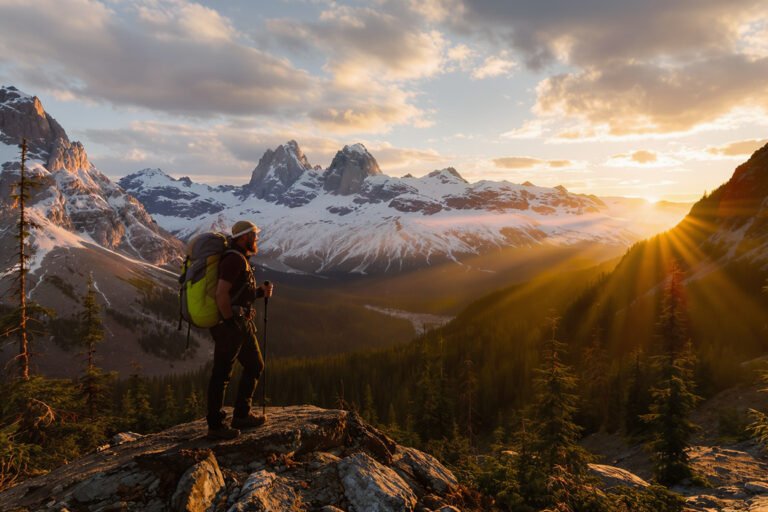
Best Wildflower Hikes in Mount Rainier National Park: Trails, Tips & Peak Bloom
Best Wildflower Hikes in Mount Rainier National Park: Trails, Tips & Peak Bloom
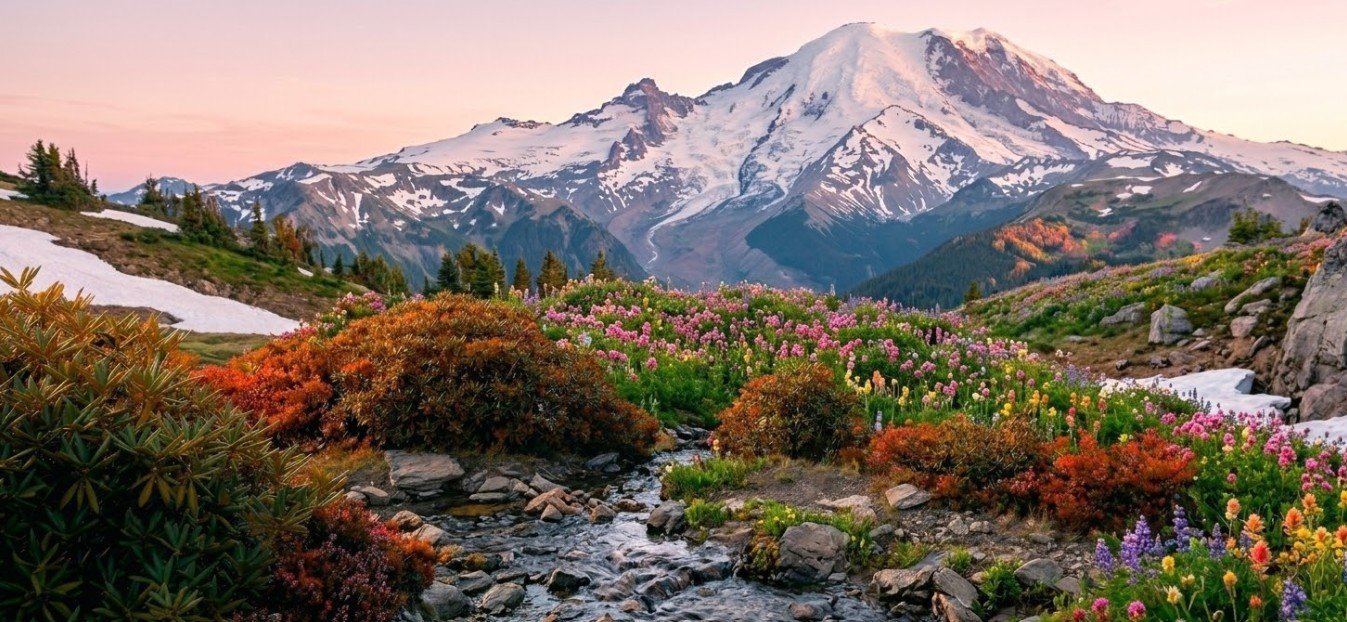
Mount Rainier National Park is a vibrant masterpiece of nature, offering some of the most stunning wildflower displays in the world. Nestled amidst the towering presence of Mount Rainier, these colorful meadows burst into bloom each summer, captivating hikers and nature enthusiasts alike. The best time to witness this floral spectacle is from late July through mid-August, when the subalpine meadows unveil a dazzling array of species and hues.
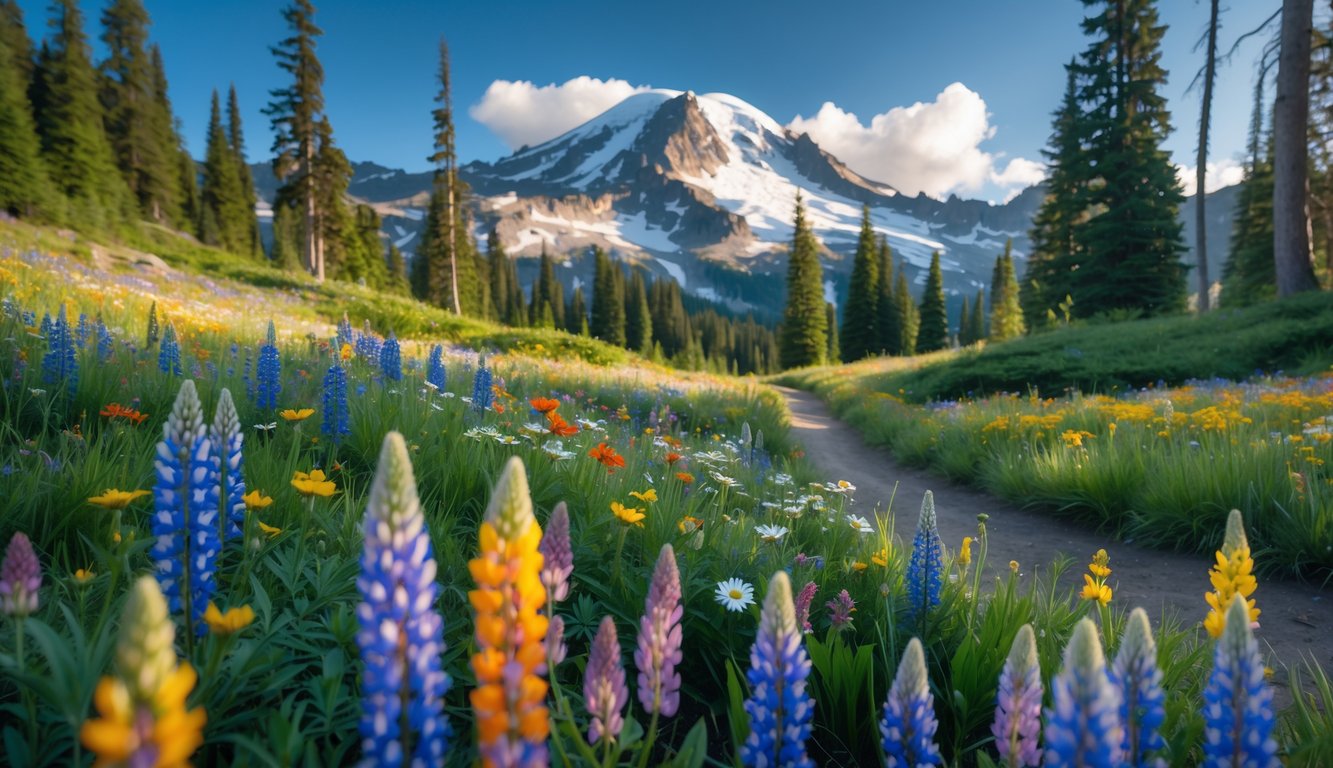
These trails blend scenic beauty with the opportunity to discover diverse wildflower species like Avalanche Lily, Magenta Paintbrush, and Glacier Lily. Hikes at popular spots like Sunrise, Chinook Pass, and Paradise provide breathtaking views of both blossoming flora and the majestic peaks surrounding them. Many of these trails offer easy access from roads, making them perfect for visitors of all hiking abilities.
Embarking on a wildflower hike in Mount Rainier National Park promises an unforgettable adventure filled with enchanting colors and panoramic vistas. Whether exploring the renowned Sunrise Nature Trail or taking in the majestic views at Tipsoo Lake, each trail offers its own unique beauty and allure. As walkers traverse these paths, they are immersed in a vibrant canvas painted by nature’s hand, making every step a delightful exploration.
Essential Wildflower Hiking Tips in Mount Rainier
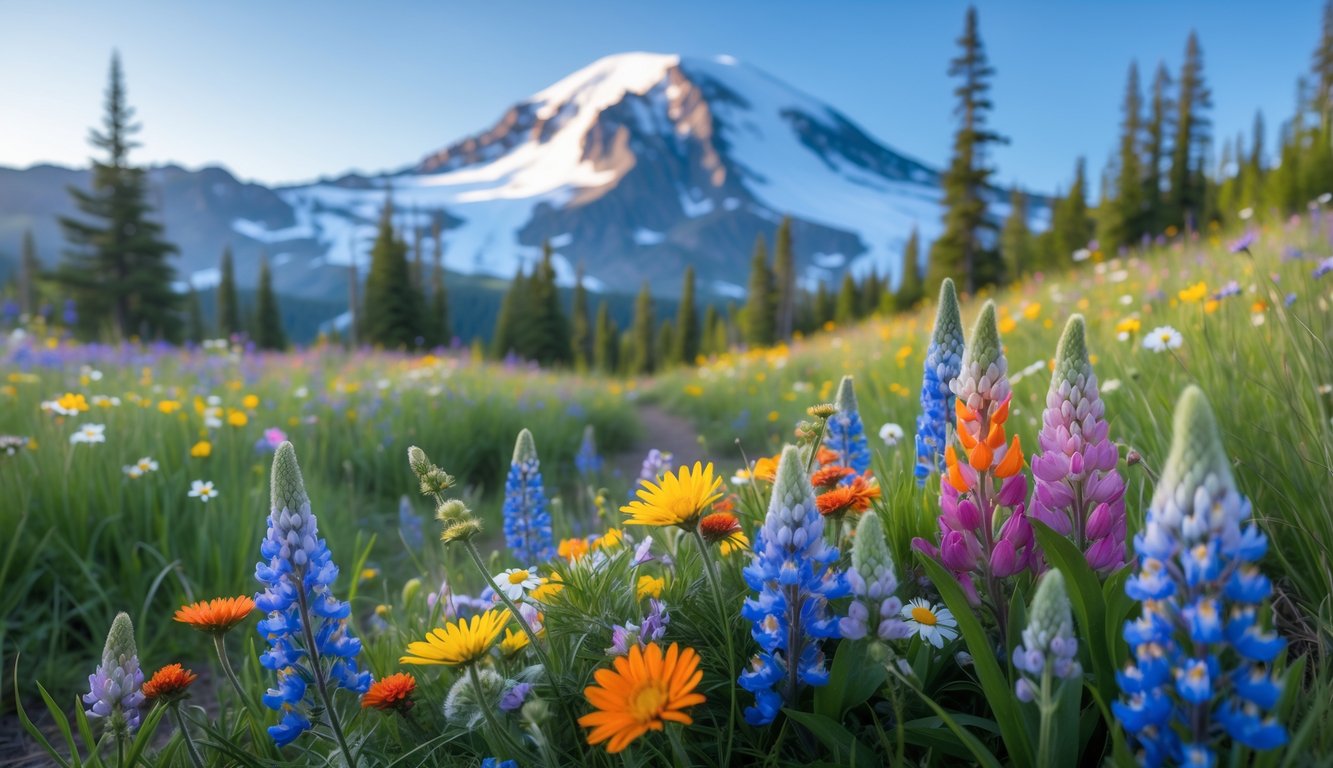
Exploring the wildflower trails of Mount Rainier National Park is a breathtaking experience filled with vibrant blooms and panoramic views. To make the most of this adventure, knowing the best time to visit, preparing appropriately, understanding trail conditions, and following Leave No Trace principles are key.
Best Time to See Wildflowers
The best time to hike and witness the wildflower bloom in Mount Rainier is typically from late July to mid-August. During this period, the park’s meadows explode with colors, creating a spectacular scene. Visitors are encouraged to check the park’s official website for real-time updates on blooming status, as conditions like snowpack and weather can affect the timing. Planning the visit during this specific window ensures a mesmerizing display of nature.
What to Bring for Wildflower Hikes
Packing the right gear is crucial for a successful hike. Sturdy hiking boots are essential for navigating through varied terrain. In addition, hikers should carry a backpack with plenty of water, snacks, sunscreen, and a map of the trails. The unpredictable mountain weather necessitates dressing in layers, including a waterproof jacket. Compact binoculars and a camera can enhance the experience, allowing visitors to capture the beauty and observe wildlife at a distance.
Trail Conditions and Safety
Trail conditions at Mount Rainier can vary; thus, hikers should be prepared for different terrains, from muddy trails to rocky paths. It’s important to stay on marked trails to avoid damaging the sensitive ecosystem. Hikers are encouraged to check for any trail closures or advisories on the park’s website before heading out. Safety is paramount, so hiking in groups, carrying a first-aid kit, and letting someone know your plan and expected return time are wise practices.
Leave No Trace Principles
Respect for nature is vital when hiking in the park. Following the Leave No Trace principles ensures the conservation of this beautiful area. Hikers should pack out all trash, avoid picking wildflowers, and maintain a safe distance from wildlife. Staying on designated paths helps protect the fragile flora and fauna habitats. Visitors are reminded not to disturb natural features or leave any personal marks on the environment. Practicing these principles helps preserve Mount Rainier’s pristine beauty for future generations.
Top Wildflower Hikes in the Paradise Region
In the Paradise Region of Mount Rainier National Park, hikers will discover some of the most breathtaking wildflower hikes. From vibrant meadows to inspiring vistas, each trail offers a unique glimpse of nature’s splendor during peak blooming season.
Skyline Trail and Skyline Loop Trail
The Skyline Trail and the Skyline Loop Trail are two must-visit trails for anyone in the Paradise Region. These trails offer stunning views of the vibrant subalpine meadows, framed by panoramic vistas of the iconic Mount Rainier. Beginning near the Henry M. Jackson Visitor Center, these trails provide hikers with close-up views of Nisqually Glacier and other regional highlights. Adventurers will find themselves surrounded by lush vegetation and a vibrant array of wildflowers, particularly during late July and August. Both trails are popular due to their picturesque landscapes and accessibility. Their combination of wildflower displays and majestic views makes these trails unforgettable for all who traverse them.
Alta Vista Trail and Nisqually Vista Trail
Located conveniently near the Paradise area, the Alta Vista Trail and Nisqually Vista Trail offer a magical hiking experience. Both trails deliver magnificent views and an opportunity to immerse in wildflower meadows without extensive hiking. The Alta Vista Trail treats hikers to elevated vantage points of the Paradise Region’s sprawling vistas, while the Nisqually Vista Trail provides close encounters with the awe-inspiring Nisqually Glacier. These trails are ideal for those seeking a shorter excursion with rewarding views and can be completed in a brief visit. They are perfect for families or those looking for an easy but equally inspiring adventure in nature.
Myrtle Falls and Panorama Point
Myrtle Falls offers a picturesque scene, serving as a gateway to more challenging hikes like Panorama Point. The falls themselves are a quick walk from the trailhead and cascade beautifully in the foreground of Mount Rainier’s towering presence, offering a memorable photo opportunity. Those seeking a more challenging adventure can continue toward Panorama Point. This trail presents one of the region’s best vistas, rewarding hikers with sweeping views of the surrounding Cascade Range. It’s a favored destination for its accessible, yet challenging, climb and offers a sense of accomplishment with its impressive overlook.
Reflection Lakes and Bench and Snow Lakes
Reflection Lakes, positioned along the road from the Paradise Nisqually Entrance, is renowned for its mirror-like surface, which beautifully reflects Mount Rainier and its colorful wildflower backdrop. The nearby Bench and Snow Lakes hike provides an intimate experience with nature, often less crowded than other Paradise trails. This trail navigates through lush forest and open meadows filled with vibrant wildflowers, arriving at two serene alpine lakes. Reflection Lakes’ accessibility and dramatic scenery make it a popular destination, while Bench and Snow Lakes offer tranquility and seclusion for those willing to explore a bit off the beaten path.
Breathtaking Routes in the Sunrise and Chinook Pass Areas
The Sunrise and Chinook Pass areas within Mount Rainier National Park host some of the most picturesque wildflower hikes, offering opportunities to see vibrant blooms, majestic mountain views, and diverse wildlife. Hikers here can experience everything from serene lake views to stunning mountain vistas.
Naches Peak Loop Trail
Naches Peak Loop Trail offers a scenic adventure with remarkable views of Mount Rainier. Located near Tipsoo Lake, this loop trail is about 3.5 miles long. Hikers are treated to a range of colorful wildflowers, especially vivid during the late summer months. The trail is relatively easy, making it a family-friendly option. It’s partially located along the Pacific Crest Trail, enhancing its appeal for those seeking panoramic vistas. As the trail circles Naches Peak, those who embark on this hike can look forward to not only floral displays but also peaceful water reflections at Tipsoo Lake. Wildlife sightings, from marmots to mountain goats, add excitement to the trek.
Sourdough Ridge Trail and Frozen Lake
The Sourdough Ridge Trail is an exhilarating hike that stretches from the Sunrise Visitor Center to Frozen Lake. On this moderate trail, hikers are greeted with awe-inspiring views of Mount Rainier and the surrounding valleys. As the trail meanders along the ridge, vibrant subalpine wildflowers line the path, creating a breathtaking backdrop. Frozen Lake, a serene alpine spot, is a refreshing endpoint. Hikers often continue past the lake to enjoy the panoramic scenery featuring vast hills and mountain ranges. The trail’s elevation offers a different perspective and unique ecological zones compared to lower park areas.
Mount Fremont Lookout Trail and Berkeley Park Trail
The Mount Fremont Lookout Trail provides a thrilling adventure to one of Sunrise’s iconic viewpoints. This trail takes hikers about 5.6 miles out and back, treating them to expansive views over the valleys and peaks. The lookout itself offers stunning sights of distant mountain ranges and valleys. Alongside, the Berkeley Park Trail is a lesser-known gem, filled with diverse blooms and frequent wildlife encounters, including black bears or deer. The two trails together offer a perfect mix of vibrant wildflower displays and breathtaking vistas, making them favorites among seasoned hikers who appreciate both flora and scenic views.
Sunrise Nature Trail and Dege Peak
The Sunrise Nature Trail is an accessible, 1.5-mile loop offering spectacular wildflower meadows right near the Sunrise Visitor Center. This easy trail is ideal for beginners, presenting a burst of colors from various wildflower species. It provides an immersive experience among the blooms, all with a stunning backdrop of Mount Rainier. Meanwhile, the hike to Dege Peak from the Sourdough Ridge Trail offers a more challenging ascent. This hike rewards adventurers with panoramic views from the peak, an ideal spot for witnessing sunrises or sunsets. It’s a perfect opportunity for hikers to capture breathtaking photographs and enjoy solitude away from busier trails.
Wildflower Adventures in Mowich Lake and Carbon River
Embark on remarkable journeys through lush landscapes teeming with vibrant wildflowers at Mowich Lake and along the Carbon River. Each trail offers unique sights, including panoramic views from high altitudes and serene lake surroundings.
Spray Park Trail and Spray Park
Nestled in the Mount Rainier National Park, the Spray Park Trail offers hikers mesmerizing views of meadows blanketed with colorful wildflowers. Starting from nearby Mowich Lake, the 6.5-mile trek is renowned for fields bursting with lupines, asters, and paintbrushes in peak summer. The trail ascends through dense forests. It eventually opens to the sprawling meadows of Spray Park. Seasonal glassy tarns reflect the surrounding peaks, adding to the landscape’s beauty.
Hikers often enjoy glimpses of wildlife, from marmots to elk, thriving within this vibrant ecosystem. With its captivating scenery and a variety of floral displays, Spray Park stands out as a favorite destination for nature enthusiasts and photographers alike.
Tolmie Peak Trail and Eunice Lake
The journey to Tolmie Peak offers a picturesque adventure that leads you to the stunning Eunice Lake and its reflective waters guarding the trail’s secrets. This route winds through lush forest before opening to breathtaking alpine meadows adorned with wild blueberries and other native flowers. Upon reaching Eunice Lake, hikers are treated to reflections of Tolmie Peak’s rugged heights.
The trail culminates at the Tolmie Peak Lookout, a historic fire lookout with panoramic views of Mount Rainier and the surrounding wilderness. The awe-inspiring vista and the floral bounty make the 5.6-mile round trip a rewarding exploration for adventure seekers.
Wonderland Trail Segments
Stretching over 93 miles around Mount Rainier, the Wonderland Trail offers segments bursting with wildflowers near the Carbon River area. As hikers traverse these sections, they encounter diverse flora and fauna thriving in various ecosystems. The trail weaves through verdant valleys, over babbling streams, and across rocky ridges, showcasing the splendor of seasonal blooms.
Wildflower enthusiasts can enjoy the vibrant displays around the White River Campground. During the hike, explore smaller tributaries providing vital habitats for hardy plant varieties. The varied landscape ensures that every step rewards with visual delights and a connection to nature’s cycles.
Carbon River Trails
The Carbon River region offers unique hiking trails that lead explorers through old-growth forests and up to glacial landscapes. Despite being affected by seasonal and permanent closures, the Carbon River Trails host an array of wildflowers, including columbines and trilliums in the underbrush.
One notable feature is the Carbon Glacier, the lowest-elevation glacier in the contiguous United States, sitting amidst this vibrant growth. Hikers along this route can immerse themselves in the complex ecosystems of both flora and glacial formations. The serene ambiance and intricate beauty of these trails provide an enchanting experience for those seeking tranquility and a strong connection with the natural world.
Colorful Meadows and Unique Wildflowers to Discover
Mount Rainier National Park is a vibrant display of nature’s beauty, with its meadows offering an array of wildflowers that paint the landscape in striking colors. Known for its subalpine and alpine zones, the park provides unique opportunities for both viewing and photographing numerous wildflower species against breathtaking mountain backdrops.
Subalpine and Alpine Meadows
In the subalpine and alpine meadows of Mount Rainier, visitors are greeted by a spectacular range of colors. These meadows, located between 4,500 and 6,000 feet, lie between the dense forests below and the treeless alpine regions above. As the snow melts, a riot of wildflowers such as lupine, bear grass, and avalanche lilies transform the scenery. The short growing season means flowers must bloom quickly, resulting in dense and vivid displays. Popular meadows at the park include areas near Paradise and Sunrise, each offering a unique botanical experience. The meadows also provide an invitation for wildlife viewing, with sightings of deer and occasional black bears.
Highlight Wildflower Species
A visit to these meadows reveals a rich diversity of wildflower species. Among the many blooms, the Indian paintbrush stands out with its vivid red and pink hues. Glacier lilies add a bright touch of yellow to the landscape, while the avalanche lilies grace the meadows with their striking white petals. Other notable species include the tall lupine, known for its purple spikes, and the bear grass, which forms spherical clusters of small, white flowers. These flowers contribute to a dynamic ecosystem, which adjusts beautifully as summer transitions into fall.
Scenic Mountain Views and Photography Spots
Not only are the wildflowers an attraction, but the mountain views also offer incredible photographic opportunities. Peaks like Mount Adams, Mount Baker, and Mount St. Helens provide stunning backdrops that enhance the floral foregrounds. Particularly at locations such as Tipsoo Lake and the high-elevation meadows near Mount Hood, photographers can capture magnificent compositions. Sunrise and sunset add magic to these landscapes, illuminating the wildflowers and peaks in warm, golden hues. Visitors are encouraged to explore iconic trails like Skyline for the best vantage points to capture the essence of Mount Rainier’s wildflower season.
Planning an Unforgettable Wildflower Hiking Trip
To make the most out of a wildflower hiking adventure in Mount Rainier National Park, it’s essential to plan with careful attention to trailhead logistics, consider multi-day journeys, and select trails that offer accessibility for families and beginners alike.
Trailhead Access and Logistics
Reaching the starting points of popular hikes is crucial for a smooth experience. Many trailheads, such as those at Paradise and Sunrise, are accessible via Stevens Canyon Road and can be busy, especially during peak bloom periods from mid-July to August. For those looking to explore more remote areas like the Pinnacle Peak Trail, starting at Longmire provides an awe-inspiring backdrop. Travelers need to consider parking availability, which can be limited. Public transportation options are sparse, so arriving early or considering carpooling can help reduce stress. Maps and GPS devices are recommended to navigate the winding roads to trailheads efficiently.
Backpacking and Multi-Day Wildflower Hikes
For those inclined towards backpacking, the park offers trails with picturesque vistas suitable for multi-day hikes. Camp Muir is an ideal destination for experienced adventurers seeking both wildflower meadows and breathtaking mountain views. Trails such as Ohanapecosh offer an immersive experience amidst dense forests and varied flora, perfect for camping under a starry night sky. Permits are required for overnight camping, and advanced reservations are often necessary. Backpacking essentials include layered clothing, ample water, and trail maps. Exploring these trails over several days provides an unparalleled opportunity to witness nature’s beauty up close and away from bustling crowds.
Family-Friendly and Accessible Trails
For families and those seeking accessible options, Mount Rainier offers a variety of trails with manageable inclines and remarkable scenery. The Nisqually Vista Trail is one such path, showcasing the stunning glacier views while being gentle enough for young children. The Grove of the Patriarchs Trail near Ohanapecosh is another excellent choice, where towering ancient trees provide a magical backdrop to the colorful wildflower displays. Ensuring the trails are safe and suitable for all ages involves preparing with the proper gear, including sunscreen, snacks, and ample hydration. These trails offer memorable experiences without the demanding physical exertion required by the more strenuous hikes.