
Best Wildflower Hikes in Rocky Mountain National Park: Top Trails and Stunning Blooms
Rocky Mountain National Park is a dazzling display of natural beauty, where the vibrant colors of wildflowers light up the landscape. For those enchanted by the sight of blooming flora, the park offers some of the best wildflower hikes in the United States. Visitors can explore a variety of terrains, from lush meadows to high alpine tundra, making each trail a unique adventure.
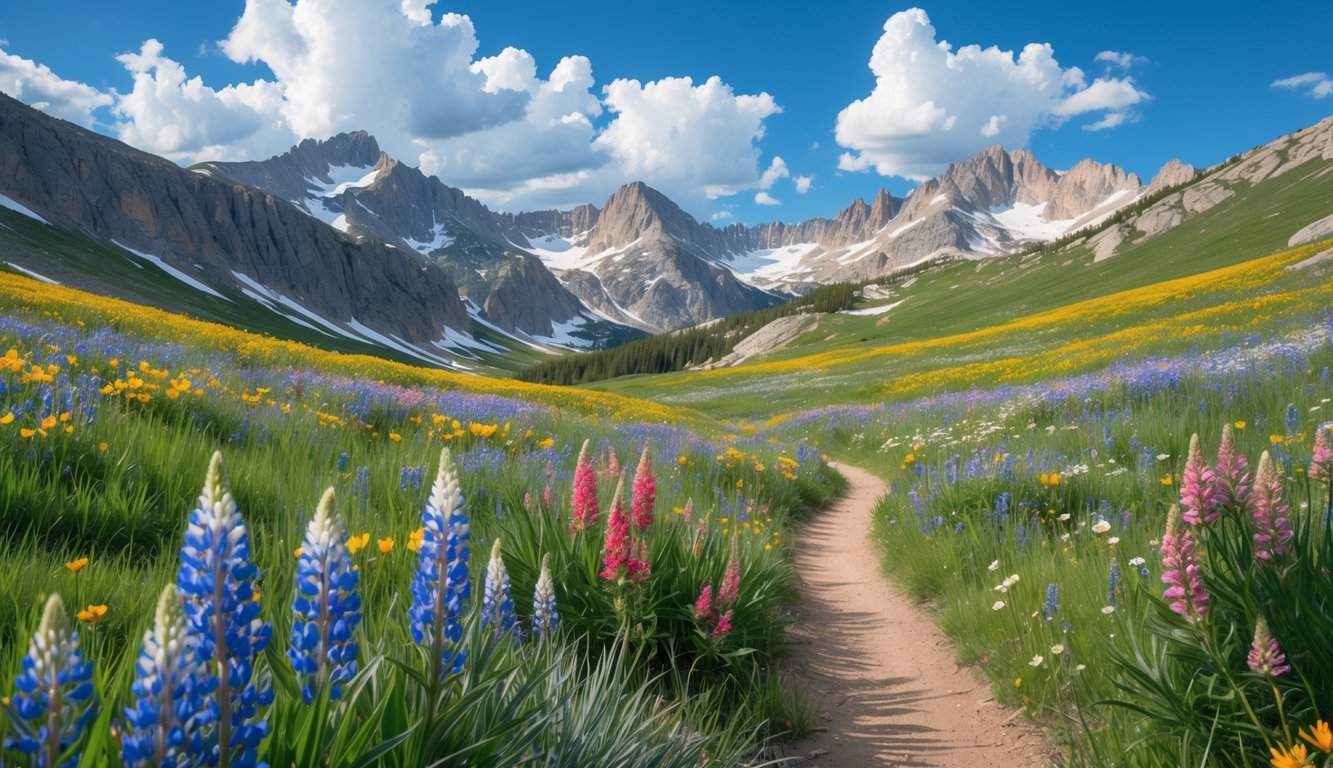
Spring and summer transform RMNP into a wildflower paradise, with trails like Gem Lake offering stunning views that captivate hikers and nature enthusiasts alike. The diversity of wildflower species paints a picturesque scene across the park’s numerous paths, inviting all to experience the wonder of nature’s artistry.
For those looking to immerse themselves in this floral spectacle, Rocky Mountain National Park is the ideal destination. Trails like Hutcheson, Cony, Pipit, and Bluebird Lakes Hike provide breathtaking vistas and meadows brimming with vibrant blooms. With trails for all experience levels, every visitor finds the perfect blend of adventure and serenity in this wildflower wonderland.
Top Wildflower Trails in Rocky Mountain National Park
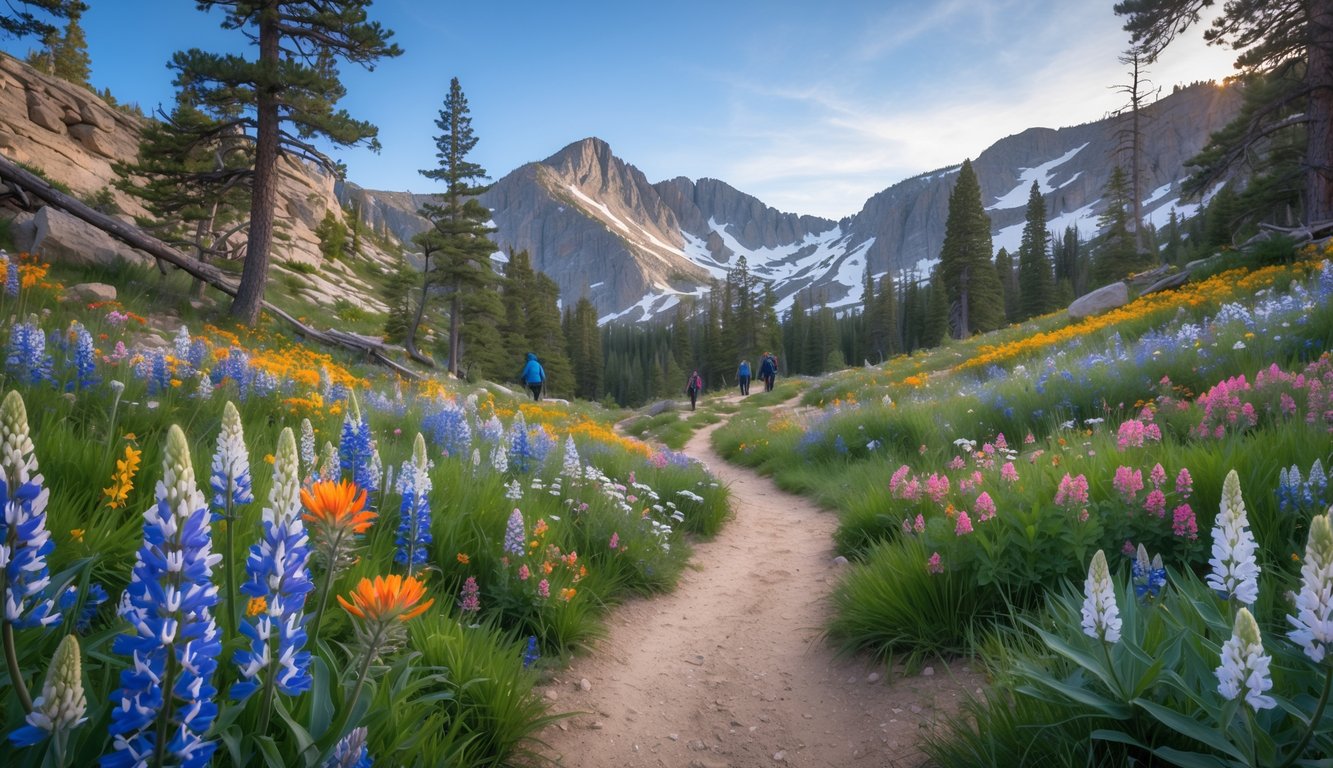
Rocky Mountain National Park is a floral paradise in the right season, offering hikers a chance to experience breathtaking landscapes filled with a variety of wildflowers. Some of the most stunning trails include opportunities to see vibrant blooms set against the park’s majestic peaks and pristine lakes.
Nymph Lake and Dream Lake
Located near Bear Lake, the trail to Nymph Lake is an easy half-mile route perfect for beginners. Surrounded by lush greenery, the lake is known for its yellow-colored pond lilies. For those wishing to extend their hike, continuing to Dream Lake provides even more stunning views. As you ascend towards Dream Lake, take in the undeniable vista of Hallett Peak and the abundant wildflowers that line the path. This trail typically offers peak blooming around late May through July, providing ample opportunities to capture the beauty of the Rocky Mountain National Park.
Cub Lake Trail
Cub Lake Trail presents a moderately challenging hike rich with natural beauty. Spanning about 6.1 miles, this loop trail features diverse wildflower species such as bee palm and wintergreen. Not only do hikers get to enjoy colorful blooms, but the path also offers panoramic views of mountains and a pristine lake setting. Peak blooming occurs from late May to July, making it an ideal time to visit. Cub Lake is especially popular for its wide variety of wildflower species, providing a vibrant and immersive experience for nature lovers.
Ute Trail
Offering spectacular scenic views, Ute Trail is ideal for all skill levels. This 5.6-mile out-and-back trail includes vistas of surrounding mountains and unique alpine wildflowers. Expect to see Snowlover blooms along the ridges where patches of snow linger well into warmer months. Peak blooming is best observed from late May to July, offering visitors a stunning display of nature’s resilience and beauty. Starting at the Alpine Visitor Center provides the most direct route to this awe-inspiring hike. The Ute Trail’s serene atmosphere makes it a must-see for visitors to RMNP.
East Inlet Trail
On the west side of Rocky Mountain National Park, the East Inlet Trail offers quieter, less-traveled paths that reward hikers with striking wildflower displays. With options for a shorter 3-mile hike or a longer journey up to 15 miles, this trail caters to varying stamina levels. The East Inlet features a cascading waterfall, adding to its natural allure. Hikers can enjoy blooming wildflowers accompanied by the soothing sounds of the waterfall. For those seeking solitude and vibrant floral landscapes, this trail offers a unique escape within the Rocky Mountains.
Iconic Wildflower Viewing Areas
Rocky Mountain National Park is renowned for its breathtaking wildflower displays. Visitors can explore various trails that showcase a vivid tapestry of colors, particularly during the spring and summer months. This guide highlights some key areas where wildflowers flourish, allowing nature enthusiasts to immerse themselves in the park’s natural beauty.
Wild Basin Meadows
Wild Basin Meadows offers a less-traveled path for those seeking tranquility amid nature’s vibrant palette. This area blossoms with a variety of wildflowers like columbines, daisies, and Indian paintbrush. The trail is ideal for photographers and nature lovers who want to capture the essence of Colorado’s natural beauty. Away from crowded paths, Wild Basin provides an intimate experience with the wilderness. Here, the meadows roll into the distance, painting a serene picture that captivates the heart. Hikers often start their journey at the Wild Basin Trailhead, making their way through lush landscapes adorned with seasonal blooms that provide a perfect backdrop for memorable hikes.
Tombstone Ridge
Tombstone Ridge captivates visitors with its stunning vistas and diverse range of wildflowers. Situated at a higher elevation, the area is accessible via a moderate hike that rewards adventurers with sweeping views. As you ascend, the trail is flanked by vibrant flora, including the elegant columbines, which pop against the rugged mountain terrain. The Ridge’s panoramic views allow hikers to pause and admire the seamless blend of wildflower beauty and the surrounding landscape. Tombstone Ridge is not only a photographer’s dream but also a haven for those seeking a reflective and invigorating outdoor experience.
Wild Basin Trailhead
The Wild Basin Trailhead serves as the gateway to some of the park’s most magnificent wildflower displays. Starting here, visitors can explore trails leading to Copeland Falls and Calypso Cascades, where the waterfalls add a refreshing touch to the vibrant surroundings. The path is lined with wildflowers that create a spectacular display of color and fragrance. From here, the trail meanders through shaded forests and open meadows, offering both serenity and grandeur in equal measure. Its accessibility and diverse flora make it a beloved destination for both novice and seasoned hikers eager to witness the seasonal blossoming of the park’s floral wonders.
Hidden Valley and Horseshoe Park
Hidden Valley and Horseshoe Park are two interconnected gems within Rocky Mountain National Park that are must-visit for wildflower enthusiasts. In Hidden Valley, visitors can explore shaded trails where delicate flowers such as the calypso orchid bloom in secluded spots. The journey is both peaceful and visually rewarding, with numerous wildflower species adding to the allure. At Horseshoe Park, hikers are greeted by expansive meadows dotted with colorful wildflowers that thrive in the shadows of the park’s stunning peaks. The area is home to poplar trees and an abundance of floral species, offering a rich sensory experience that is hard to match. Both areas promise unforgettable encounters with nature’s vibrant artistry.
Alpine Wildflower Adventures
Experience the breathtaking splendor of alpine wildflowers in Rocky Mountain National Park. Visitors will encounter various trails, each offering unique florals and panoramic views. Explore the varied terrains and discover the stunning colors of flowers such as Alpine avens and Snowlover.
Trail Ridge Road and Alpine Visitor Center
Trail Ridge Road winds its way up to an elevation of over 12,000 feet, offering travelers unforgettable views and a chance to see hearty alpine species. At the Alpine Visitor Center, visitors can start their alpine adventure with a stop to gather information and enjoy the area. Known for its plentiful wildflowers, the road showcases resilient blossoms like Alpine avens that thrive in cooler temperatures. Hikers and nature lovers will appreciate the diversity of the alpine environment, as well as the chance to witness wildlife in its natural habitat. Make sure to check road conditions, as this high-altitude route may experience seasonal closures.
Milner Pass
Located on Trail Ridge Road, Milner Pass is another highlight where visitors can marvel at the surrounding beauty. The pass allows explorers to hike through lush meadows adorned with flowers. Snow patches often linger here, providing an opportunity to spot Snowlover plants flourishing amidst the rugged terrain. Additionally, photographers and flower enthusiasts alike will find Milner Pass a haven for capturing vibrant alpine blooms against stunning mountain backdrops. Whether trekking through fields of color or simply savoring the views from the road, this area is rewarding for those seeking a truly wildflower-filled experience.
Tundra Nature Trail
Venturing along the Tundra Nature Trail, hikers are greeted by a colorful array of alpine wildflowers such as forget-me-nots and Indian paintbrush. This easy 0.5-mile out and back trail is accessible from Trail Ridge Road, offering incredible scenery and an up-close look at the unique ecosystem of the alpine tundra. The trail winds gently through a landscape shaped by harsh winds and snow. Despite these conditions, the flora manages to captivate visitors with its persistence and beauty. The trail also provides interpretive signs, guiding hikers through this enchanting high-altitude wonderland while sharing information about the area’s ecology.
Spectacular Waterfall and Lakeside Hikes
For those seeking the thrilling sights of waterfalls and serene lakes, Rocky Mountain National Park offers some enchanting trails. Alberta Falls and the paths leading to Copeland Falls and Calypso Cascades present unforgettable vistas and a mix of serenity and awe-inspiring natural beauty.
Alberta Falls
Set out on a captivating journey to Alberta Falls, one of the most popular waterfall hikes in the park. Located on a well-traveled trail starting from the Glacier Gorge Junction, this route is marked by a series of gentle inclines for a mild trekking experience. Along the 1.6-mile round trip, hikers are treated to stunning cliffside views and the soothing presence of rushing water. With Alberta Falls plunging 30 feet down into a boulder-strewn gorge, this spot is perfect for photography or a peaceful rest amid the lush surroundings. The trail is also beautifully adorned with wildflowers, especially during late spring and early summer. It’s an accessible adventure appealing to families and casual hikers alike.
Copeland Falls and Calypso Cascades
Wander to the awe-inspiring Copeland Falls and Calypso Cascades within the Wild Basin area. Beginning at the Wild Basin Trailhead, hikers embark on a moderate trek through a dense, aromatic pine forest. This 4-mile round trip first greets hikers with the tranquil ambiance of Copeland Falls, ideal for those who appreciate the calmer side of nature. Continuing onward, the trail leads to Calypso Cascades, where water gracefully dances down the rocks in a mesmerizing series of cascades. This captivating scene, combined with the trail’s varied terrain and occasional wildlife sightings, makes the hike a compelling option for those looking to immerse themselves in the park’s multifaceted beauty.
Rocky Mountain Wildflowers: Species to Spot
In the heart of the Rockies, the vibrant blooms of wildflowers are a sight to behold. From the striking hues of columbines to the resilient alpine avens, exploring these floral treasures is a must for any nature enthusiast. High-altitude blooms reveal the park’s botanical diversity, adding a splash of color to the rugged landscape.
Columbines and Indian Paintbrush
The enchanting columbine, Colorado’s state flower, dazzles with its distinctive white and lavender petals. Found in the meadows and woodland edges of the Rockies, these flowers are a favorite among visitors. Meanwhile, the Indian paintbrush adds a bold splash of red or orange, often seen dotting grasslands and slopes. This flower thrives in a range of elevations, actively attracting hummingbirds and butterflies. Visitors strolling through the trails of Rocky Mountain National Park during late spring can witness these flowers in full bloom, creating picturesque scenes perfect for photography. Keep an eye out for columbines near moist areas and shady corners, while the sunny patches are adorned with the vibrant Indian paintbrush.
Alpine Avens and Snowlover
High above the tree line, the rugged terrain is home to alpine avens. These flowers, with their bright yellow blooms, stand resilient against harsh conditions. Often found in rock crevices and tundra landscapes, alpine avens thrive in cooler climates, offering a golden hue against the backdrop of snow-capped peaks. Another intriguing species seen at such elevations is the snowlover, a dainty white flower adept at surviving in patches of persistent snow. Hikers traversing the Tundra Nature Trail can witness these blooms emerging bravely at elevations of over 12,000 feet. Their ability to blossom in such extreme conditions highlights the incredible adaptability of Rocky Mountain wildflowers.
High-Altitude Blooms
The high-altitude regions of Rocky Mountain National Park showcase a wealth of floral diversity. Here, the hardy bluebell and forget-me-not add vibrant splashes of color to the alpine landscape. These plants have evolved to withstand the short growing seasons and cold temperatures typical of elevated zones. Come summer, resilient species such as these dot the landscape, with their petals unfurling to take advantage of the fleeting warmth. Hikers venturing up Trail Ridge Road or Longs Peak will come across a variety of high-altitude blooms, each offering a unique glimpse into the adaptability and beauty of nature. This realm of high-altitude flora is a testament to the survival of beauty against all odds.
Hiking Tips and Planning the Perfect Wildflower Adventure
Embarking on a wildflower hike in Rocky Mountain National Park is a thrilling experience, offering breathtaking views of vibrant blooms against majestic mountain backdrops. To make the most of this outdoor adventure, it’s essential to plan carefully and stay informed about key aspects like timing your visit, conservation, and safety.
Best Time to Visit
Visiting the park during peak bloom time ensures seeing the most vibrant displays of wildflowers. Rocky Mountain National Park (RMNP) offers diverse elevations, each with different peak seasons. Montane areas begin to bloom from late May to July, while alpine regions, like those accessible from the Tundra Nature Trail, peak from mid-July to early August. Checking the blooming schedules and the weather forecasts can help in selecting the ideal days. Early mornings and late afternoons often provide the best light for photography, capturing the full glory of wildflowers. Planning ahead and arriving early also helps avoid the largest crowds.
Leave No Trace and Conservation
Respecting nature is crucial, especially in popular areas like RMNP. Observing the Leave No Trace principles ensures the preservation of the park’s natural beauty. Hikers are encouraged to stay on designated trails to protect fragile plants and avoid trampling wildflower areas. Picking flowers or disturbing wildlife can harm sensitive ecosystems. Pack out all trash, even biodegradable items like fruit peels, to maintain the pristine environment. RMNP is a treasure of ecological diversity, and following these conservation practices helps sustain it for future wildflower enthusiasts.
Safety and Altitude Awareness
Given the varying altitudes in RMNP, it’s vital to be prepared for high-elevation hiking. The park’s elevation can lead to altitude sickness, especially in trails like the Ute Trail. Hydrating well before and during hikes, eating light meals, and acclimating gradually can help mitigate symptoms. Always carry a map and know your route since cell service can be unreliable. Dressing in layers and packing weather-appropriate gear is important, as weather in the mountains can change rapidly. By preparing properly, hikers can safely enjoy the stunning vistas and wildflower displays without discomfort.