
Spring Wildflower Hiking in Organ Mountains–Desert Peaks National Monument: Guide to Trails & Blooms
Spring Wildflower Hiking in Organ Mountains–Desert Peaks National Monument: Guide to Trails & Blooms
Springtime in the Organ Mountains-Desert Peaks National Monument is a hiker’s paradise. The vibrant wildflowers bloom in a stunning display of color against the backdrop of jagged peaks and expansive desert landscapes. As the weather warms, nature enthusiasts and adventurers flock to this area to witness the natural spectacle.
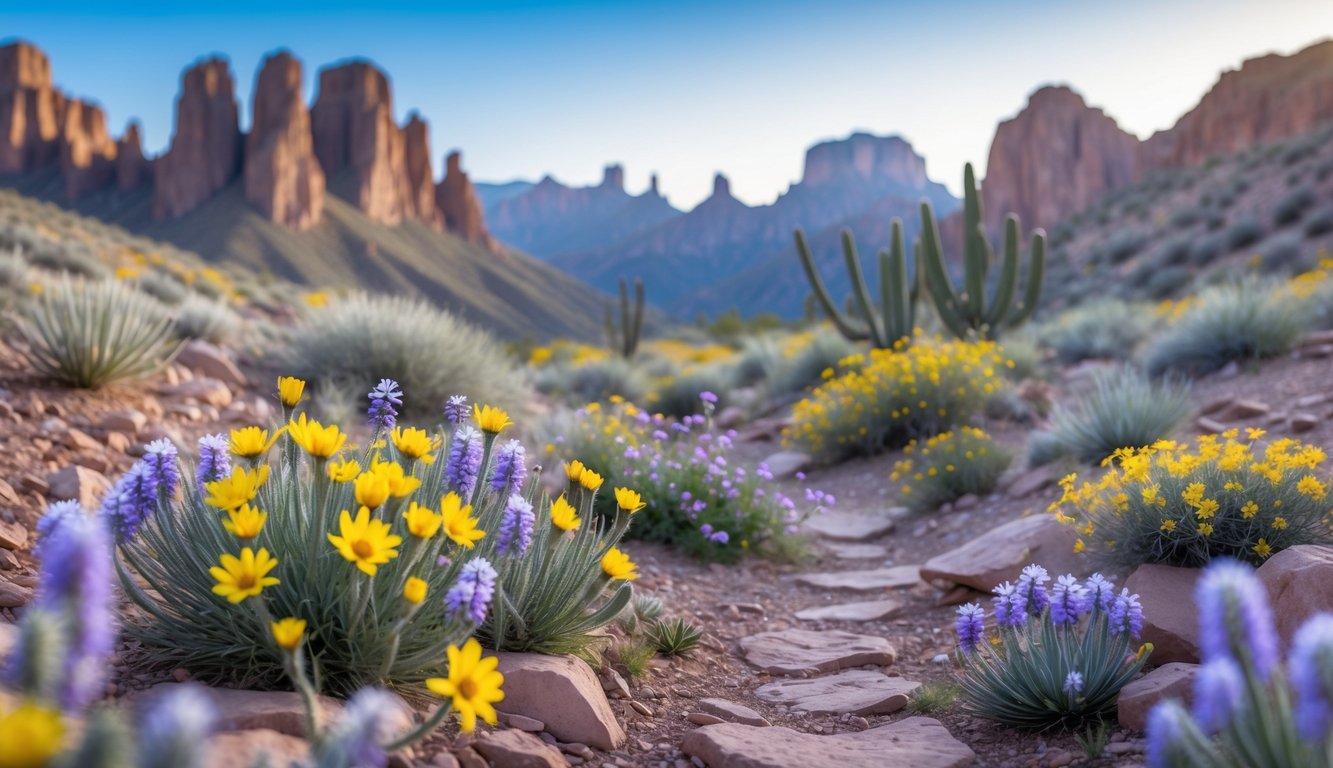
The Dripping Springs Trail is a popular choice for spring wildflower hikes, offering breathtaking views of the Organ Mountains. Along this trail, hikers can enjoy the diverse array of flowers and fascinating historical remnants. Visitors are rewarded with a serene experience surrounded by nature’s vibrant beauty.
This national monument, located near Las Cruces, New Mexico, spans over 496,330 acres and is a protected area rich in geological and biological treasures. It includes not only the Organ Mountains but also the Desert Peaks, Potrillo Mountains, and Doña Ana Mountains. The mixture of rugged peaks and colorful blooms creates a setting that captivates explorers of all ages.
Spring Wildflowers in the Organ Mountains–Desert Peaks
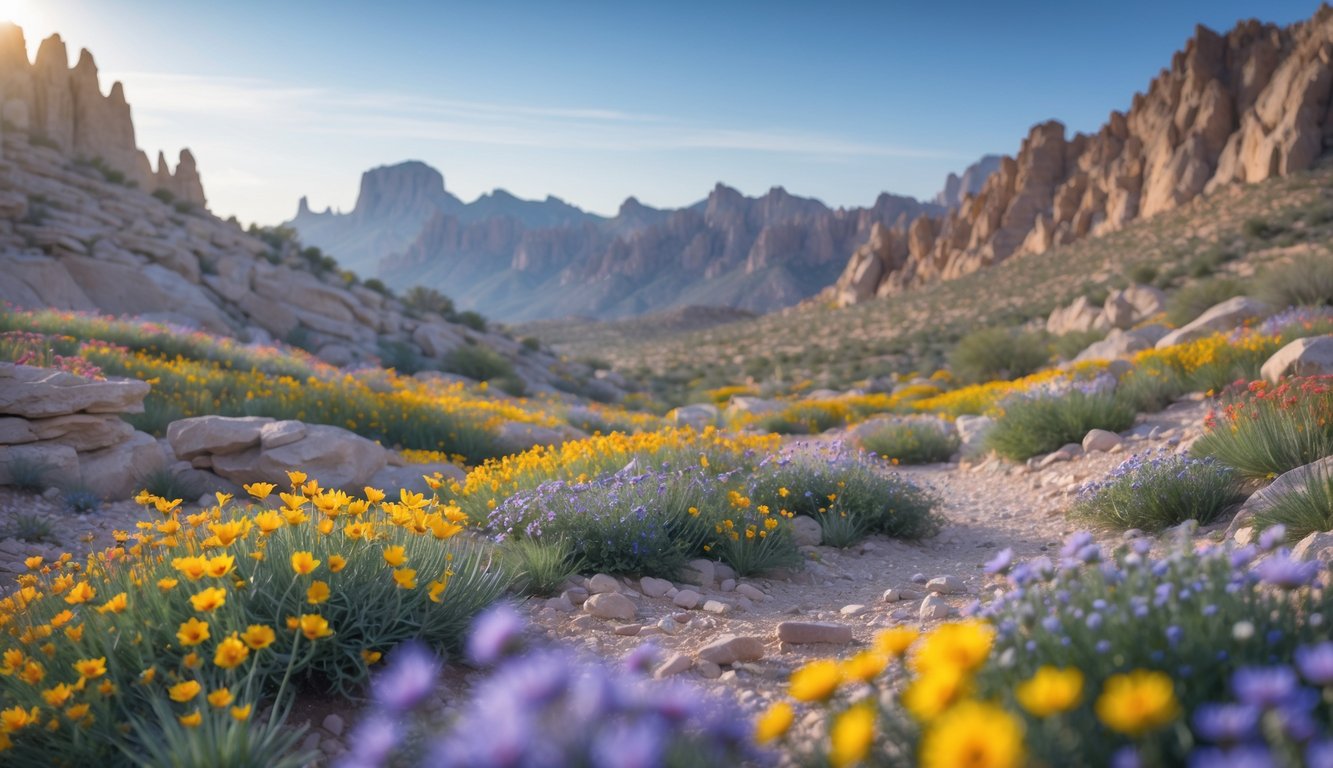
The Organ Mountains–Desert Peaks National Monument is a breathtakingly diverse habitat, showcasing a rich tapestry of wildflowers each spring. As the season unfolds, visitors can experience the vivid colors and unique species of this biologically rich region.
Seasonal Wildflower Highlights
Spring in the Organ Mountains is a vibrant display of natural beauty. From March to April, areas like Baylor Canyon Pass are adorned with bright blooms, particularly following a wet winter. Hikers are treated to a riot of color, including Mexican poppies, whose vivid oranges stand out against the desert backdrop. The region is also alive with yellow evening primroses and an array of other wildflowers. This seasonal bloom not only delights the senses but also supports local wildlife, contributing to the area’s biologic resources.
Habitats and Bloom Zones
The Organ Mountains are part of the vast Chihuahuan Desert. This environment encompasses diverse habitats ranging from rocky spires to gently sloping alluvial fans. The variety in elevation and terrain creates unique bloom zones, each supporting different wildflower species. The bajadas, for instance, are home to clusters of sotol and yucca, interspersed with hidden wildflower gems. Areas like the Dripping Springs Trail present breathtaking views and diverse floral displays, inviting plant enthusiasts to explore these richly varied environments.
Photographing Wildflowers
Capturing the beauty of wildflowers in the Organ Mountains requires both timing and technique. Early mornings offer the best light and the added advantage of cooler temperatures. Photographers flock to this area to snap shots of expansive poppy fields on the western slopes. With the stunning Organ Mountains as a backdrop, even amateurs can capture striking images. A balance of close-up shots and wide-angle captures allows photographers to share the intricate details and grandeur of this desert landscape.
Rare and Endemic Species
Among the wildflowers, certain rare and endemic species demand special attention. The Organ Mountains are home to unique flora that have adapted to the arid environment of the Chihuahuan Desert. While flowers such as the delphinium are found throughout the area, there are others that only bloom in select microclimates. Protecting these biologic resources is crucial for maintaining the ecological integrity of the region. Discovery of these rare species adds a layer of excitement for botanists and casual visitors alike, making every hike a potential treasure hunt in this magnificent desert park.
Best Spring Hiking Trails for Wildflower Viewing
Spring transforms the Organ Mountains–Desert Peaks National Monument into a vibrant garden teeming with wildflowers and scenic landscapes. This section highlights some of the best trails for experiencing these natural wonders, including Dripping Springs, Bar Canyon, Soledad Canyon, Baylor Pass, and the Pine Tree Trail.
Dripping Springs Trail Experience
Dripping Springs Trail offers an incredible blend of history and beauty, making it a perfect spot for wildflower enthusiasts in the springtime. The trail is easily accessible and provides a relatively simple hike of approximately 3 miles round-trip. As hikers navigate through the trail, they will be greeted by blooming desert marigolds, vivid poppies, and clusters of penstemons.
Along the trail, remnants of historic buildings from an old resort and sanatorium add intrigue to the journey. The contrast between these manmade structures and the profusion of natural colors creates a unique visual tapestry.
Bar Canyon and Soledad Canyon Blooms
Bar Canyon and the adjacent Soledad Canyon offer striking landscapes that are particularly breathtaking during the spring months. A moderate, 3.5-mile loop trail leads through rolling hills and scenic vistas, interspersed with seasonal streams that nurture a wide variety of wildflowers.
The desert floor bursts with primroses, globe mallows, and bluebonnets, captivating visitors with their vivid hues. Walkers will find themselves immersed in elegant views of canyon walls and flourishing plant life. The tranquility of the canyon is occasionally punctuated by the cheerful chirping of the local bird species, adding a calming soundtrack to the adventure.
Baylor Pass Trail Adventures
For those seeking a more challenging hike, the Baylor Pass Trail offers a rewarding adventure filled with natural beauty. Stretching about 6 miles one way, this trail connects the western and eastern sides of the Organ Mountains, passing over scenic ridges and rugged terrain.
During the spring, the trail showcases areas densely packed with mariposa lilies and hummingbird trumpets. As hikers reach higher elevations, they are treated to panoramic views of the surrounding landscape, dominated by the impressive Organ Needle towering above.
Pine Tree Trail Journey
The Pine Tree Trail, nestled in the Aguirre Springs area, provides a charming loop of around 4 miles, suitable for hikers of varying skill levels. This family-friendly trail winds through thick groves of pine and juniper which frame expansive views of the valley below.
Springtime embellishes the trail with a colorful array of Indian paintbrush and firecracker penstemon. These vivid blooms are set against the backdrop of towering limestone cliffs. Throughout the hike, visitors can enjoy numerous rest spots ideal for picnics while soaking in the natural beauty. The trail’s combination of gentle slopes and wildflower displays make it a delightful outing for both seasoned hikers and newcomers.
Geography and Nature of the Monument
Organ Mountains–Desert Peaks National Monument boasts a rich tapestry of landscapes, from the rugged granite spires and volcanic formations to the lush open woodlands and narrow canyons. These diverse natural features make it a paradise for hiking enthusiasts and nature lovers alike.
Dramatic Spires and Peaks
The Organ Mountains are renowned for their dramatic rocky spires that rise majestically above the Chihuahuan Desert. These sharp granite formations create a striking silhouette against the sky, offering breathtaking views and challenging trails for hikers. The Doña Ana Mountains and Robledo Mountains also contribute to this awe-inspiring scenery. Within these ranges, hikers can discover hidden alcoves and viewpoints, each offering a unique perspective on the monument’s exceptional landscape. The sheer beauty and vigorous terrain of these peaks beckon adventurers seeking both solitude and magnificent vistas.
Volcanic and Desert Landscapes
This monument features impressive volcanic landscapes that include cinder cones, lava flows, and even craters, notably in the remote Potrillo Mountains. The intricate patterns left by ancient volcanic activity can be explored on foot, revealing nature’s raw power and beauty. The Sierra de las Uvas offers a rugged desert terrain filled with fascinating geological formations. These areas are a testament to the region’s volcanic past, with textures and formations that captivate geologists and photographers alike. The varied terrain of Desert Peaks further showcases the rich desert environment, dotted with native flora and fauna that thrive in this arid climate.
Narrow Canyons and Open Woodlands
Beyond its peaks, the monument transitions into narrow canyons and expansive open woodlands, providing a contrasting landscape for hikers. As elevation increases, the terrain changes, moving from desert scrub to lush areas where ponderosa pines grow. These woodlands offer a haven of shade and tranquility within the otherwise harsh desert environment. The narrow canyons found in places like the Robledo Mountains invite exploration, where unique rock formations and diverse ecosystems are protected. This blend of habitats supports diverse plant and animal life, drawing nature enthusiasts eager to witness the vibrant biodiversity hidden within these stark, serene landscapes.
Outdoor Activities and Recreation Opportunities
The Organ Mountains–Desert Peaks National Monument is a vibrant destination for adventure seekers. From thrilling mountain biking routes to tranquil wildlife viewing spots, it offers a varied range of activities. Visitors can also enjoy rock climbing challenges or serene horseback riding excursions.
Mountain Biking and Horseback Riding
Adventurers will find an exhilarating experience on the mountain biking trails. With paths winding through rugged terrain, these trails cater to a variety of skill levels. Picacho Peak stands out as a popular spot, offering challenging climbs and rewarding views. Pedestrian and equestrian trails are also available, creating an inviting environment for horseback riding enthusiasts. Riders can traverse scenic landscapes, accompanied by the possibility of spotting mule deer along the way. Trails are well-marked, ensuring a pleasant journey for all.
Camping Areas for Spring
As spring breathes vibrant life into the landscape, campers can enjoy the natural allure of several campgrounds. The Aguirre Springs Campground provides a picturesque backdrop with its towering mountains and open skies. Each site offers basic amenities, enhancing the camping experience without overshadowing the beauty of nature. The campground’s location near popular hiking and biking trails makes it an ideal base for exploration. Campers are also given the benefit of starry night skies, away from city lights, creating an extraordinary setting for outdoor enthusiasts.
Wildlife Viewing and Birdwatching
The national monument is a haven for wildlife enthusiasts, presenting numerous opportunities to observe diverse fauna. Birdwatchers can delight in spotting a variety of species, especially in areas where water sources attract avian visitors. Mule deer can often be seen gracefully meandering through the landscape, adding to the area’s natural charm. Visitors are encouraged to explore the trails early in the morning or late in the afternoon for the best wildlife viewing experiences. Binoculars and cameras are recommended to capture the beauty of these creatures amidst the stunning natural backdrop.
Rock Climbing Adventures
For those seeking a vertical challenge, the monument offers dynamic climbing routes. The area features jagged mountain peaks providing climbers with varying levels of difficulty. Popular spots are equipped with both bolted and traditional climbing routes, catering to different preferences and skills. Rock climbing here is not only about the physical endeavor but also about experiencing the breathtaking vistas from newly conquered heights. The combination of stunning geology and the thrill of the climb makes it a perfect destination for climbing enthusiasts looking to test their abilities in a spectacular setting.
Planning Your Spring Hiking Adventure
Embarking on a spring wildflower hike in the Organ Mountains-Desert Peaks National Monument is an exciting opportunity to explore New Mexico’s vibrant landscapes. Preparing for your journey involves choosing the right access points, ensuring safety in the desert environment, gathering valuable tips from locals, and knowing where to find visitor resources and contact information.
Access Points and Trailheads
The Organ Mountains offer several access points that make exploring more convenient. Dripping Springs Road is a popular choice, leading to the Dripping Springs Natural Area, where visitors can enjoy both easy hiking trails and more challenging ones. Soledad Canyon Road provides access to the Soledad Canyon Day Use Area, ideal for short hikes and scenic views. Another notable route is Baylor Canyon Road, offering a direct pathway to scenic trails with panoramic mountain vistas. Each of these locations provides well-marked trailheads, ensuring a smooth start to your adventure. Coordinating your hike with available day-use areas and recognizing which trails best suit your experience level will help craft a memorable hiking experience.
Safety in the Chihuahuan Desert
Safety is paramount when hiking in the Chihuahuan Desert. The harsh sun and varying temperatures demand that hikers wear sun protection, including hats and sunscreen. It’s essential to carry plenty of water—even on cooler days—due to the dry climate. Dressing in layers helps adapt to changing weather conditions, which can vary dramatically between morning and afternoon. Understanding how to navigate desert terrain, which can include everything from rocky spires to sandy trails, ensures not only a safe outing but also an enjoyable one. Be sure to let someone know your planned route and expected return time for added peace of mind during the hike.
Local Tips from Las Cruces
Locals from Las Cruces, New Mexico, often recommend starting early in the morning to take advantage of cooler temperatures and capture the best morning light for photographs. Many hikers suggest visiting the Mesilla Valley for its unique blend of desert flora during the spring bloom. When planning breaks, picking spots with shade near rock formations can offer both comfort and breathtaking scenery. For those seeking more social experiences, local hiking groups frequently organize excursions during the peak wildflower season, providing a chance to connect with fellow hiking enthusiasts and gain insights from seasoned hikers.
Visitor Resources and Contact
To prepare for a trip, hikers should ensure they have the necessary resources and contacts. The BLM website offers detailed maps, trail guides, and up-to-date visitor information that aids in planning. Contacting the Las Cruces Visitor Center before heading out can provide additional guidance, such as current trail conditions and recommended gear. Seasonal events might be happening, adding extra excitement to any hiking adventure. Carrying contact information for local emergency services is also prudent, ensuring that any unexpected situations can be managed quickly and effectively. These resources transform planning from a task into an integral part of the hiking adventure.