
Best Early-Season Backpacking Routes in Gila National Forest: Complete Guide
Best Early-Season Backpacking Routes in Gila National Forest: Complete Guide
Gila National Forest in southwestern New Mexico is a backpacker’s hidden gem, especially for early-season adventurers eager to explore its rugged beauty. With over 1,600 miles of trails, it offers a diverse mix of landscapes, from soaring mountains to lush riparian zones. As spring awakens the forest, snowmelt feeds the rivers, unveiling a stunning array of flora and fauna that beckons nature lovers.
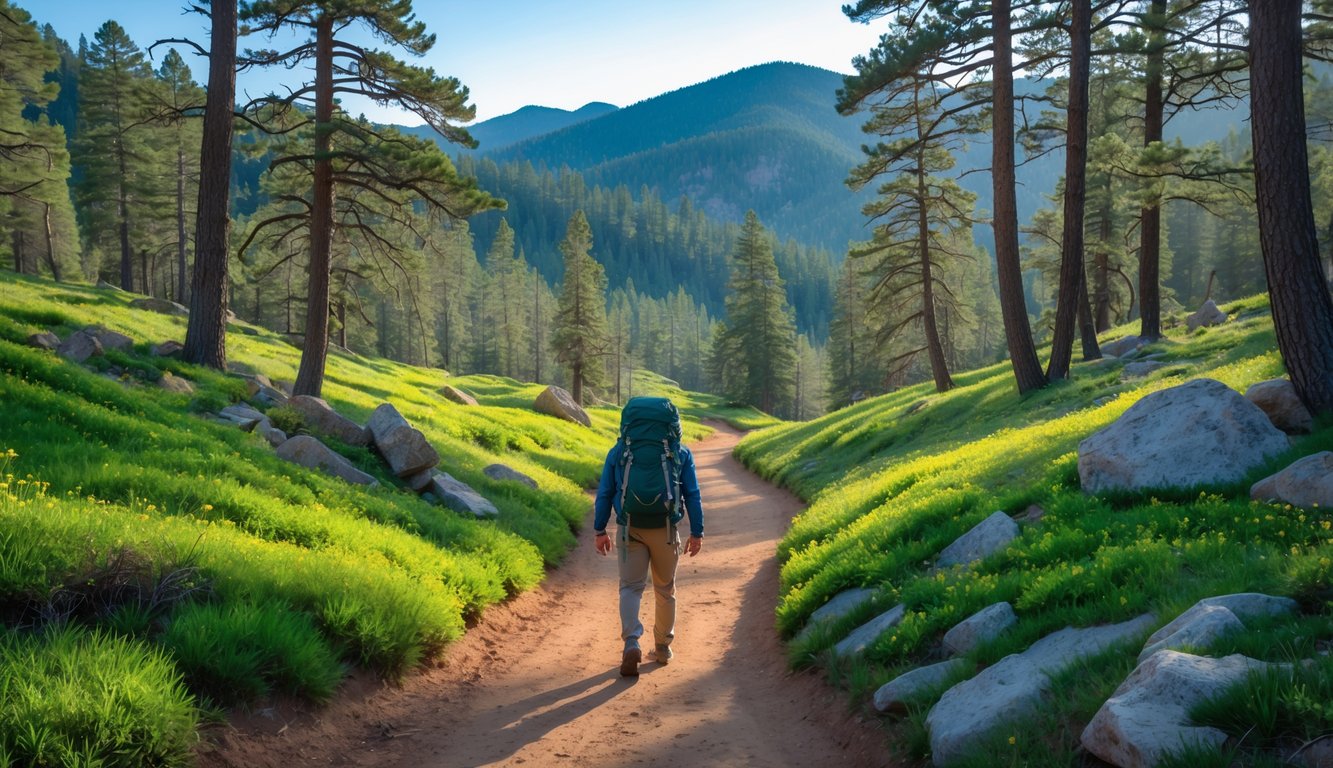
Among the top picks for early-season routes is the Gila Wilderness Loop, a challenging yet rewarding trail that takes hikers through remote canyons and across crystal-clear streams. This loop promises solitude and the chance to experience the world’s first designated wilderness area in all its splendor.
In addition to its captivating scenery, backpackers can explore cultural landmarks such as the Gila Cliff Dwellings, offering a peek into the rich history of the forest. The blend of natural beauty and historical significance makes the Gila National Forest an unparalleled destination for those ready to embark on an adventure at the start of the hiking season.
Top Early-Season Backpacking Routes in Gila National Forest
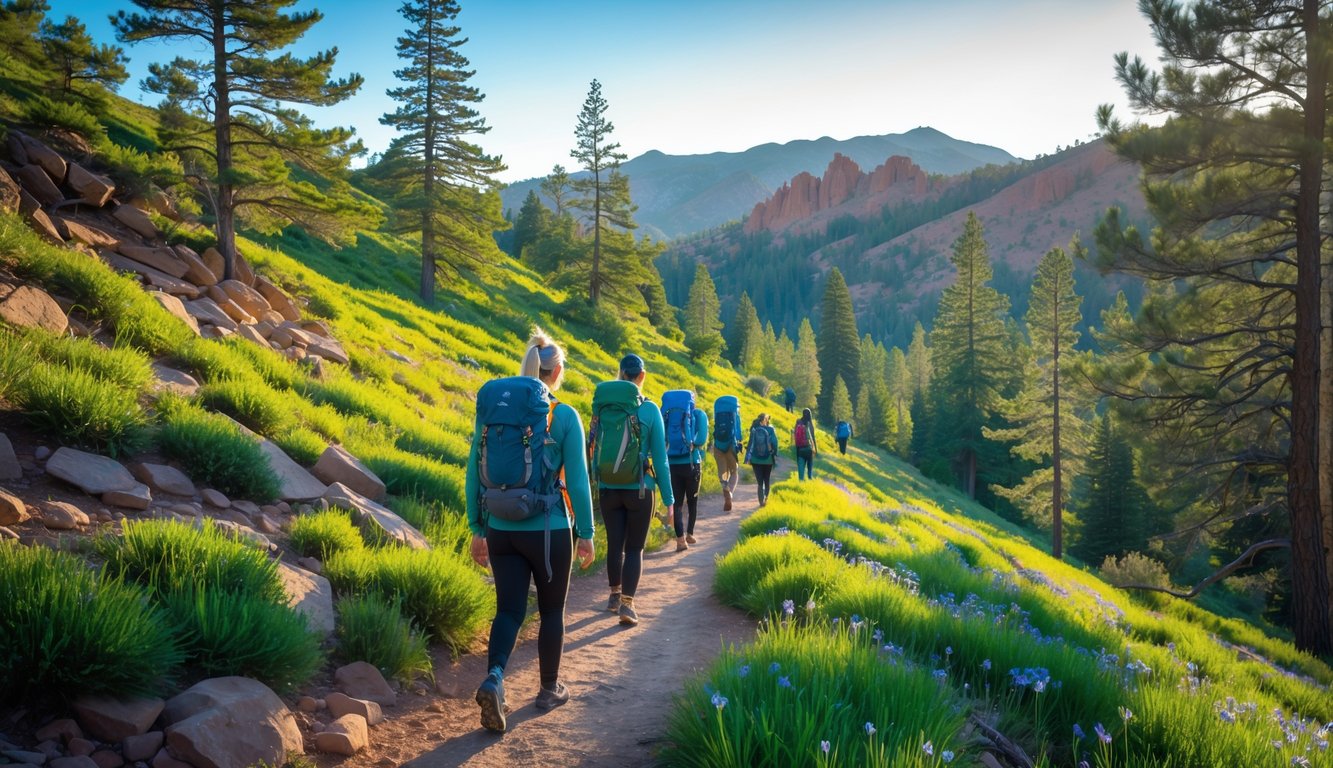
Gila National Forest in New Mexico offers captivating backpacking opportunities for those eager to explore its diverse landscapes. From traversing ancient wilderness trails to discovering hidden natural wonders, hikers can find an unforgettable adventure that suits all skill levels.
Gila Wilderness Loop
This adventure through the Gila Wilderness is a must for dedicated backpackers. The loop combines several trails, such as the Grand Enchantment and Continental Divide Trail, weaving through picturesque canyons with dramatic cliffs that tower overhead. It features river crossings that demand skill and caution, providing a thrilling experience for seasoned hikers. With no permits required, it allows for spontaneous wilderness exploration. Hikers should prepare for an invigorating elevation gain of 5,146 feet, showcasing the area’s stunning natural beauty and historical significance. This loop promises a true connection with the untamed wild.
Middle Fork–West Fork Loop
The Middle Fork and West Fork trails offer an immersive experience through lush riparian zones and striking river landscapes. This loop combines elements of both trails, guiding hikers along the pristine waters of the Gila River. There are countless river crossings, so appropriate footwear is essential. Trekkers will witness the steady alteration of ecosystems, from lush greenery near water to dry, rugged landscapes. Access begins at the West Fork Trailhead, and hikers encounter diverse terrains that culminate in a breathtaking journey. This route requires careful navigation but rewards explorers with serene quietness and nature’s untouched beauty.
Catwalk Trail Adventure
The Catwalk Trail boasts an inviting blend of rugged adventure and captivating scenery. Known for its stunning bridge walkways suspended over Whitewater Canyon, this trail offers a unique opportunity for early-season exploration. While shorter than other loops, its dramatic vistas and sturdy paths make it an ideal excursion for families or those new to backpacking. The trails here embrace the region’s mining history, with bridges following the paths once used to transport ore. This hidden treasure showcases lush vegetation and vibrant wildlife in the heart of the Gila Wilderness.
Hidden Gems for Experienced Backpackers
Venturing off the beaten path, experienced backpackers will find numerous less-traveled routes offering solitude and a raw connection with the wild. Trails such as those leading to the rugged highlands or exploring remote slot canyons are perfect for adventurers seeking challenges. These paths traverse dense woodlands, precarious rocky inclines, and isolated river crossings. Backpackers should be prepared with navigational tools as some trails fade into the wilderness, requiring expert route-finding skills. The areas provide vistas of untouched beauty, where nature’s dynamic forces create breathtaking geology. They cater to those who revel in discovering hidden nooks of the Gila Wilderness’s remoteness and diversity.
Trail Highlights: Scenery, Wildlife, and Unique Features
The Gila National Forest offers stunning landscapes, diverse wildlife, and fascinating historical sites for early-season backpackers. From dramatic canyons and refreshing river crossings to serene alpine areas and intriguing hot springs, the trails present a variety of natural and cultural wonders.
Rugged Canyons and River Crossings
Venture through the striking canyons of the Gila National Forest, where towering rock walls and dramatic vistas await. The Gila River Loop is particularly notable for its frequent river crossings, adding an exciting challenge to the hike. As backpackers wind along the Middle and West Forks, they are often treated to glimpses of the varied terrain, from rocky riverbeds to lush riparian vegetation. Wildlife such as mule deer and countless bird species thrive in these canyons. Keep an eye out for poison ivy, which can be prevalent along the trails, especially when wading through water crossings.
Alpine Meadows and Forests
The upper elevations of the forest transform into spectacular alpine meadows and dense forests teeming with life. Hikers will find themselves surrounded by towering ponderosa pines and vibrant alpine vegetation as they ascend from the river valleys. During spring, wildflowers blanket the meadows, creating an explosion of color amidst the greenery. These habitats provide shelter for an array of wildlife, including elk and black bears, making encounters with these animals a memorable experience. The contrasting landscapes between the lower canyon areas and the upper alpine zones emphasize the diverse ecological tapestry of the region.
Hot Springs and Historical Landmarks
For those drawn to both natural and historical wonders, the Gila National Forest doesn’t disappoint. The hot springs near the Middle Fork provide a rejuvenating stop after a day on the trail, with Jordan Hot Springs being a favorite due to its setting and accessibility. Moreover, the Gila Cliff Dwellings National Monument offers a fascinating glimpse into the area’s rich historical past. These ancient dwellings, carved into the cliffs by the Mogollon people, provide a stark reminder of the region’s historical depth and cultural significance, making them a must-visit for history enthusiasts.
Planning Your Early-Season Backpacking Trip
Embarking on an early-season backpacking adventure in Gila National Forest promises stunning landscapes and solitude. To ensure a successful trip, pay attention to timing, access logistics, and gear requirements.
When to Visit and Weather Considerations
Choosing the right time to visit Gila National Forest is crucial for an enjoyable backpacking experience. The ideal periods are late winter to early spring when snow begins to melt and trails become accessible. Daytime temperatures are perfect for hiking, usually ranging from the upper 50s to mid-70s Fahrenheit, while nighttime lows can drop into the 30s or 40s. Layering and packing versatile clothing protect against these temperature variations. Remember that spring showers may occur, so including waterproof gear is wise. Always check the weather forecast close to your departure and avoid high fire danger periods often seen in later spring and summer.
Trailhead Access and Shuttle Options
Accessing trailheads in Gila National Forest may pose challenges due to remote locations and varying road conditions. Many trails begin at well-maintained roads, but some require navigating rough terrain. Four-wheel vehicles offer the best access to more remote trailheads. Travelers can also consider shuttle services that facilitate drop-off and pick-up from trailheads, which allows flexibility for one-way hikes. Researching in advance online or by calling the Gila Visitor Center can provide critical details about road conditions and any relevant shuttle options, especially during certain times of the year when visitor use dwindles.
Essential Gear for Gila Adventures
Gearing up for the Gila backcountry involves preparation for both comfort and safety. A bear canister is necessary for food storage, given the local wildlife. Trekking poles aid stability on rugged trails. Embrace the principles of Leave No Trace by carrying out all waste. A reliable map and compass, or a GPS device, will assist in navigation, given the forest’s expansive and sometimes labyrinthine trail system. Pack versatile clothing layers to accommodate fluctuating temperatures, and ensure a high-performance waterproof jacket repels unexpected showers. Keeping a well-stocked first aid kit and a water purification system guarantees your basic needs are met on the trail.
Wilderness Permits and Regulations
Navigating the Gila National Forest requires understanding some key guidelines and safety measures. This includes permit needs and how to properly store food, especially considering bear safety.
Permit Requirements and How to Obtain Them
In the Gila Wilderness, backpacking permits, including wilderness and backcountry permits, are remarkably simple to manage. No permits are necessary for hiking or camping, sparing adventurers from extra paperwork. However, it’s always wise to inform someone you trust about your itinerary for safety reasons. Although unnecessary, obtaining a Gila Wilderness map can be beneficial for planning purposes and can be purchased at local forest service offices. Having a solid understanding of the trail options and terrain is crucial for a successful trip. Regularly contacting the Forest Service in Silver City for updates on trail conditions and safety advisories ensures that outings are both safe and enjoyable.
Wilderness Camping Guidelines
Camping in the Gila Wilderness offers a remarkable experience, though it comes with specific guidelines. Campers should practice Leave No Trace principles to preserve the pristine nature of the environment. Establish camps at least 200 feet from water sources to minimize ecological impact. Use established campsites whenever possible, reducing the chance of disturbing local wildlife and habitats. Open fires should be carefully managed or avoided; instead, campers are encouraged to use portable stoves for cooking. It’s also essential to be mindful of seasonal hazards, such as flash floods during summer monsoons. Ensuring adequate preparation in terms of gear and emergency provisions is key to an enjoyable journey in this remote wilderness.
Food Storage and Bear Safety
Ensuring the safety of both campers and local wildlife, proper food storage is crucial. In areas like the Gila, where sightings of wildlife such as black bears are possible, using bear canisters or hanging food in a bear hang is advised. Bear canisters are a reliable option for securely storing food, toiletries, and other scented items. They prevent bears and smaller critters from accessing these attractants. Additionally, cooking and food storage should occur away from sleeping areas, reducing the risk of attracting animals to your campsite. Being aware of the wildlife in the area, including black bears and mountain lions, and taking necessary precautions significantly enhances the safety and enjoyment of your wilderness adventure.
Tips for First-Time and Early-Season Backpackers
Embarking on an early-season backpacking adventure is thrilling but requires preparation. Beginners should focus on selecting the right trail, understanding trail navigation, and learning essential safety precautions to ensure a rewarding experience.
Choosing the Right Route for Your Skill Level
For those planning a first backpacking trip, selecting a route aligned with one’s skill level is crucial. In Gila National Forest, beginners might consider low-elevation trails, which tend to be less strenuous and often free from snow, making them ideal for spring. Checking trail maps and reviews can offer insights into the trail’s difficulty and any potential hazards. By gradually increasing trail complexity, new backpackers can build confidence and skills. To access some trailheads, a Discover Pass might be necessary, so verifying permit requirements is advisable. Start with shorter routes, allowing for time to enjoy the scenery without the pressure of long distances.
River Crossings and Trail Navigation
Spring backpacking in Gila National Forest sometimes involves navigating river crossings. It’s important to evaluate the water level and flow rate before attempting to cross. Backpackers should look for wide, shallow areas and use poles or sticks for balance. Wearing suitable footwear like water shoes can protect feet and improve traction on slippery rocks. Navigational skills are vital, especially in forested areas where trails may not be well-marked. Maps, a compass, and GPS devices should be part of the gear, with attention given to landmarks and signs. Regularly checking navigation tools helps prevent getting off track, ensuring that hikers can fully enjoy the beautiful yet challenging terrain.
Safety, Emergencies, and Responsible Exploration
Safety should always be a top priority. Beginners must know how to identify and handle common trail emergencies, such as dehydration, sprains, or encounters with wildlife. Packing a well-stocked first-aid kit and having a plan for communication in areas with no cell service is prudent. It’s also essential to inform someone of your planned route and expected return time. Responsible exploration involves respecting the environment by adhering to Leave No Trace principles—ensuring all trash is packed out, campsites are left undisturbed, and natural habitats are respected. This mindful approach not only preserves the beauty of Gila National Forest but also ensures a positive experience for future adventurers.
Comparing Gila National Forest to Other Iconic Backpacking Destinations
Gila National Forest offers a unique early-season backpacking experience that stands out among other renowned trails in the United States. By comparing its rugged beauty to places like Lone Pine and Goat Rocks Wilderness, one can truly appreciate what makes the Gila Wilderness exceptional.
How Gila Stands Out in the West
Gila National Forest, located in southwestern New Mexico, is known for its diverse landscapes and historical significance as the world’s first designated wilderness area. Its mix of rivers, canyons, and ancient cliff dwellings offers something for every outdoor enthusiast. Unlike the arid visuals of Lone Pine with its granite spires, Gila provides lush river valleys, perfect for those seeking both adventure and tranquility. Additionally, Gila’s lower elevation compared to Goat Rocks Wilderness means earlier accessibility in the season, making it a great option for hikers eager to hit the trails as soon as spring arrives. Here, hikers can immerse themselves in a landscape filled with biodiversity, from ponderosa pines to hot springs, enhancing their connection to nature in ways that other popular trails might not offer.
Other Early-Season Routes to Consider
Beyond Gila, backpackers seeking early-season adventures might consider other routes like the Superior Hiking Trail in Minnesota. This trail showcases dense forests and scenic lake views, contrasting Gila’s desert-like environment. Meanwhile, Pacific Northwest enthusiasts might gravitate towards the Goat Rocks Wilderness, renowned for its wildflower meadows and volcanic peaks. However, weather conditions here can delay access, as the snow lingers longer at higher elevations. For those looking for a more alpine experience, the area around Lone Pine in California offers trails that take hikers deep into the rugged Sierra Nevada, where dramatic views are a constant. Yet, the Gila National Forest’s relatively mild climate makes it particularly appealing for early-season treks, ensuring it remains a top choice for adventurous spirits ready to explore in the spring.