
Best Early-Season Backpacking Routes in the Gila Wilderness: Ultimate Guide
Best Early-Season Backpacking Routes in the Gila Wilderness: Ultimate Guide
Nestled in southwestern New Mexico, the Gila Wilderness is a treasure trove for early-season backpackers eager to experience rugged beauty and diverse landscapes. With its dramatic cliffs, deep canyons, and the meandering Gila River, the area provides a backdrop that is both breathtaking and inviting. For those looking to embark on early-season adventures, the Gila Wilderness offers ideal routes featuring mild temperatures and fewer trail obstructions compared to the more crowded summer months.
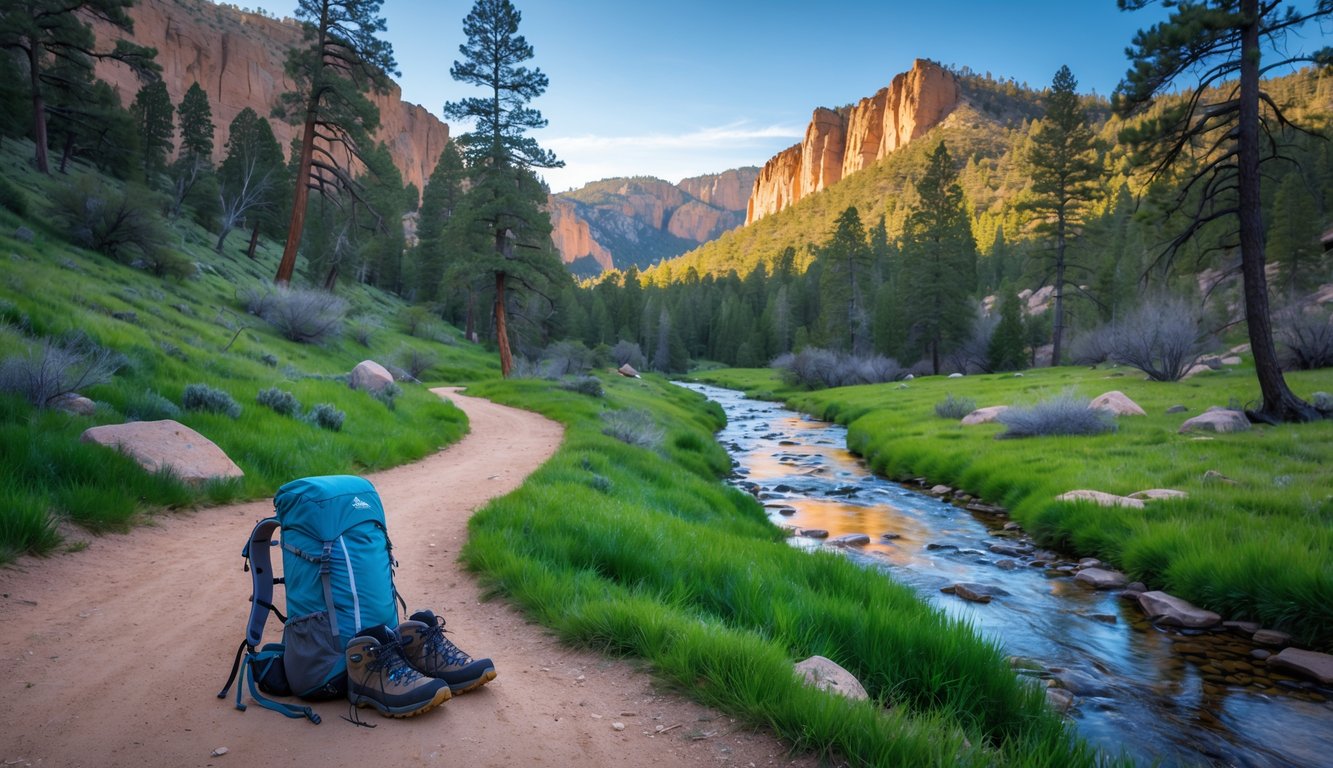
Explorers can venture into routes like the Gila River Middle Fork-West Fork Loop, known for its manageable difficulty and scenic vistas, perfect for those seeking a refreshing outdoor escape. As backpackers traverse these pathways, they are greeted by lush riparian zones, abundant wildlife, and historical remnants, adding layers of intrigue and excitement to their journeys.
Whether it’s the allure of wild landscapes or the promise of solitude, the Gila Wilderness captivates early-season backpackers with its unique offerings. Planning an adventure here ensures encounters with natural wonders that make every step an unforgettable part of the journey.
Choosing the Best Early-Season Backpacking Routes in the Gila Wilderness
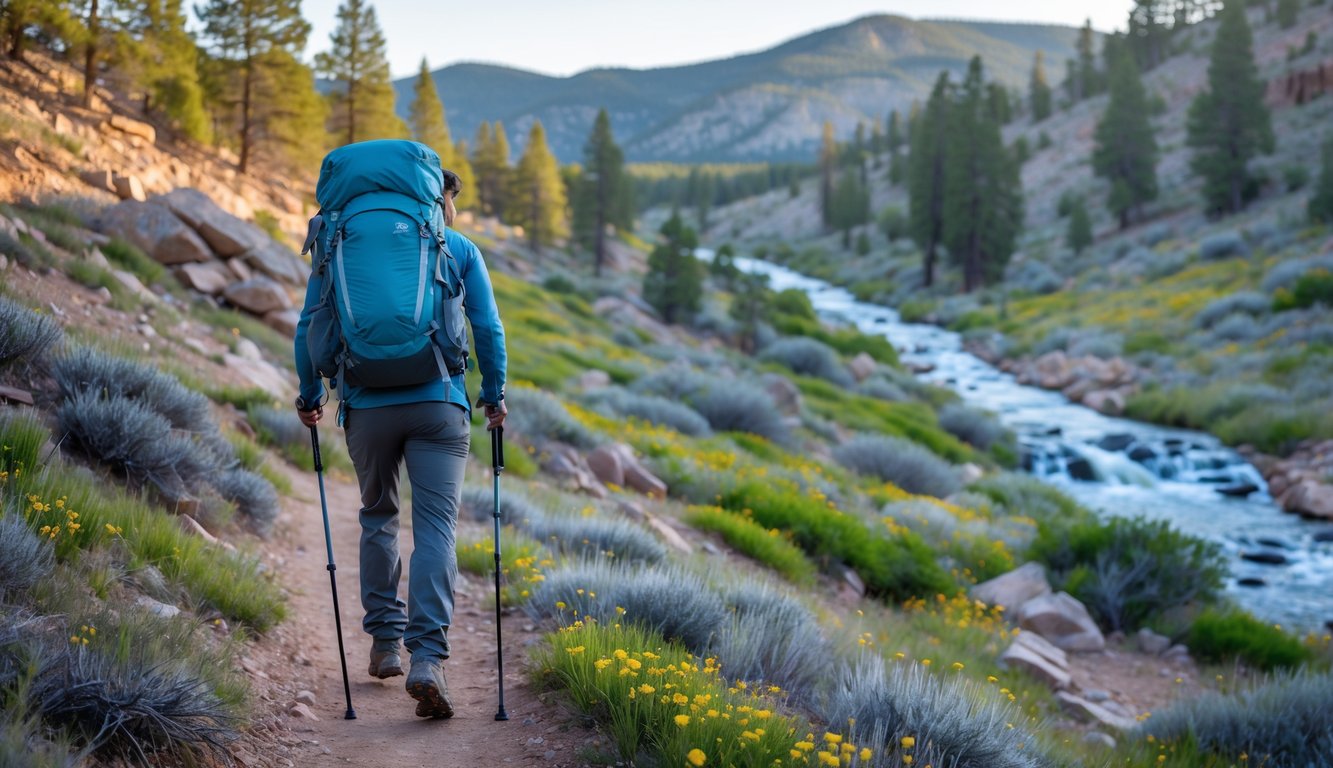
Exploring the Gila Wilderness during the early season offers backpackers a chance to experience diverse landscapes and varying climates. Early-season hikes are characterized by fewer crowds, cooler temperatures, and vibrant spring blooms, making them especially appealing for those eager to hit the trails after winter.
What Makes Early-Season Backpacking Unique in the Gila
Early-season backpacking in the Gila Wilderness offers a unique blend of tranquility and emerging natural beauty. The wilderness covers 558,014 acres, providing vast areas for adventurers to explore. During this time, hikers are greeted by fewer visitors, which fosters a sense of solitude and peace. Springtime brings vibrant wildflowers and emerging fauna, enriching the hiking experience and offering picturesque views. The terrain here varies from soaring canyon views to lush riverbanks teeming with life. While early-season trips promise serenity and beauty, hikers must be prepared for cool nights and possible water crossings, enhancing the adventurous spirit of the journey while keeping safety a priority.
Recommended Timeframes for Backpacking Trips
The ideal time for early-season backpacking trips in the Gila Wilderness is from late spring to early summer. For many, May and June offer the perfect blend of comfortable daytime temperatures and crisp, inviting nights. This period allows hikers to avoid the scorching summer sun, keeping the trails more manageable and the risk of dehydration lower. Visitors are advised to plan hikes around the Gila River Middle Fork-West Fork Loop because this is when river levels are generally lower, making for safer crossings. The lack of permits needed and available campsites add to the appeal, encouraging longer stays and deeper exploration into New Mexico’s wilderness.
Weather and Trail Considerations for Spring Hikes
Spring weather in the Gila Wilderness is variable, with temperatures ranging from cool nights to warm days. Hikers should prepare for rapid temperature shifts and the potential for occasional rainfall, which can influence trail conditions. The elevation gain varies significantly across different trails. Checking recent conditions before setting out is crucial, especially after heavy rain, which can lead to washed-out paths or high river crossings.
The Gila’s trails are often rugged and may not have clear signage, demanding diligent map reading and navigation skills. Follow Leave No Trace principles to preserve the pristine environment. Make careful preparations, and this wilderness can offer some of the most memorable early-season hikes.
Top Backpacking Routes: Itineraries and Highlights
The Gila Wilderness in New Mexico offers some of the most exhilarating backpacking routes in the country. From the stunning loops showcasing scenic landscapes to hidden hot springs, these trails promise adventure and serenity. Whether traversing river crossings or exploring ancient dwellings, hikers will find something extraordinary.
The Gila Wilderness Loop: Scenery and Adventure
The Gila Wilderness Loop is a great way to experience the varied terrain of the Gila National Forest. This loop covers a section of the famed Continental Divide Trail and introduces hikers to breathtaking vistas. The loop offers diverse landscapes, from lush valleys to rugged mountains. While the trail can be demanding with its frequent switchbacks, it rewards with panoramic views of unspoiled forest. Wildlife lovers might catch glimpses of deer and eagles. This loop challenges and delights adventurers with its mixture of elevation changes and serene spots for resting or camping.
Gila River Middle Fork-West Fork Loop
The Gila River Middle Fork-West Fork Loop is a true gem, offering plentiful opportunities for river crossings. Hikers will enjoy the unique experience of hiking along the water, surrounded by a vibrant ecosystem. This route offers the enchantment of the Gila River as it cuts through towering cliffs. The trail is peppered with vibrant green meadows, and the soothing sound of the rushing river adds to the magical experience. Although the river crossings can be challenging, the effort is worthwhile. Each crossing leads to secluded areas perfect for camping and reflection.
Side Trips to Hot Springs and Scenic Overlooks
For those interested in memorable side trips, the Gila Wilderness provides exceptional opportunities. A short distance from the main trails are several natural hot springs, offering a relaxing soak after a day of hiking. These hot springs are frequently set against dramatic backdrops, adding to the allure. Additionally, scenic overlooks provide unrivaled views of the landscape, with some offering glimpses of the Gila Cliff Dwellings National Monument. These side trips are perfect for expanding the adventure, allowing for a blend of relaxation and exploration off the beaten path.
Essential Logistics for a Successful Backpacking Trip
Embarking on a backpacking adventure in the Gila Wilderness requires attention to several key logistics. From understanding trailhead access points to ensuring safe river crossings and navigation, each detail is essential for a successful experience. Proper preparation enhances the journey and ensures a safe and enjoyable trip.
Trailhead Access: West Fork and Beyond
Access to the Gila Wilderness is pivotal for any backpacking trip, with the West Fork Trailhead being a primary entry point. Located near the Gila Cliff Dwellings National Monument, this trailhead serves as a launch point for several routes. Travelers can take scenic roads through areas like Silver City to reach it, providing a picturesque start to their journey. Ample parking is available, though it can fill quickly during peak seasons. An easy 2-mile road connects the Middle Fork and West Fork trailheads, forming a convenient loop. Shuttle services are also available for those flying in, providing vital support for one-way hikes. Ensuring clear access to these trailheads will set the stage for a seamless backpacking adventure.
Water Sources and River Safety
Water management is crucial in the Gila Wilderness, where the Gila River offers ample access. Both the Middle and West Forks present frequent opportunities for refilling supplies. River conditions can vary greatly, making it important to assess safety before crossing. Heavy rain can result in elevated water levels and swifter currents, demanding caution. Always use lightweight gear that dries quickly to minimize discomfort from water crossings. Hikers should carry water purification tools to ensure safe drinking water. Detailed weather forecasts help anticipate conditions and inform decisions about river safety. By planning ahead, backpackers can ensure they have reliable water sources while navigating the natural challenges of river crossings.
Navigational Tips and Maps
Navigating the Gila Wilderness requires detailed maps and reliable orientation tools. Topographical maps are indispensable, as they outline the varying terrain and denote elevation gain. While trails are generally well-marked, signage may be sparse in less-traveled areas. To prevent disorientation, travelers should maintain an awareness of their surroundings and crosscheck locations with GPS devices when uncertain. Given potential terrain changes due to floods or other natural events, checking for updated trail conditions before setting out is wise. Travelers should also download offline maps, as cellular service can be spotty. These navigational strategies ensure adventurers can confidently explore and enjoy the breathtaking scenery of the Gila Wilderness.
Camping Ethics, Wildlife, and Safety in the Gila Wilderness
Exploring the Gila Wilderness offers a unique chance to connect deeply with nature. This remarkable area invites campers to respect the environment, observe wildlife responsibly, and stay safe.
Leave No Trace and Wilderness Permits
When camping in the Gila Wilderness, it’s vital to follow the Leave No Trace principles. Campers should ensure that all trash and waste are packed out, leaving the environment pristine. Utilize a fire pan or existing fire rings to minimize impact on the surroundings, and disperse camping in allowed areas to preserve natural beauty. When planning a trip, it’s important to verify whether a wilderness permit is required. These permits help manage visitor impact and preserve the wilderness experience. Always check with the U.S. Forest Service for updates on regulations and permit requirements before venturing into the wilderness.
Wildlife, Safety Precautions, and Food Storage
The Gila Wilderness is home to amazing wildlife, including black bears, mountain lions, and Mexican gray wolves. To safely observe these beautiful creatures, keep a safe distance and use binoculars or a zoom lens for a closer look. Protecting both yourself and wildlife is critical, so always practice responsible food storage. Use bear-proof containers or hang food at least 10 feet above the ground and 4 feet away from branches. In terms of safety, stay on designated trails and keep a map handy to avoid getting lost. Familiarize yourself with the area’s flora and fauna to safely enjoy this natural wonder.
Fire Regulations and Environmental Hazards
Camping in the Gila also means adhering to fire regulations to prevent wildfires. Open fires are generally restricted to certain zones—consult the U.S. Forest Service for the latest guidelines. Use camp stoves as a safe alternative for cooking. Remember, the fire danger is high, and conditions can change rapidly. Be prepared for environmental challenges like flash floods, especially in the aftermath of past fires like the Silver Fire and Black Fire. Visitors should always stay informed about potential hazards and carry essential gear like a first aid kit, extra water, and navigation tools to handle unforeseen situations.
How the Gila Wilderness Compares to Other Iconic Backpacking Destinations
The Gila Wilderness offers a distinct blend of historical intrigue and natural splendor. Known for its dramatic canyons, ancient cliff dwellings, and the soothing flow of the Gila River, it stands in contrasts to other renowned trails with unique features and challenges.
The Continental Divide Trail Experience
The Continental Divide Trail traverses a stunning array of landscapes, running over 3,000 miles from Mexico to Canada. In contrast to the lush riparian zones of the Gila, the Continental Divide Trail offers a more diverse backdrop. Adventurers traverse alpine meadows, high deserts, and dense forests. Sheer variety is the trail’s hallmark feature, giving hikers everything from snowy peaks to steaming hot springs. While the Gila provides a more secluded, intimate backpacking experience, the Continental Divide Trail offers an epic journey with changing ecosystems and challenging elevations. The Gila’s historical richness is complemented by the Continental Divide’s grandiose scale, making both destinations appealing for different reasons.
Highlights from the Colorado Trail
The Colorado Trail stretches roughly 500 miles, boasting some of the most spectacular scenery in the United States. The path includes highlights like Notch Mountain and passes through alpine lakes such as Red Castle Lakes and Ibanik Lake. Adventure seekers enjoy picture-perfect views, challenging terrains, and vibrant wildflower displays. Whereas the Gila Wilderness provides an earlier-starting hiking season with its relatively mild weather and lower elevations, the Colorado Trail tends to attract hikers in the summer, when snow has mostly melted. While the Colorado Trail emphasizes lofty peaks and varied hiking conditions, the Gila Wilderness is distinguished by its historical sites and offers a unique encounter with ancient cultures.
Backpacking Adventures in the High Uintas and Beyond
The High Uintas Wilderness features rugged terrain and high-altitude lakes. Popular attractions include Red Castle Lakes and Ibantik Lake, providing breathtaking views and a sense of solitude. Unlike the Gila, with its historical cliff dwellings and riverine trail systems, the Uintas offer towering peaks and pristine waters ideal for seasoned backpackers seeking elevation. Both regions require careful planning and awareness of the local conditions, but each provides a distinctive experience. The Uintas are particularly engaging for those looking for challenges in altitude and remote backcountry settings, whereas the Gila delivers an adventure steeped in both natural beauty and cultural history.