Best Hiking Trails in Pisgah National Forest: Ultimate Adventure Guide
Best Hiking Trails in Pisgah National Forest: Ultimate Adventure Guide
Pisgah National Forest, nestled in the breathtaking landscapes of western North Carolina, is a hiker’s paradise offering an array of trails for all skill levels. Venturing through Pisgah’s lush woodlands, cascading waterfalls, and scenic vistas provides hikers with an unforgettable outdoor experience. The diversity of trails not only caters to adventurers seeking thrilling challenges but also to families looking for peaceful, leisurely strolls amidst nature.
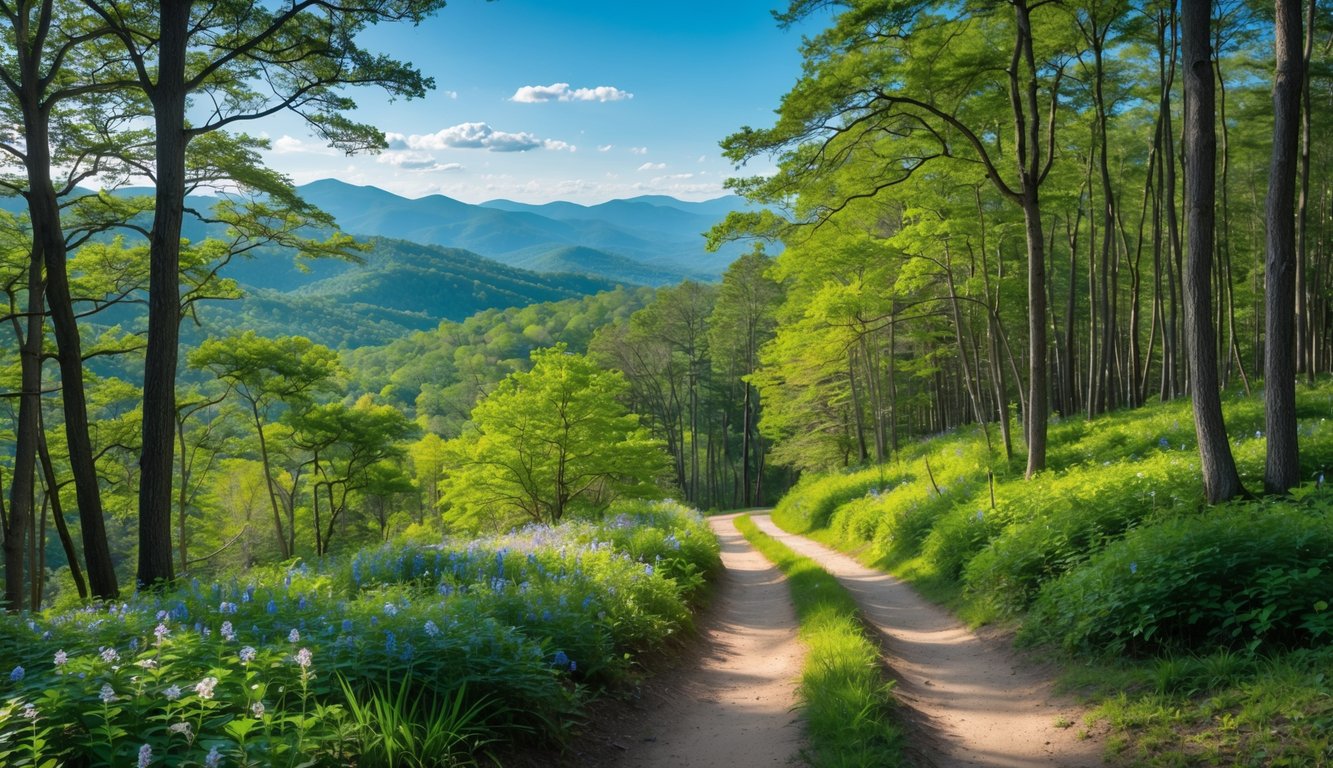
Each trail in Pisgah holds its own unique appeal, from the panoramic views atop Looking Glass Rock to the educational journey along the Cradle of Forestry Trail. These routes allow hikers to explore diverse ecosystems and witness the natural beauty that defines this verdant forest. Whether it’s the thrill of a strenuous climb or the tranquility of a gentle path, Pisgah’s trails promise rich experiences and memories.
Explorers will find that Pisgah National Forest stands out not only for its natural grandeur but also for its rich ecological and historical significance. With trails winding through varied terrains and elevations, it’s the perfect destination for hiking enthusiasts to immerse themselves in nature, discover breathtaking views, and learn about responsible hiking practices.
Top Hiking Trails in Pisgah National Forest
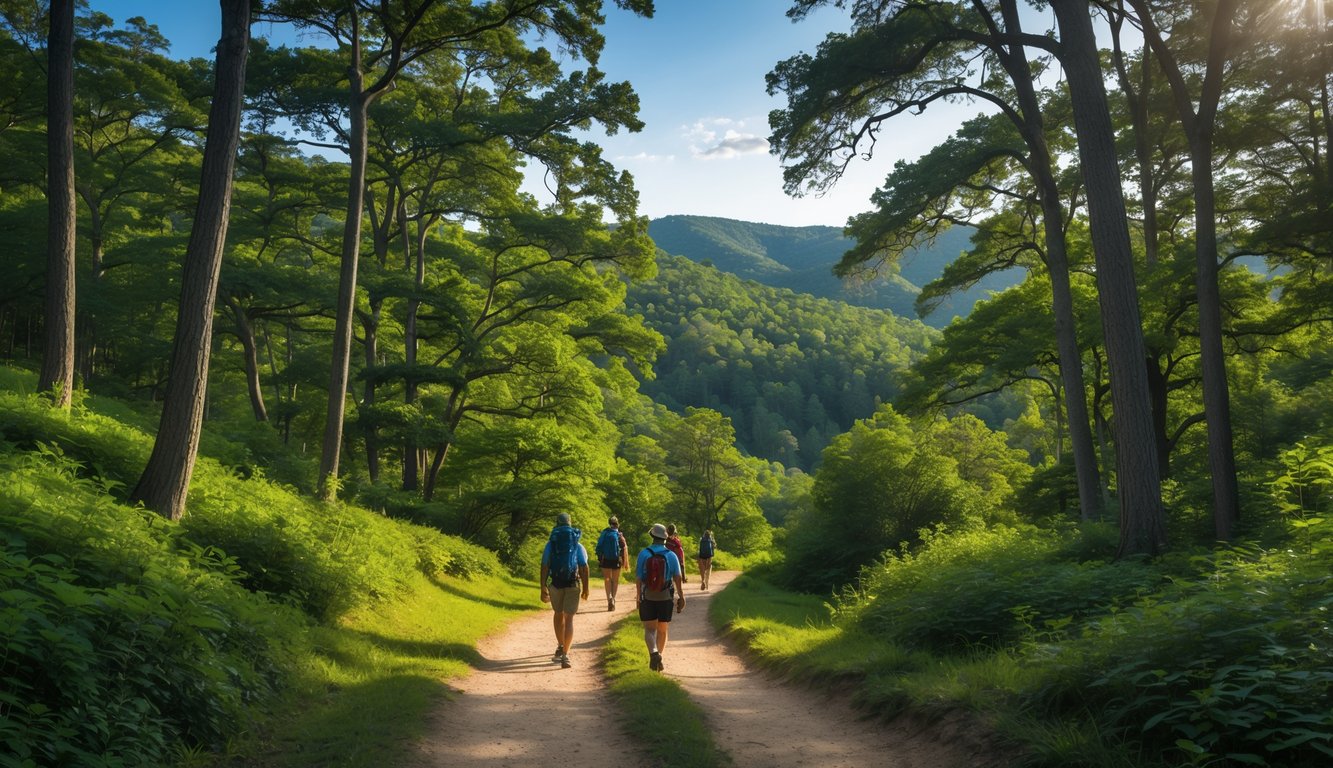
Pisgah National Forest offers some of the most stunning hiking trails in North America, providing hikers with access to breathtaking waterfalls, panoramic mountain views, and diverse ecosystems. This varied landscape captivates adventurers with its unique blend of natural beauty and rich ecological diversity.
Graveyard Fields Loop
The Graveyard Fields Loop is a delightful outing for families and solo hikers alike, known for its accessible terrain and captivating scenery. Located at an elevation that brings stunning flora into view, this 3.2-mile trail features numerous waterfalls, making it a photographer’s dream. Early in the hike, adventurers encounter Lower Falls, where cool, misty waters offer a refreshing break. As you continue, the trail opens into fields awash with blueberries during late summer, providing a natural snack and a burst of seasonal color. Multiple spur trails lead to additional scenic spots, allowing hikers to extend their adventure. With moderate elevation changes, Graveyard Fields Loop remains an approachable and satisfying experience for all skill levels.
Looking Glass Rock Trail
The Looking Glass Rock Trail challenges those seeking a moderate workout, rewarding them with awe-inspiring panoramic views. Spanning about 6.5 miles round trip, this hike features a steady climb through lush forests leading to the summit. As hikers ascend, they’ll pass through dense woodland before breaking into open areas with towering granite cliffs that attract rock climbers from all over. The summit is the trail’s crown jewel, offering expansive views of the Pisgah National Forest’s rolling hills and vibrant valleys. Considered a must-do for any hiker in the area, this trail promises beauty and accomplishment, making every step to the top feel worth the effort.
John Rock Trail
The John Rock Trail is often overshadowed by its more famous counterparts, yet it holds its own as a gem of Pisgah. This 5-mile loop provides hikers with intimate encounters with nature, including the chance to see diverse wildlife in their natural habitats. As the path weaves through hardwood forests and beside bubbling streams, the terrain offers a challenging yet manageable journey. The trail culminates in a mesmerizing view from John Rock’s granite face, which overlooks the fish hatchery and Looking Glass Rock. It’s a hotspot for enthusiasts with a knack for birdwatching. The trail’s open summit offers ample space to relax and soak in the surrounding beauty, making it a cherished spot among those in the know.
Black Balsam Knob Path
For those eager to witness unrivaled views without excessive effort, Black Balsam Knob Path is the ultimate destination. Renowned for its balds—treeless summits covered in native grasses and scattered shrubs—it provides an exhilarating sense of openness. The trail is a part of the larger Art Loeb Trail and is approximately 1.5 miles, leading hikers right to the summit. From this vantage point, the vista is unparalleled, revealing miles of unbroken mountain ranges and, in the right season, a canvas painted with fall foliage colors. The easy access and breathtaking scenery make Black Balsam Knob a favorite among photographers and those seeking a more contemplative hike.
Scenic Waterfall Hikes
Pisgah National Forest offers an exhilarating experience with its scenic waterfall hikes. Adventure seekers can witness majestic cascades while enjoying diverse landscapes. From rewarding hikes to serene trails, each path has something unique to offer.
Rainbow Falls Route
Rainbow Falls is a breathtaking spectacle in Pisgah National Forest. Hikers embarking on this journey will cover a moderately challenging 3.9-mile round trip. The trail begins near Gorges State Park, with a robust ascent that pausers may find daunting but rewarding. As they ascend, adventurers are enveloped by lush greenery and the soothing sounds of distant water. At the trail’s end, the magnificent 150-foot waterfall reveals itself, creating awe-inspiring rainbows on sunny days. These natural wonders delight photographers and nature lovers alike, making the effort well worth it. The route’s combination of steep climbs and serene forest vistas make it a favorite for those seeking a bit of exertion paired with spectacular rewards.
Moore Cove Falls Walk
Those looking for a more leisurely hike will find Moore Cove Falls an ideal choice. This half-mile walk is perfect for families and newcomers to hiking, offering an easy trail with a flat terrain. Its charm lies in its tranquil setting and the delightful 50-foot waterfall at the conclusion. The waterfall plunges over a rock ledge and forms a gentle mist, providing a refreshing atmosphere even on warmer days. Since the path is straightforward, it is accessible throughout the seasons, allowing hikers to enjoy different aspects of nature’s beauty. With parking conveniently located near the trailhead, it’s a highly recommended stop for anyone visiting Pisgah National Forest. The gentle pace of this walk makes it a favorite for visitors wanting a relaxing yet scenic escape.
Daniel Ridge Loop
Daniel Ridge Loop takes hikers on a picturesque journey through varied landscapes over a 4-mile circuit. Known for its lush forests and cool streams, the highlight is the captivating Daniel Ridge Falls. The trail meanders through rich flora, leading adventurers to the 100-foot waterfall tumbling over rugged rocks. Despite its beauty, this trail is slightly more difficult, with a few challenging inclines. However, the diverse scenery and the waterfall’s roar make it a captivating trek. Wildlife enthusiasts will enjoy the abundance of birds and small mammals along the path. Trail intersections are marked, yet a map or GPS is advisable to fully enjoy this natural paradise without losing direction.
Unique Ecosystems and Natural Features
Pisgah National Forest is a vibrant tapestry of ecological wonders, supporting diverse plant and animal life across its vast expanse. From rich biodiversity zones to distinct mountain habitats, each area offers unique opportunities for wildlife observation and natural exploration.
Rich Biodiversity Zones
The Pisgah National Forest stands as a sanctuary for a rich array of plant and animal species. Within its boundaries, the forest hosts a mix of temperate and subtropical flora, fostered by varied climatic zones. This diversity contributes to Pisgah’s ecological resilience. The balance of numerous plant species provides different strata of habitat, supporting a range of wildlife. Additionally, rivers like the Davidson and French Broad create riparian habitats essential for aquatic species. These zones provide nesting grounds for birds and nourishment for mammals, painting a vibrant ecological picture. The lush understorey and canopy work together, creating an ideal environment for both terrestrial and avian life.
Distinct Mountain Habitats
Pisgah’s mountainous terrain contributes to a series of microclimates, resulting in distinct mountain habitats. Peaks such as Mount Pisgah rise above 6,300 feet, offering cooler temperatures and unique plant life compared to lower elevations. These areas support heath balds, where unique vegetation thrives amidst rocky outcrops. Forested slopes host rich cove forests that provide diverse habitats for varied faunal species. Elevation changes also influence seasonal plant behaviors, like spring blooms and autumn foliage, creating a dynamic landscape. Trails wind through these habitats, offering hikers breathtaking transitions from one ecosystem to another, each rich with its own set of botanical and geological features.
Wildlife Viewing Opportunities
Pisgah National Forest is a haven for wildlife enthusiasts, offering numerous opportunities to observe an array of species in their natural habitat. Majestic black bears roam the forest, while white-tailed deer can often be seen grazing in open meadows. Birdwatchers are drawn to the varied bird species, from tiny warblers to majestic hawks. Waterways provide the perfect environment to encounter amphibians and aquatic birds. For those interested in ecology, the forest serves as a vibrant field study site, allowing insight into native species’ behaviors and adaptations. These wildlife-rich areas are not only important for ecological studies but also offer indelible experiences for nature lovers.
Guidelines for Responsible Hiking
Hiking in Pisgah National Forest is an exciting adventure that offers stunning natural beauty and biodiversity. To ensure the trails and their ecosystems remain pristine for future enjoyment, hikers must adopt responsible practices. These focus on minimizing environmental impact, preserving the forest, and ensuring safety around wildlife.
Leave No Trace Principles
Adherence to the Leave No Trace principles is crucial to maintaining the cleanliness and integrity of Pisgah National Forest. Hikers should always pack out what they pack in, leaving no litter behind. Staying on marked trails prevents erosion and damage to fragile vegetation. To minimize the impact, hikers are encouraged to camp at least 200 feet away from lakes and streams. This helps protect delicate aquatic ecosystems. When nature calls, bury waste in a small hole at least six inches deep and 200 feet from water sources. Being considerate of others by keeping noise to a minimum and sharing the trails enhances the experience for everyone.
Forest Preservation Tips
Preserving the forest’s health and beauty is vital. Hikers should avoid picking plants or disturbing wildlife, as these actions can disrupt ecological balance. Instead, use designated areas for camping and fires to prevent unwanted damage. Fires should only be built when permitted and kept small, using dead wood found on the ground. To further protect the forest, hikers are urged to use biodegradable soap if washing in streams. Engaging in forest-friendly activities like guided tours that educate on sustainability adds to the preservation efforts. Additionally, joining local conservation programs can help maintain the forest for future generations by promoting active involvement in its care.
Wildlife Safety Advice
Safety around wildlife enhances enjoyment without risking harm. Hikers should never feed or approach wild animals, as this can alter their natural behaviors. Keeping a safe distance and using binoculars for viewing ensures respectful wildlife observation. If on the trail with a pet, keeping the animal on a leash prevents unwanted encounters with wildlife. In areas where bears are present, using bear-proof containers for food storage is essential to reducing encounters. Carrying bear spray and knowing how to use it provides additional safety. Educating oneself about local wildlife and knowing how to react to different species helps hikers navigate the forest safely while appreciating its abundant life.
Planning Your Pisgah Adventure
Exploring Pisgah National Forest offers an extraordinary experience for outdoor enthusiasts. Hikers should consider seasonal conditions, essential gear, and logistical details to make the most of their adventures in this diverse landscape. Proper planning enhances safety and helps ensure a more enjoyable hiking experience.
Best Seasons for Hiking
Spring and fall are ideal for hiking in Pisgah National Forest, offering mild temperatures and spectacular natural displays. In spring, wildflowers bloom, creating vibrant trailscapes, although rising water levels may necessitate waterproof footwear. Autumn brings a panorama of colorful foliage, capturing the interest of hikers and photographers alike. Summer, while lush, presents challenges such as heat and increased visitor numbers. Planning hikes early in the morning can help avoid the hottest parts of the day. Winter hiking reveals serene landscapes but requires caution due to snow and ice. Proper gear and awareness of trail conditions are crucial, as not all trails remain open or accessible year-round.
Essential Gear and Preparation
Proper preparation is key to a successful hiking experience. Essentials include sturdy hiking boots, weather-appropriate clothing, and a backpack with enough water and snacks. Navigation tools such as a map and compass or a GPS device are indispensable, especially for longer or less trafficked routes. Depending on the season, additional items like jackets, hats, or sunscreen may be necessary. A first-aid kit can be vital for handling minor injuries. Hikers should also prepare by informing someone of their plans and expected return time. Knowledge of local wildlife and trail conditions helps ensure a safe experience. Each hiker must tailor their gear checklist to their chosen trail’s level of difficulty and personal needs.
Trailhead Access and Parking
Accessing trailheads in Pisgah National Forest becomes crucial in planning hikes. Directions and parking availability vary, with many trailheads situated off well-traveled roads like the Blue Ridge Parkway. Early arrival is recommended to secure parking spaces, as popular trails often fill up quickly, especially on weekends. Some sites may require permits or parking fees, so it’s important to have the necessary documentation on hand. It’s also beneficial to research alternate access points for less crowded options. /articles/best-hiking-trails-pisgah-national-forest/ Notable trails like Looking Glass Rock and Cradle of Forestry offer nearby facilities, enhancing convenience for visitors. Proper planning ensures seamless transitions from arrival to trail exploration.