
Best Wildflower Hikes in Mount Rainier National Park: Complete Guide
Mount Rainier National Park is a treasure trove for nature lovers, especially those who adore wildflowers. Known for its breathtaking subalpine meadows, the park showcases a vibrant tapestry of colors that bloom every summer. The best time to witness these stunning wildflower displays is typically from late July through mid-August, when the meadows burst into full bloom after the snow has melted. This brief window offers a unique and unforgettable experience that draws hikers from all over the world.
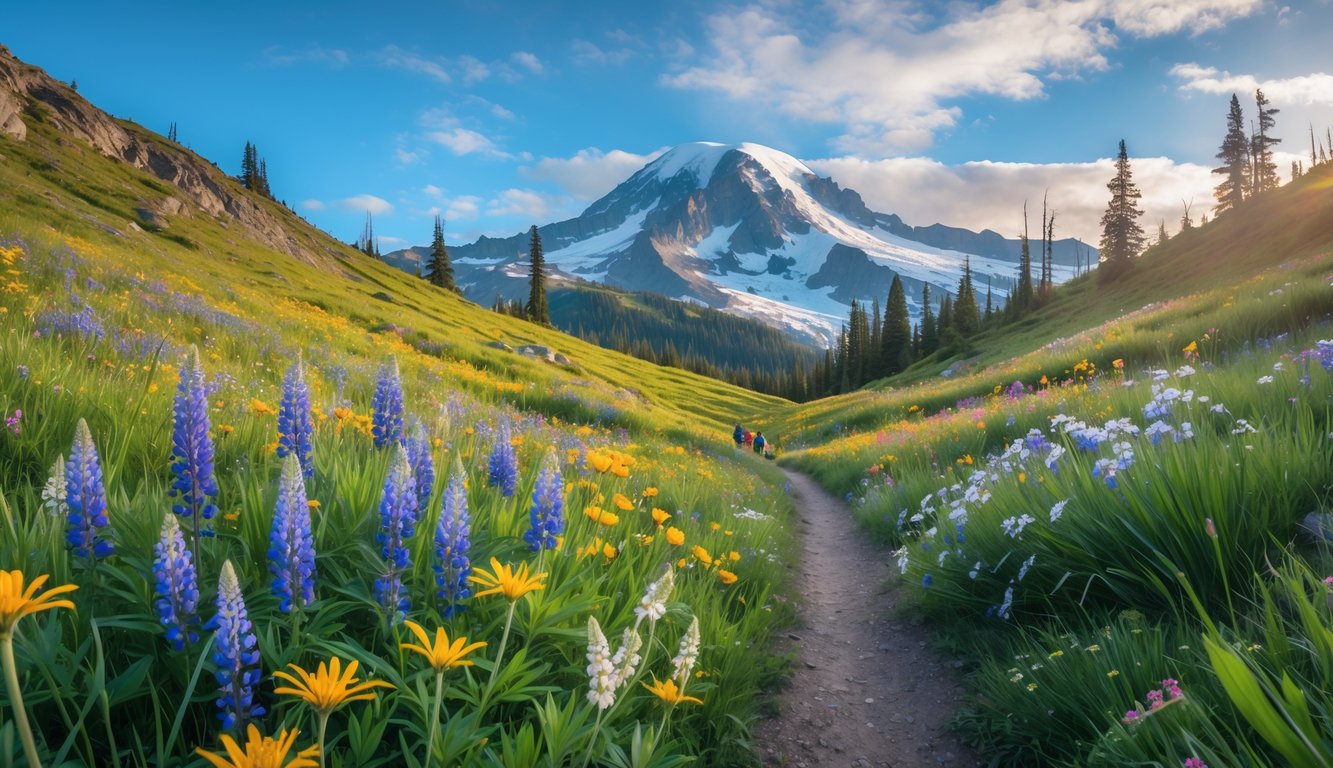
For adventurers seeking remarkable trails, the park doesn’t disappoint. Some of the top wildflower hikes include the Sunrise Nature Trail and the Berkeley Park Trail, which provide both stunning scenery and opportunities to spot local wildlife. Locations like Paradise and Sunrise are celebrated for their picture-perfect vistas and accessible beauty, making them must-visit spots for both novices and seasoned hikers alike.
The kaleidoscope of wildflowers is not only an enchanting sight but also a testament to the park’s rich biodiversity. Alongside iconic sights like Tipsoo Lake, which offers unbeatable views of Mount Rainier, visitors can immerse themselves in this phenomenal natural wonderland. As hikers traverse these trails, they are welcomed by an ever-changing landscape of colors and fragrances that captivate the senses.
When and Where to See Wildflowers
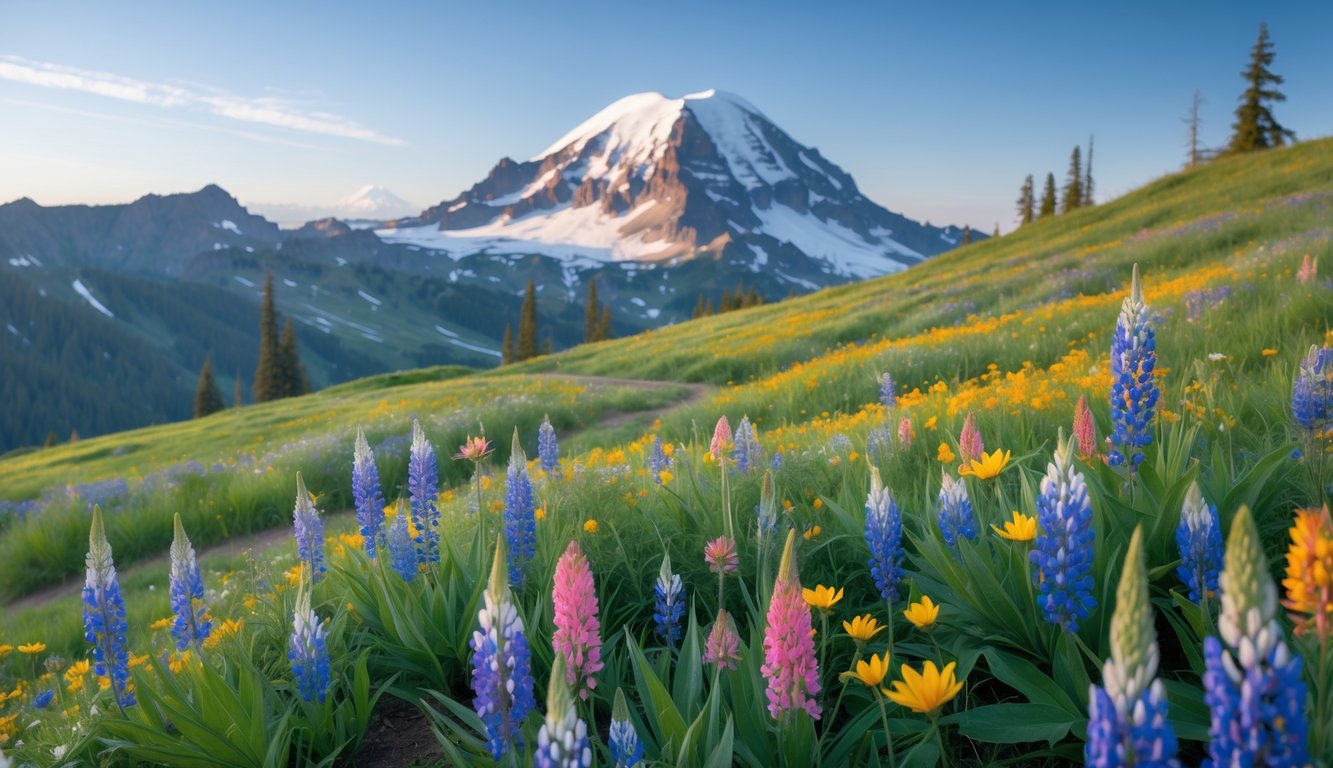
Mount Rainier National Park is a breathtaking destination for wildflower enthusiasts. Every summer, the park’s alpine and subalpine meadows offer vibrant displays of wildflowers. Visitors should plan their trip carefully to experience the best blooms.
Best Time for Wildflower Bloom
The most spectacular wildflower displays usually occur from late July through mid-August. After the snow melts at higher elevations, the wildflower meadows burst into color. Although the bloom timing can fluctuate each year depending on weather and snowpack conditions, many flowers typically start blooming by mid-July. For those wanting a more precise update on the flower status, the park’s website provides information on the current wildflower blooming status. It’s essential to visit during this peak season to witness the full glory of the vibrant wildflower meadows that transform the landscape.
Top Wildflower Viewing Areas
Mount Rainier National Park offers several prime locations to enjoy wildflowers. Paradise is renowned for its accessible breathtaking trails and stunning views, home to the iconic Skyline Trail packed with wildflowers like lupines and glacier lilies. Sunrise is the highest area accessible by car and provides incredible panoramas and floral displays. Chinook Pass, near Tipsoo Lake, is another favorite area for its remarkable wildflower shows and stunning vistas of Mount Rainier. For those willing to venture farther, sites like Mowich Lake and Longmire offer rich wildflower displays, though they may require additional driving or hiking.
Wildflower Species to Look For
Visitors will find a wide variety of wildflowers painting the landscapes. Some of the notable species include avalanche lilies and glacier lilies, often among the first to bloom. Bear grass and various species of lupine add splashes of color throughout the meadows. In addition, the Indian paintbrush adds its dramatic red and pink hues. These species thrive in the park’s subalpine meadows, which lie between dense forests and the barren alpine zone. The diversity of flowers perfectly illustrates the vibrant beauty of Mount Rainier, offering a memorable experience for hikers and nature enthusiasts alike.
Top Wildflower Hikes in Paradise
Paradise at Mount Rainier National Park offers some of the most mesmerizing wildflower hikes. Visitors delight in trails that weave through vibrant meadows with the majestic Mount Rainier as the backdrop. Exploring these trails provides stunning views, from the sweeping vistas of the Nisqually Glacier to the gentle cascades of Myrtle Falls.
Skyline Trail and Skyline Loop Trail
The Skyline Trail and its loop version are the crown jewels of Paradise’s wildflower hikes. These trails start near the Henry M. Jackson Visitor Center and offer breathtaking views of both the alpine meadows and Mount Rainier. As hikers venture onto the trail, the lush meadow bursts with colorful blooms, including avalanche lilies and vibrant lupines. This iconic route takes visitors past Panorama Point, a vantage spot offering panoramic views of the Cascade Range. On clear days, hikers might even spot peaks like Mount Adams and Mount St. Helens. The full loop covers over six miles, providing a moderately challenging yet rewarding experience. Wildlife sightings, such as marmots and mountain goats, are not uncommon here, making each hike unique and memorable.
Alta Vista Trail
The Alta Vista Trail is a must-see for anyone visiting Paradise. This short yet rewarding trek begins at Paradise Inn and meanders through picturesque meadows drenched in wildflower hues. Offering spectacular vistas of the surrounding landscape, including the Nisqually Glacier, this hike is perfect for families and those looking for a less strenuous option. The trail gains about 600 feet in elevation, providing a gentle workout amid nature’s splendor. Hikers can enjoy a variety of flora, including the stunning paintbrush and daisies, all while taking in the fresh mountain air. The Alta Vista offers a fantastic introduction to the area and is often bustling with photographers and nature lovers.
Nisqually Vista Trail
Ideal for casual hikers, the Nisqually Vista Trail provides easy access to one of the park’s most iconic glaciers. Starting near the visitor center, this loop trail is just over a mile long, making it great for a quick yet fulfilling adventure. Visitors will be delighted by the wildflower displays, ranging from bear grass to lupines, lining the path. As its name suggests, the trail offers numerous viewpoints of the mighty Nisqually Glacier, creating awe-inspiring photography opportunities. Informative signs along the way provide insights into the region’s glacial history, making this a perfect educational hike for families and individuals interested in learning more about the park’s natural history.
Myrtle Falls and Panorama Point
The journey to Myrtle Falls combined with Panorama Point is enchanting. Beginning from the Paradise area, this trail quickly leads to Myrtle Falls, where the gentle cascade plunges into a deep gorge. The sound of rushing water is soothing, while the surrounding meadows are adorned with colorful wildflowers. Continuing on, hikers will reach Panorama Point, one of the park’s most spectacular viewpoints. With its elevation, it offers unobstructed views of the sprawling forests below and the majestic Mount Rainier itself. The trail can become busy during peak season, so early arrival is recommended to enjoy the serene beauty and varied landscapes it showcases.
Stunning Sunrise Wildflower Trails
The Sunrise area of Mount Rainier National Park offers breathtaking wildflower trails that showcase the vibrant beauty of subalpine meadows. From the panoramic views of Sourdough Ridge to the wildlife-rich paths of Berkeley Park, each trail provides a unique experience enriched with colorful blooms and remarkable scenery.
Sourdough Ridge Trail
The Sourdough Ridge Trail is a favorite among visitors who want to witness Mount Rainier’s wildflowers while enjoying expansive views. Starting near the Sunrise Visitor Center, this trail winds through bright meadows dotted with colorful blooms. As hikers ascend, the landscape opens up, revealing sweeping vistas of the surrounding Cascade peaks. The trail’s gentle rise makes it accessible for a range of fitness levels. Many find the ridge’s panoramic views to be equally mesmerizing at dawn or dusk, with the golden hour casting a magical light over the landscape. In mid-summer, the abundant wildflowers here create a vibrant display, showcasing species such as lupines and paintbrushes in their full glory.
Mount Fremont Lookout Trail
Adventure seekers flock to the Mount Fremont Lookout Trail for its spectacular views and rich biodiversity. The trail begins at the Sunrise Visitor Center and takes hikers past Frozen Lake, a serene alpine setting. Ascending towards the historic Mount Fremont Lookout, the path offers opportunities to spot marmots and mountain goats, which are common in the area. The lookout itself provides breathtaking panoramic views of Mount Rainier and the surrounding peaks. The trail is especially renowned for its wildflowers, which flourish alongside the rocks and ledges, painting the path with shades of blue and purple. The lookout serves as a perfect vantage point to soak in the majestic scenery.
Berkeley Park Trail
Berkeley Park Trail offers a less crowded but equally stunning wildflower experience. The trail diverges from the main path near Frozen Lake, leading trekkers into a lush, green valley. During the blooming season, the meadows are transformed with a profusion of wildflowers, making it a haven for photographers and nature lovers alike. The path meanders through the park and provides views of diverse wildlife and vibrant vegetation. With a variety of flowers such as asters and lilies, Berkeley Park Trail presents a mesmerizing array of color and life. The trail is a moderate hike, giving visitors both a physical challenge and a visual feast.
Sunrise Nature Trail
The Sunrise Nature Trail is a short loop that offers a leisurely way to enjoy Mount Rainier’s wildflowers without the need for strenuous hiking. Starting behind the Sunrise Visitor Center, this trail provides a serene walk through subalpine meadows filled with blooming flowers. The trail is well-marked and suitable for families and those looking for a tranquil experience. Along the way, interpretive signs provide insights into the park’s flora and fauna, making it as educational as it is beautiful. Visitors can easily spot various species of flowers, from avalanche lilies to pink mountain heathers, displaying nature’s palette in a stunning setting.
Chinook Pass and Naches Peak Loop Adventures
Chinook Pass offers a gateway to some remarkable wildflower hikes, featuring stunning views of Mount Rainier. The scenic Naches Peak Loop Trail and the nearby Tipsoo Lake area are highlights, offering breathtaking landscapes and diverse flora.
Naches Peak Loop Trail
Located near Chinook Pass, the Naches Peak Loop Trail is an excellent adventure for both seasoned hikers and casual explorers. This 3.5-mile route is celebrated for its panoramic views of Mount Rainier and its vibrant wildflowers that bloom profusely during the summer months. Hikers may begin the journey at Chinook Pass and follow the trail clockwise for the best experience. As they traverse the path, sweeping vistas of meadows and pristine alpine lakes unfold, painting a picturesque scene that’s hard to forget. The moderate 770′ elevation gain ensures the trail remains accessible for most fitness levels. Ensuring a memorable outing, the path intersects with segments of the renowned Pacific Crest Trail.
Tipsoo Lake Area
Just west of Chinook Pass lies the enchanting Tipsoo Lake, a prime location for nature lovers. Renowned for its morning reflections of Mount Rainier on calm waters, Tipsoo Lake is a must-see for photographers and hikers alike. In the summer, the area transforms into a haven of wildflowers, showcasing vibrant colors and species diversity. The lake can be accessed via a short walk from the highway, making it a convenient stop for travelers in the area. Picnic facilities and restrooms provide added convenience, allowing visitors to enjoy a leisurely day by the lake, soaking in the stunning surroundings.
Pacific Crest Trail Segments
The Pacific Crest Trail offers a network of segments intersecting with the Naches Peak Loop. Adventurers can take these segments for a longer or more challenging hike, adding depth to their journey. This part of the trail introduces hikers to diverse terrains, from lush meadows to rugged mountain ridges. The strategic placement along the Cascades offers encounters with the vibrant ecosystem of Mount Rainier National Park. Hikers might spot elusive wildlife or catch the dance of shadows on the mountainside as clouds drift by. For those seeking a taste of long-distance trekking, these trail segments provide a glimpse into the broader adventure of the Pacific Crest Trail itself.
Exploring Remote and Rewarding Wildflower Trails
In the less-traveled regions of Mount Rainier National Park, several trails offer awe-inspiring wildflower displays and breathtaking views. Hikers venturing to these locations will find themselves immersed in fields of blooms and stunning natural vistas.
Spray Park Trail and Mowich Lake
Nestled in the northwest corner of the park, the Spray Park Trail starts near the pristine waters of Mowich Lake. This trail winds through lush forests and opens up to expansive meadows bursting with wildflowers. During the peak blooming season, vibrant hues blanket the landscape, offering a truly magical experience. The trail can be challenging, with some steep sections, but the rewards are worth the effort. Hikers will witness breathtaking views of Mount Rainier and the surrounding valleys.
Eunice Lake and Tolmie Peak Lookout
The journey to Eunice Lake and Tolmie Peak Lookout is both demanding and rewarding. Beginning at Mowich Lake, the trail leads to Eunice Lake, offering a serene setting that reflects the majestic mountain. The final ascent to the Tolmie Peak Lookout is steep, but reaching the fire lookout provides incredible panoramic views. Around Earnest Lake, wildflowers dot the landscape, adding vibrant colors to the stunning mountain backdrop. Hikers are rewarded with spectacular vistas and a sense of accomplishment upon reaching the summit.
Bench and Snow Lakes Trail
The Bench and Snow Lakes Trail offers a relatively easy hike, leading adventurers through thick forests and open meadows, rich with diverse wildflower varieties. As hikers reach Bench Lake, they are greeted with stunning reflections of Mount Rainier on a clear day. A short walk further brings hikers to Snow Lake, a serene alpine lake surrounded by wildflowers, offering a peaceful setting for a lunch break or quiet reflection. The moderate elevation gain makes this trail accessible to most hikers, providing an excellent opportunity for families to enjoy wildflower viewing.
Spray Park
Spray Park itself is a sight to behold, offering sweeping meadows filled with blooms and clear views of Mount Rainier. The trail to this area is noted for its challenging sections but rewards hikers with wide open spaces that seem to stretch endlessly. During peak season, the area is filled with a kaleidoscope of colors, making it a photographer’s dream. The diverse flora, coupled with the grandeur of mountainous views, creates an unforgettable hiking experience. Navigating the trails through the meadows leads adventurers to spectacular natural features such as waterfalls and alpine creeks.
Essential Tips for Your Wildflower Hiking Adventure
Embarking on a wildflower hike through Mount Rainier National Park is a thrilling experience filled with breathtaking views and vibrant floral displays. The following tips will help ensure that hikers are well-prepared, respectful of nature, and equipped to enjoy their adventure.
Best Hiking Gear and Trail Conditions
Proper gear can make all the difference when exploring Mount Rainier’s trails. Sturdy hiking boots are crucial for navigating the uneven terrain and the rocky paths found around areas like the White River Campground and Camp Muir. Lightweight, moisture-wicking clothing helps keep hikers comfortable in variable weather conditions. A layered approach is recommended, as sudden changes in weather are common. A rain jacket or windbreaker is advisable.
Trail conditions vary, especially after rain, so it’s vital to check updates online before setting out. Many trails are accessible from major points like the White River Entrance, offering diverse experiences throughout the park.
Leave No Trace and Park Guidelines
Adhering to Leave No Trace principles ensures that the natural beauty of Mount Rainier remains unspoiled for future visitors. This means packing out all trash, staying on marked paths, and avoiding disturbing the natural habitat. The areas around Reflection Lakes and Stevens Canyon Road, for instance, are especially sensitive to being off-trail.
Wildlife is an integral part of the ecosystem here. Travelers should maintain a safe distance and never feed the animals. Following park guidelines, visitors contribute to the preservation of this stunning natural environment, home to vibrant wildflowers and diverse wildlife.
Backpacking and Overnight Tips
For those looking to extend their adventure, backpacking provides a deeper exploration of the park. Sites like Longmire and Ohanapecosh offer great starting points. Adequate preparation is vital, including carrying a detailed map, first aid kit, and ample food and water. Backpackers should plan overnight stays carefully, as permits may be required for certain areas.
Safety is paramount, with emergency whistles and multi-tools as essential items. Informing someone of your planned route and expected return time adds an extra layer of security. Whether camping under the stars or embarking on a longer journey, these elements ensure a rewarding experience for everyone.