
Best Wildflower Hikes in Mount Rainier National Park: Top Trails & Tips
Mount Rainier National Park is a floral wonderland, bursting with colorful wildflowers each summer. Visitors eagerly trek to this iconic destination to witness the breathtaking beauty of its subalpine meadows. For those seeking the best wildflower hikes here, visiting during late July through mid-August offers the most vibrant displays.
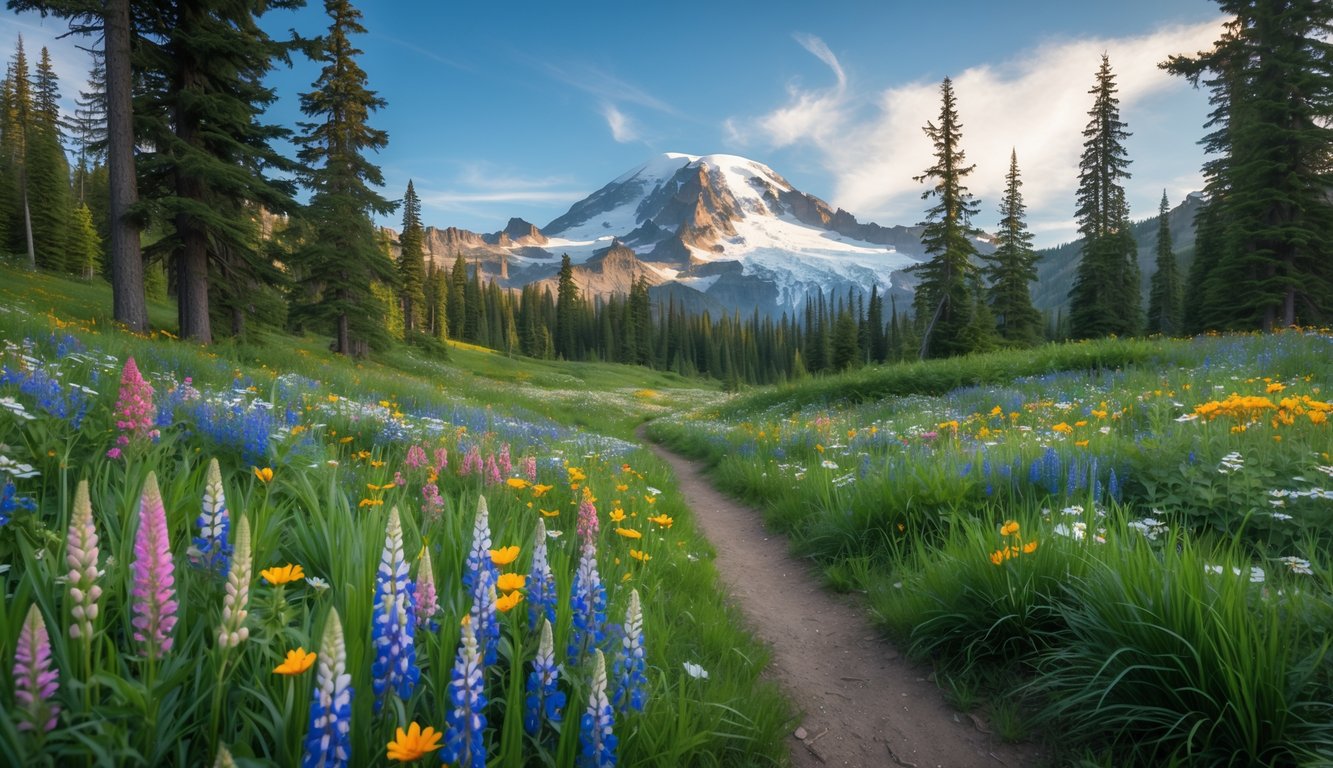
Each trail in the park offers something unique, from sweeping views to serene wildflower meadows. Trails like the Sunrise Nature Trail and Tipsoo Lake Loop are popular choices for those wanting easy access to these natural beauties. Whether navigating through open meadows or forested paths, hikers can enjoy various trails that showcase the park’s stunning floral diversity.
By choosing the right trail, visitors not only immerse themselves in nature’s splendor but also enjoy the added thrill of spotting wildlife amidst the blooms. Linking to some of the best hikes, like those detailed in this guide, can enhance the experience, offering insights into specific trails and their unique offerings.
When and Where to Experience Peak Wildflower Blooms
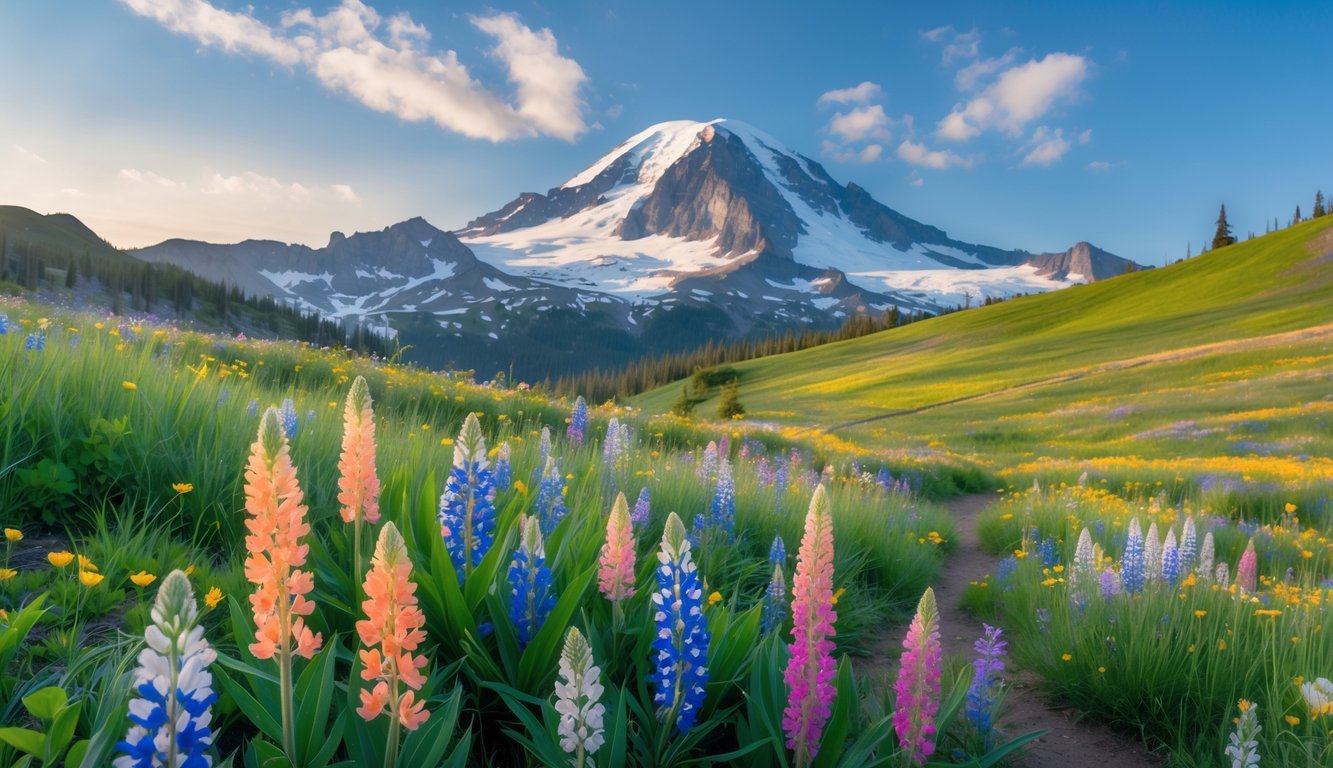
Peak wildflower season in Mount Rainier National Park is a breathtaking event, transforming the landscape into a colorful tapestry. The vibrant blooms are best experienced when timing and location align perfectly, creating unforgettable hiking experiences in select areas of the park.
Best Time for Wildflower Hikes
Wildflower blooms in Mount Rainier National Park typically reach their peak from late July to mid-August, when the subalpine meadows explode in colors. A variety of factors influence these timings, including weather conditions and snowfall. The optimal time to hike is when the snow has melted, allowing the wildflowers to flourish across the parkland. Visitors should aim to plan their hikes during this brief period to capture the meadows at their most vibrant. It’s crucial to check the current wildflower bloom status on the park’s website to ensure the best experience.
Top Regions for Wildflower Displays
Mount Rainier’s subalpine meadows are renowned for their stunning wildflower displays. Key areas such as Paradise, Sunrise, and Chinook Pass offer exceptional views. Paradise is known for its accessibility and striking vistas, making it a popular choice for visitors. Sunrise boasts the highest vehicle-accessible point in the park, providing otherworldly views and trails bursting with wildflowers. Chinook Pass, especially around Tipsoo Lake, enchants with its reflective water and colorful blooms. Other notable places include Mowich Lake, which requires a longer journey but rewards with serene beauty and plentiful flowers.
Popular Trailheads and Access Points
Several trailheads provide convenient access to Mount Rainier’s lush wildflower regions. Near the Sunrise Visitor Center, hikers can find trails like the Berkeley Park Trail and Sunrise Nature Trail. Paradise serves as the starting point for various trails, including Skyline Trail. For those heading to Chinook Pass, access points like Tipsoo Lake are must-visits. The park’s entrances play a pivotal role in accessibility; popular ones include the Nisqually Entrance and White River Entrance. Roads like Stevens Canyon Road and Sunrise Road enhance access, each leading to scenic areas where nature’s beauty is on full display.
Top Wildflower Hikes in Mount Rainier National Park
Mount Rainier National Park is a treasure trove of vibrant wildflower displays, especially in the summer months. From stunning alpine meadows to breathtaking panoramic views, hikers can explore these trails to witness nature’s colorful spectacle.
Skyline Trail and Paradise Meadows
The Skyline Trail offers an incredible hiking experience with panoramic views and blooming meadows. Nestled within the Paradise area, this trail is renowned for its diverse range of wildflowers, including lupines, bistort, and paintbrushes. Stretching across approximately 5.4 miles, the Skyline Loop Trail provides varied elevation changes that add both challenge and excitement. Hikers can admire sights such as Myrtle Falls and glimpses of Mount St. Helens on clear days. Strolling through this trail immerses visitors in fields that teem with vibrant blooms, making it a must-see for nature enthusiasts.
Naches Peak Loop and Tipsoo Lake
The Naches Peak Loop Trail is a favorite among visitors, offering a picturesque hike around Tipsoo Lake. Located near Chinook Pass, this 3.5-mile loop provides stunning views of Mount Rainier, especially as the sun rises or sets. Wildflowers dot the landscape, creating a colorful and serene atmosphere. Hikers often appreciate the easier trail access, which begins at the Tipsoo Lake parking lot. Along the way, hikers can explore reflective waters and lush meadows. The abundance of beargrass, penstemon, and other wildflower species make this route a popular choice for photographers and casual hikers alike.
Spray Park and Mowich Lake Trails
Spray Park Trail, located on the northwest side of the park, is a tranquil escape from the more crowded areas. The trail leads hikers through dense forests before reaching the sprawling open meadows filled with vibrant wildflowers. From late July, Spray Park blossoms with avalanche lilies, paintbrushes, and lupines. The trailhead begins near Mowich Lake, celebrated for its pristine beauty and crystal-clear waters. The route extends to places like Eunice Lake, offering additional glimpses of the park’s natural wonder. With ample opportunity for spotting wildlife, this trail is an adventurous choice for those seeking a more secluded wilderness experience.
Hidden Gems and Less-Crowded Wildflower Trails
Mount Rainier National Park is home to stunning but lesser-known trails where vibrant wildflowers abound without the overwhelming crowds. These trails offer hikers the chance to experience incredible floral displays alongside breathtaking views that tend to get overlooked.
Van Trump Park Trail and Indian Henry’s Hunting Ground
Van Trump Park Trail is an enchanting route leading to the serene setting of Indian Henry’s Hunting Ground. This trail presents a fantastic opportunity to enjoy wildflowers in a peaceful environment. The journey through the lush meadows is filled with colorful blooms, especially during mid-summer. Reaching Indian Henry’s Hunting Ground, explorers are greeted by the historical cabin and stunning vistas of Mount Rainier. The path requires a moderate level of fitness due to its elevation gain, but the reward is well worth the effort as it offers rare tranquility. For those adventurous enough to trek on this trail, they will find it offers a unique perspective on the rich natural beauty of the region.
Berkeley Park and Grand Park
The trails of Berkeley Park and Grand Park serve as a delightful destination for wildflower enthusiasts seeking solitude. Berkeley Park, accessed via the Sunrise area, is renowned for its peaceful atmosphere and vibrant wildflower displays in the high meadows. As hikers continue to Grand Park, they are met with expansive fields that appear endless against the backdrop of towering peaks. This area is particularly famous for its carpet of wildflowers and welcoming wildlife. Grand Park, known for its sweeping landscapes, provides ample opportunity for photography with its panoramic views. The beauty of these trails lies in their ability to combine raw nature with serenity, creating a must-visit spot for hikers.
Glacier Basin and Sourdough Ridge
The Glacier Basin Trail offers an invigorating hike starting from the White River Campground. This trail provides jaw-dropping views of glacial landscapes combined with the lively colors of wildflowers. As the path ascends, hikers may witness the impressive Emmons Glacier, complementing the floral beauty below. Meanwhile, Sourdough Ridge presents a less-trodden path with equally captivating sights. Located near the Sunrise area, it offers hilly terrain with diverse blooms thriving in rocky soils. These trails stand out for their ability to blend dramatic ridges with peaceful alpine meadows, making them an excellent choice for those searching for hidden wonders in Mount Rainier National Park.
Wildflower Species and Meadow Highlights
Mount Rainier National Park offers an array of vibrant wildflower displays across its numerous trails. Visitors can find meadows brimming with diverse blossoms and enjoy breathtaking mountain vistas as they explore the park.
Common Wildflower Species
Mount Rainier hosts a cornucopia of wildflowers that captivate the senses from late spring to mid-summer. Common species include lupine, bear grass, and avalanche lilies, each adding a unique touch to the landscape. Indian paintbrush bursts forth in fiery reds, contrasting with the delicate whites of glacier lilies. These flowers thrive in the park’s varied ecosystems, from lowland forests to high alpine meadows. The diverse conditions across the park foster a rich tapestry of color and form, showcasing the natural beauty of the region.
Colorful Meadow Displays
The park’s wildflower meadows, such as those around the Nisqually Glacier and Reflection Lakes, create a spectacular visual feast. Fields of flowers stretch as far as the eye can see, framed by towering trees and shimmering lakes. The seasonal bloom begins with delicate shoots peeking through the melting snow and culminates in a riot of colors by midsummer. Alpine meadows, located at higher elevations, offer an especially remarkable showcase of flora. These vibrant displays serve not only as a key attraction for park visitors but also as an important habitat for local wildlife.
Glacial Vistas and Mountain Views
In addition to floral displays, the wildflower hikes provide stunning vistas that include the Emmons Glacier and Panhandle Gap. These glaciers present a striking contrast to the colorful meadows, their icy forms providing a dramatic backdrop for the flowering scenes. The trails leading to such viewpoints also offer opportunities to witness breathtaking mountain views, where glacially carved peaks tower above the horizon. Hikers often find themselves pausing to take in the sights, where each vista tells a tale of nature’s grandeur, dotted with the vivid presence of wildflowers that thrive in these unique conditions.
Essential Tips for Enjoying Mount Rainier’s Wildflowers
Exploring the wildflower trails of Mount Rainier National Park can be a magical experience. Equipped with the right gear and respect for nature, hikers can enjoy breathtaking views of vibrant blooms like lupine, paintbrush, and glacier lilies under the majestic shadow of Mount Rainier.
Hiking Gear and Trail Conditions
To fully enjoy the beauty of Mount Rainier’s wildflowers, hikers should be prepared with appropriate gear. Sturdy hiking boots with good ankle support are essential to navigate uneven terrain and rocky paths found on popular trails like the Trailhead or those leading to Camp Muir. In addition to boots, consider lightweight, moisture-wicking clothing to stay comfortable in changing weather conditions, which can be unpredictable in the high alpine environments. As conditions often shift rapidly, a layered approach to clothing is ideal. Adding a rain jacket or windbreaker is a wise precaution.
Trail conditions can vary with seasonal changes, affecting the accessibility of certain routes, especially after rain. Checking trail updates online before embarking is crucial to ensure safety and enjoyment. Binoculars and a camera could enhance the experience, providing the perfect way to capture moments along the way.
Leave No Trace and Conservation
For anyone exploring the breathtaking wildflower meadows, practicing Leave No Trace principles is essential. This means packing out everything that is brought in, sticking to marked paths to avoid damaging delicate ecosystems, and refraining from picking flowers. The vibrant wildflowers, like those at Paradise Inn, rely on every aspect of their environment to maintain their vibrant blooms, so any disturbance can risk their long-term health.
Just as important is being respectful of the wildlife that calls Mount Rainier home. Keeping a safe distance from animals and not feeding them is vital. By conserving these natural habitats, future generations can continue to enjoy the spectacular wildflower displays.
Planning and Safety
Effective planning can greatly enhance the experience of hiking in Mount Rainier National Park. Determining the best time of year to visit, typically from July to September, capitalizes on full bloom conditions and reliable weather. A preparation plan should include a review of potential trail options, conditions, difficulty levels, and the location of amenities such as restrooms and water sources. The Skyline Trail, for instance, offers stunning views but includes steep sections that may require a bit of preparation for novice hikers.
Safety is paramount. Hikers should carry a map, first aid kit, and enough water and snacks to ensure they are prepared for unforeseen circumstances. Alerts from the park, like temporary closures, are helpful and should be checked frequently before setting out. Emergency whistles and multi-tools can be invaluable in situations where help might be far away. Always inform someone about the hiking plan and estimated return time for added security.
Getting the Most from Your Wildflower Hiking Adventure
Exploring the vibrant wildflower trails at Mount Rainier National Park is an unforgettable experience. Visitors can delight in breathtaking views, discover hidden gems, and even plan the perfect itinerary to make the most of the colorful spectacle.
Best Photo Spots and Viewpoints
Capturing the stunning landscapes is a must for any hiking adventure. Myrtle Falls provides a picturesque view of wildflowers with the majestic Mount Rainier as a backdrop. Panorama Point offers an unparalleled vantage point to observe the incredible Tatoosh Range and distant peaks like Mount Adams, Mount Hood, and Mount St. Helens. For those venturing further, Observation Rock grants a panoramic view of the surrounding wilderness, while Echo Rock surprises with its rugged beauty. These spots are perfect for photography enthusiasts looking to capture the park’s dramatic scenery alongside the colorful blooms.
Recommended Itineraries
To make the most of your visit, consider starting your journey at the Henry M. Jackson Visitor Center to gather trail maps and park information. For a full-day adventure, begin at White River Campground and hike to the wildflower-rich Pinnacle Peak Trail, where the vistas of valleys filled with flowers are awe-inspiring. For a shorter excursion, head to Longmire and embark on a loop that includes the iconic Grove of the Patriarchs, where ancient trees share the landscape with vibrant meadows. Whether seeking a challenging trek or a leisurely stroll, these itineraries cater to all fitness levels and showcase the park’s natural wonders.
Nearby Attractions
Extend your explorations beyond wildflowers by visiting fascinating nearby attractions. Ohanapecosh invites visitors to immerse themselves in lush old-growth forests and hot springs. The renowned Grove of the Patriarchs is a short drive from many trailheads, offering a tranquil escape among towering trees. For those looking to extend their adventure beyond the park, consider a visit to the stunning Mount Baker area or marvel at the impressive Mount Adams and Mount Hood. Each of these attractions adds dimension to a hiking trip, providing both serenity and the opportunity to connect with nature in varied landscapes.