
Early-Season Backpacking in Kootenai National Forest: Ultimate Guide
Early-Season Backpacking in Kootenai National Forest: Ultimate Guide
With the snow starting to melt and the first signs of spring peeking through, there’s no better time to explore the rugged wilderness of Kootenai National Forest. Early-season backpacking in this vast and untamed landscape offers hikers a chance to experience nature in its purest form. Trails come to life with vibrant blooms and the sounds of the forest waking from its winter slumber, making it a magical time for outdoor enthusiasts.
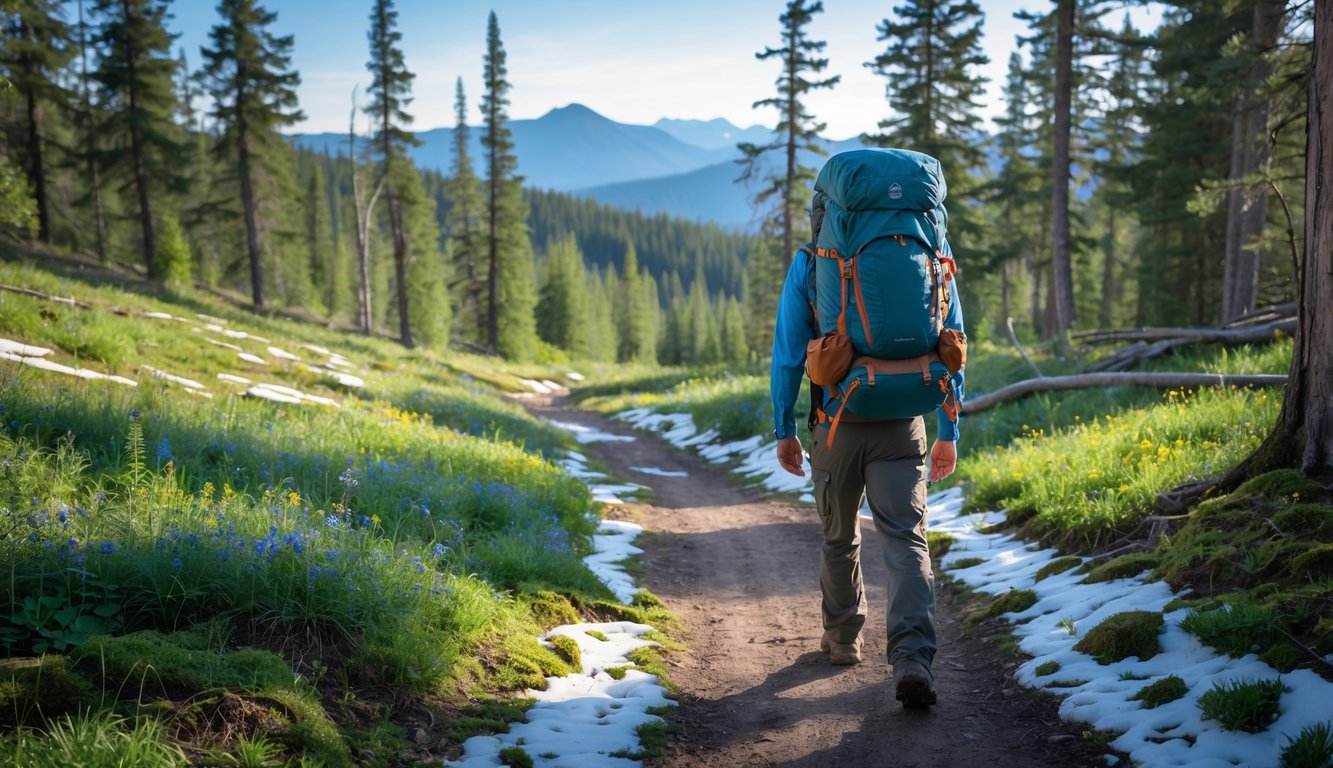
Kootenai National Forest covers over two million acres of diverse terrain, providing countless opportunities for both novice and seasoned backpackers to explore. The thrill of descending into lush valleys and climbing to secluded peaks is hard to resist. The area is not only home to stunning views but also rich with wildlife and a variety of ecosystems, from dense forests to crystal-clear lakes.
Adventure seekers heading to Kootenai National Forest should be prepared for quickly changing conditions. This remote corner of Montana is a treasure trove for adventure and discovery. Early-season travelers will find hiking trails that offer a unique experience, and they will leave with breathtaking memories of one of the most pristine areas in the United States.
Why Choose Kootenai National Forest for Early-Season Backpacking?
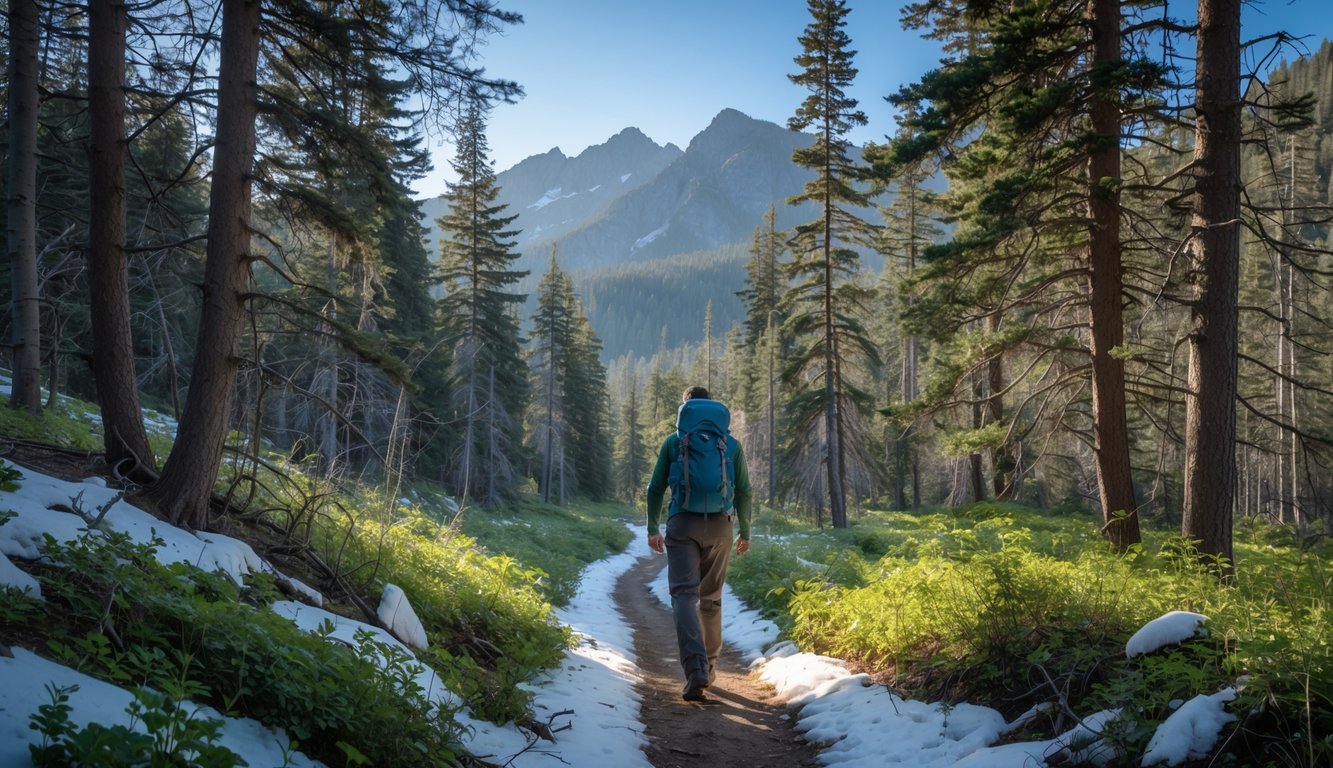
Kootenai National Forest offers a unique blend of wilderness features, breathtaking seasonal scenery, and a competitive edge over other Pacific Northwest destinations. For those eager to start their backpacking adventures early in the season, this forest stands out with its rich landscapes and well-maintained trails.
Unique Wilderness Features
Kootenai National Forest stretches over 2.2 million acres in Montana’s northwest corner, offering diverse terrains ranging from dense forest canopies to dramatic peaks and flowing rivers. Alpine lakes punctuate the landscape, providing ideal spots for a break or a scenic view. Unlike other places, such as the Goat Rocks Wilderness, Kootenai has trails that are less crowded, offering solitude and tranquility. The rugged terrain appeals to adventurers looking for a genuine wilderness experience, and its proximity to Canada adds a touch of cross-border allure.
Seasonal Highlights and Scenery
In early spring, the forest comes alive with the blossoming of wildflowers and the rejuvenation of its vibrant ecosystem. Trails such as the Ten Lakes Scenic Area, known for its 89 miles of rugged paths, become accessible and offer breathtaking views of the snow-capped peaks. The temperate climate provides a comfortable hiking experience, neither too hot nor overly cold. Rich with diverse wildlife, the forest offers opportunities to spot deer, elk, and various bird species, adding a dash of excitement to every trek.
Comparing Kootenai With Other Pacific Northwest Destinations
When stacking up against famed destinations in Washington and Oregon, Kootenai National Forest offers unique competitive advantages. For instance, while backpacking in Washington or exploring Oregon’s trails can be rewarding, these areas often face heavy foot traffic during peak seasons. In contrast, Kootenai provides a serene alternative, with fewer crowds and equally stunning landscapes. The vastness of the forest ensures that even on popular trails like the Star Gulch Trailhead, backpackers can enjoy the natural beauty without feeling cramped. This makes Kootenai an attractive choice for those eager to experience the Pacific Northwest’s splendor with a touch of privacy.
Top Early-Season Backpacking Routes in Kootenai
Exploring Kootenai National Forest during the early season offers thrilling adventures across stunning alpine lakes, rugged trails, and the breathtaking landscapes of the Cabinet Mountains Wilderness. These routes promise memorable backcountry camping experiences for those eager to embark on early-season backpacking trips.
Leigh Lake Trail Adventure
Leigh Lake Trail is a captivating journey into the heart of untouched wilderness. This moderate trail, approximately 3 miles long, leads adventurers to a picturesque alpine lake, perfect for early-season exploration. The trail winds through dense forests, with the occasional sighting of wildlife adding to the allure. As hikers ascend, they are greeted by stunning views of the surrounding peaks of the Cabinet Mountains. At the lake, crystal-clear waters offer a serene setting for backcountry camping. It’s an ideal spot for those looking to immerse themselves in nature without the bustling crowds. Remember to pack accordingly and respect Leave No Trace principles to preserve the pristine environment.
Rock Lake Trail and Waterfalls
The Rock Lake Trail features a spectacular encounter with cascading waterfalls along its path. This trek, which stretches over roughly 6 miles, starts with a gradual ascent through lush greenery. As hikers progress, they are rewarded with the sight of the dramatic waterfalls, especially vivid in the early season when melting snow increases water flow. The path eventually leads to Rock Lake, nestled amidst towering cliffs. The tranquil setting provides an excellent opportunity for camping, surrounded by the melody of distant water. Explorers can enjoy fishing or simply basking in the natural beauty that defines the Cabinet Mountains Wilderness.
Saint Paul Lake and Cabinet Mountains
Saint Paul Lake offers a rugged yet rewarding trail that immerses backpackers in the grandeur of the Cabinet Mountains. This trail, about 5 miles long, is known for its challenging terrain, requiring preparation and stamina. Adventurers will traverse forested paths and open meadows before reaching the breathtaking views of Saint Paul Lake. Located at the base of steep mountains, the lake is a perfect place for solitude and reflection. The area is renowned for its diverse wildlife and striking natural beauty, making it a top choice for an early-season backpacking trip. Remember to check trail conditions and be prepared for potential weather changes during the hike.
Lost Buck Pass Exploration
Lost Buck Pass is an exploration of intrigue and scenic panoramas. This trail, covering around 8 miles, offers a mix of challenging inclines and rewarding views. The pass itself provides a vantage point over the expansive Cabinet Mountains Wilderness, where hikers can enjoy sweeping vistas of distant peaks and valleys. The journey to the pass is marked by a variety of landscapes, from dense forests to open alpine meadows. While camping at high altitudes, backpackers can experience incredible starry nights and crisp mountain air. This route is perfect for those seeking a more immersive backcountry experience away from the usual paths. Always keep safety in mind, as rapid weather changes can occur.
Essential Permits, Passes, and Regulations
Planning a backpacking adventure in Kootenai National Forest requires understanding specific permits and regulations that ensure a safe and respectful experience in this stunning wilderness. From acquiring the right passes to following ethical guidelines, these elements are crucial for exploring the forest responsibly.
NW Forest Pass Requirements
The Northwest Forest Pass is essential for parking at trailheads within national forest lands in the Pacific Northwest, including some areas in the Kootenai National Forest. This pass supports maintenance and facilities, ensuring that visitors have access to well-kept amenities. Day use of facilities often requires this pass, which can be purchased online or at local vendors. Accessing trails without it may result in fines, so acquiring it is a key planning step.
A yearly pass offers greater flexibility for those making multiple visits, while a day pass might suit occasional hikers. Checking the Forest Service website before your trip helps ensure you’re equipped with all necessary passes, reducing unexpected hassles and enhancing your outdoor adventure.
Wilderness Permits and Trailhead Details
Backpackers aiming to explore the more remote sections, such as the Cabinet Mountains Wilderness, must be aware of permit requirements specific to these areas. Trailheads, like the popular Packwood Lake Trailhead leading to Packwood Lake Trail #78, often have regulations regarding group sizes and camping areas, which are crucial for preserving the natural environment.
Permits are available through various platforms, often requiring advance registration, particularly during peak seasons. Specific trails may have additional guidelines regarding fire usage or designated camping areas. By obtaining permits through platforms like Recreation.gov, adventurers ensure they comply with forest guidelines, supporting conservation efforts and maintaining accessible trails for all.
Leave No Trace Ethics
Respecting the land through Leave No Trace principles is vital when visiting Kootenai National Forest. These ethics include packing out all trash, minimizing campfire impact, and respecting wildlife. Such practices preserve the natural beauty and ecological balance of the forest, ensuring that future generations can enjoy the wilderness.
Hikers are encouraged to stay on marked trails to prevent erosion and avoid disturbing habitats. Proper food storage is important to avoid attracting animals and maintaining their natural behaviors. Every decision made while backpacking can impact the environment, and embracing these principles enhances both personal experiences and communal environmental health.
Planning Your Perfect Early-Season Trip
Embarking on an early-season backpacking adventure in the Kootenai National Forest is both thrilling and rewarding. Consider factors like weather patterns and trail conditions, and compare them with early-season spots in Washington and Oregon for a well-planned excursion.
Weather, Trail Conditions, and Timing
Spring in Kootenai National Forest offers transforming landscapes as snow melts away. The weather can be unpredictable, with chilly mornings and warm afternoons. Checking the forecast and communicating with local ranger stations ensures preparedness for these changes. Trails can be muddy and slippery from snowmelt, requiring appropriate gear like waterproof boots and trekking poles. Timing your trip during warmer weeks in spring increases success in navigating these conditions effectively, making your journey enjoyable.
Suggested Itineraries for Various Experience Levels
Kootenai presents routes catered to different expertise. For beginners, the Kootenai Falls & Swinging Bridge Trail provides an easy, scenic walk featuring picturesque waterfalls. More experienced backpackers might explore the Cabinet Mountains Wilderness, which offers challenging paths like Rock Creek Trail. Individuals seeking an intermediate option can try the Lake Koocanusa Scenic Byway for its breathtaking vistas and moderate difficulty. Aligning your selection with your experience level maximizes both safety and enjoyment during the trip.
Comparisons: Early-Season Backpacking in Washington & Oregon
Comparing Kootenai to backpacking experiences in Washington and Oregon reveals distinct opportunities. Washington’s Ancient Lakes Loop offers a unique desert landscape, while Packwood Lake in Washington is known for its pristine water views. In Oregon, hikers can explore the stunning but challenging Eagle Creek Trail. These varied environments allow for diverse experiences, depending on preference for coastal forests, alpine lakes, or rugged wilderness. Each destination promises unique wildlife sightings and natural beauty, making them worth exploring when planning early-season adventures.
Gear and Safety Strategies for Spring Adventures
Springtime in the Kootenai National Forest brings the challenge of unpredictable weather and variable trail conditions. Outdoor enthusiasts must prepare for snowy terrain, ensure bear safety, and navigate tricky routes effectively.
Must-Have Gear for Snowy or Wet Conditions
Hikers venturing into early-season trails must equip themselves with gear suited for lingering snow and slushy pathways. Items like microspikes are vital, offering the essential grip needed on icy sections. Water-resistant clothing is a must to shield against unexpected rain showers and melting snow.
A reliable tent designed for backcountry camping is key, ensuring shelter from wet conditions. Prioritizing gear that is lightweight yet durable will ease long treks. Additionally, hiking poles aid stability, especially on slippery surfaces, and a waterproof backpack keeps all items dry and secure.
Food, Water, and Bear Safety
Proper nourishment and hydration are crucial to endure long hikes. Hikers should carry high-calorie snacks and a sturdy water filtration system. Staying hydrated can make a significant difference in energy levels and overall enjoyment of the adventure.
Bear safety cannot be overstated in this region. Keeping a bear spray within easy reach during the hike is wise. While backpacking, food should be stored in bear canisters to prevent wildlife from being attracted to camp. Cooking and food storage areas should be at a safe distance from sleeping quarters.
Route-Finding and Navigation Tips
Embarking on spring adventures requires an adaptable approach to navigation. Snow can obscure paths, making physical and digital maps essential tools. High-quality topographical maps, such as those provided by the Kootenai National Forest, are indispensable.
Using a GPS device or a reliable map app, hikers can ensure they stay on course. It’s also smart to have a compass as a backup. Before setting out, the latest trail reports should be reviewed to avoid blocked trails or hazardous areas. Understanding trail markers and having a basic knowledge of the area’s geography will enhance confidence and safety on the trail.
Exploring Iconic PNW and Related Destinations
Venturing through the Pacific Northwest offers a spectacular array of trails and breathtaking landscapes. Iconic routes such as Packwood Lake and Goat Rocks Wilderness, the Olympic Peninsula, and enchanting valleys provide endless opportunities for exploration. These destinations are perfect for anyone looking to experience the diverse beauty of the region.
Inspiration: Packwood Lake & Goat Rocks Wilderness
Packwood Lake is a pristine gem nestled within the forested landscapes, offering calm waters ideal for a reflective escape. The area around Johnson Peak presents stunning vistas that capture the soul of the wilderness.
Nearby, Goat Rocks Wilderness amazes visitors with its rugged alpine terrain. Trails wind through meadows filled with vibrant wildflowers, leading to awe-inspiring views of jagged peaks. Hikers often find delight in the adventure of crossing small streams and observing local wildlife. These regions serve as ideal spots for nature enthusiasts seeking solitude or inspiration from the awe-inspiring beauty of the area.
Exploring the Olympic Peninsula and Hoh River Trail
The Olympic Peninsula is home to diverse ecosystems and breathtaking natural beauty. Each corner of this region reveals something unique, from moss-draped rainforests to dramatic coastal scenery.
One of the highlights here is the Hoh River Trail, which leads adventurers through lush woodland filled with ferns and towering trees. With every step along this trail, explorers find themselves deeper in a world of emerald greens and vibrant wildlife sounds. Those venturing further can reach the Blue Glacier, an icy reward after a trek bursting with surprises and wonder. The ever-present potential for encountering majestic elk adds an extra thrill to this memorable journey.
Alpine and Enchanted Valleys Worth Visiting
Venturing into the alpine terrain, hikers explore valleys that enchant with their captivating beauty. Places like the Seven Lakes Basin Loop invite visitors to marvel at a series of sparkling lakes.
In contrast, the Enchanted Valley offers a lush, vibrant landscape. At the heart of this area, the historic Enchanted Valley Chalet invites explorers to ponder over the echoes of past days. Rivers rushing past and waterfalls cascading down rock faces craft a vivid tableau of nature’s artistry. Those visiting Agnes Island embrace the tranquility, making each moment in these alpine retreats feel like an escape into a living fairy tale.