Fall Camping Gear Upgrades: Stay Warm and Comfortable
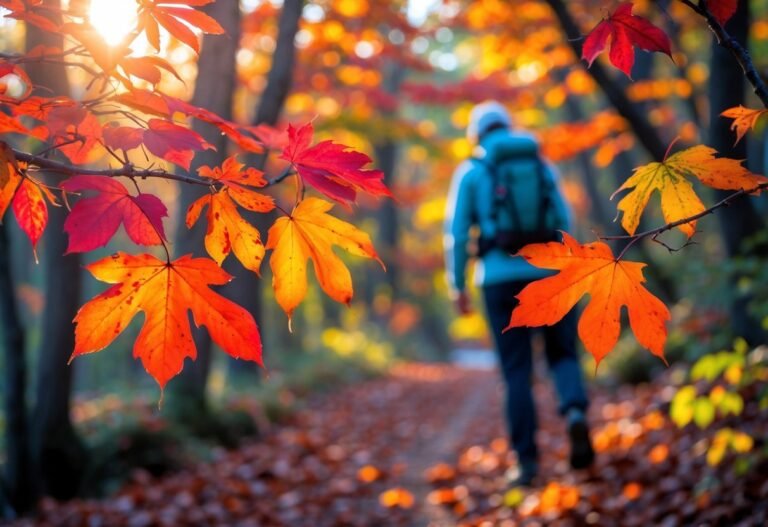
Fall camping brings crisp air, colorful leaves, and peaceful campgrounds with fewer crowds. However, the unpredictable weather and cooler temperatures require better preparation than summer outings. The right gear makes all the difference between a miserable night and a cozy autumn adventure.
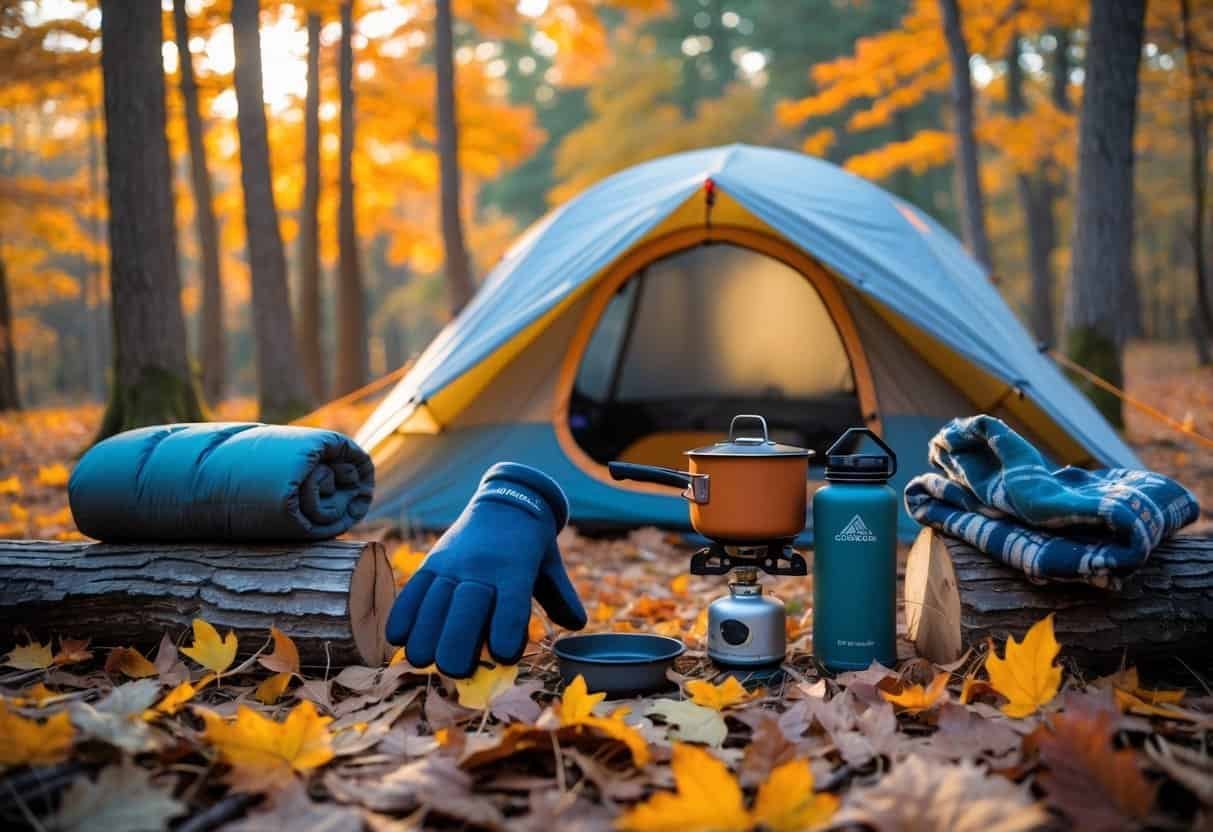
Upgrading your camping essentials for fall means focusing on warmth, weather protection, and versatility as temperatures can swing dramatically between day and night. A quality 3-season tent with a full rainfly provides shelter from unexpected rain, while a properly rated sleeping bag keeps you toasty during those chilly nights.
Beyond the basics, smart fall campers invest in layering systems that adapt to changing conditions. Merino wool base layers, insulated midlayers, and waterproof outer shells create a customizable system that works whether the day turns surprisingly warm or unexpectedly cold. These strategic upgrades transform fall camping from a potential challenge into a comfortable seasonal highlight.
Key Fall Camping Gear Upgrades for Warmth and Comfort
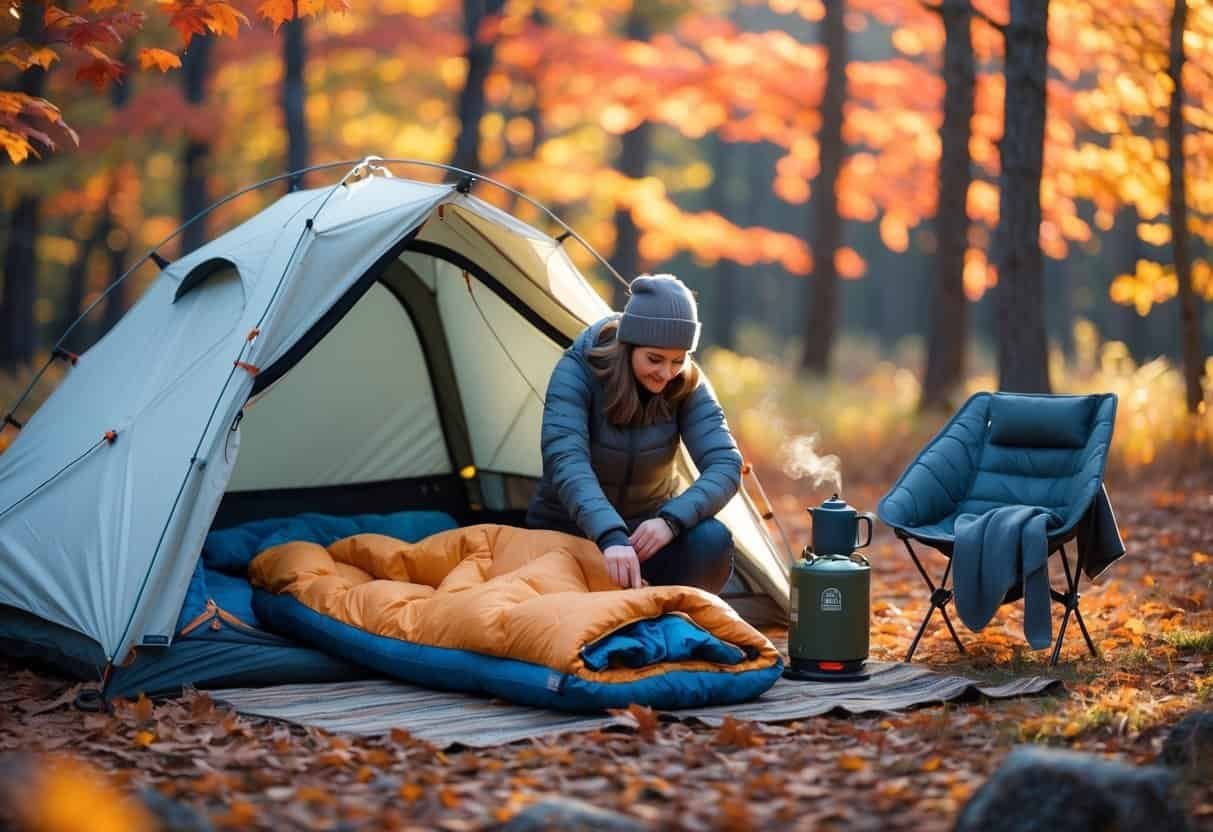
Fall camping requires specialized gear to handle temperature drops and unpredictable weather. The right equipment makes the difference between a miserable experience and a cozy outdoor adventure in autumn’s beautiful scenery.
Three-Season Tent and Rainfly
A quality three-season tent forms the foundation of comfortable fall camping. Look for models with a full-coverage rainfly that extends to the ground on all sides to prevent water seepage during autumn showers.
Mesh panels should have zippered covers to block wind while still allowing ventilation when needed. This balance helps manage condensation that occurs more frequently in cooler weather.
Aluminum poles offer better stability against fall winds compared to fiberglass alternatives. Consider tents with a vestibule for storing wet gear outside your sleeping area.
Setup time matters when daylight hours are shorter, so practice assembly before your trip. A footprint (ground tarp) is essential to provide additional insulation from the cold ground and protect your tent floor from moisture damage.
Cold-Weather Sleeping Bag
Temperature ratings are crucial when selecting a sleeping bag for autumn camping. Choose a bag rated 10-15°F below the lowest temperatures you expect to encounter.
Key features to look for:
- Mummy shape to minimize heat loss
- Draft collar around the neck area
- Insulated hood that can be tightened
- Full-length draft tube along the zipper
Down-filled bags provide superior warmth-to-weight ratio but lose insulating properties when wet. Synthetic options maintain insulation even when damp, making them reliable for fall’s unpredictable weather.
Consider the bag’s shell material too. Water-resistant outer fabrics help protect insulation from morning condensation. Always store your sleeping bag uncompressed when not in use to maintain loft and insulating ability.
Insulated Sleeping Pad
An insulated sleeping pad is non-negotiable for fall camping. The R-value (insulation rating) becomes critical as ground temperatures drop, with higher values providing better insulation.
For fall conditions, look for pads with an R-value of at least 4.0. Air pads with reflective materials or foam insulation offer the best balance between comfort and thermal protection.
Self-inflating pads combine open-cell foam with air chambers for reliable insulation and are less prone to complete failure if punctured. Some campers layer pads, using a closed-cell foam pad beneath an air pad for maximum ground insulation.
Consider the pad’s thickness and surface texture. A 2-3 inch thickness provides better comfort on hard or uneven surfaces, while textured or baffled surfaces help prevent sleeping bag slippage during the night.
Sleeping Bag Liner
A sleeping bag liner is among the most underrated pieces of fall camping gear. This lightweight addition can increase your sleeping bag’s temperature rating by 5-15°F depending on the material.
Liner material options:
- Silk (lightweight, adds 5-10°F)
- Thermal synthetics (adds 10-15°F)
- Fleece (bulkier but very warm, adds 12-15°F)
- Merino wool (excellent temperature regulation)
Beyond warmth, liners keep your sleeping bag clean, extending its life and performance. They’re easier to wash than sleeping bags and create a hygienic barrier when using rental equipment.
Some liners feature a hood design that integrates with your sleeping bag for maximum heat retention. The versatility of liners makes them valuable in varying conditions—use alone in warmer weather or as a supplement during cold nights.
Must-Have Layering and Clothing for Fall Camping
Fall camping demands strategic clothing choices to handle temperature swings and unpredictable weather. Proper layering creates a versatile system that regulates body temperature while protecting you from cold, wind, and rain.
Merino Wool Base Layers
Merino wool stands as the premier base layer material for fall camping due to its exceptional temperature-regulating properties. Unlike synthetic materials, merino wool remains warm even when wet and naturally resists odors, allowing for extended wear between washes.
Look for lightweight or midweight merino tops and bottoms depending on expected temperatures. The ideal weight is 150-250g/m² for fall conditions.
Key benefits of merino wool base layers:
- Natural moisture-wicking properties
- Excellent temperature regulation
- Odor resistance for multi-day trips
- Soft feel against skin (non-itchy)
- Quick-drying capabilities
For maximum comfort, choose base layers with flat seams and a slight stretch component to allow freedom of movement during hiking and camp activities.
Midlayer Jacket
The midlayer provides crucial insulation between your base layer and outer shell. For fall camping, fleece and down options offer excellent versatility.
Recommended midlayer options:
- Lightweight down jacket (600-800 fill power)
- High-loft fleece pullover or jacket
- Synthetic insulated jacket (maintains warmth when wet)
The ideal midlayer should compress easily for packing yet provide substantial warmth when temperatures drop at night. Look for features like zippered pockets, adjustable hems, and a snug collar to prevent heat loss.
Consider packability as a key factor – your midlayer should fit comfortably in your pack when not needed during warmer daytime hours.
Waterproof Outer Layer
A quality waterproof shell is non-negotiable for fall camping when rain and wind can quickly turn uncomfortable conditions dangerous. The best outer layers balance waterproofing with breathability.
Look for jackets with these features:
- Waterproof rating of at least 10,000mm
- Breathability rating of 10,000g+
- Fully taped seams
- Adjustable hood that fits over a hat
- Ventilation zips for temperature control
A weather-resistant shell jacket should be roomy enough to fit over your other layers without restricting movement. Consider bringing waterproof pants as well for complete protection during extended rainfall.
Pit zips and adjustable cuffs allow for customized ventilation when activity levels change during hikes or camp chores.
Wool Socks and Warm Hat
Cold extremities can ruin an otherwise pleasant camping experience. Proper foot and head protection is essential for maintaining overall body warmth.
Quality wool socks should be packed in multiple pairs. Look for socks with:
- Merino wool blend (at least 50% wool content)
- Reinforced heel and toe areas
- Light cushioning underfoot
- Seamless toe construction to prevent blisters
Hiking boots with waterproof membranes complement good socks by keeping feet dry in wet conditions.
A warm hat is crucial as up to 30% of body heat escapes through an uncovered head. Choose a merino wool or fleece beanie that covers your ears completely. Consider bringing both a lighter daytime option and a heavier insulated hat for sleeping.
Add lightweight gloves to your kit for complete extremity protection during chilly mornings and evenings around camp.
Essential Lighting and Fire Solutions
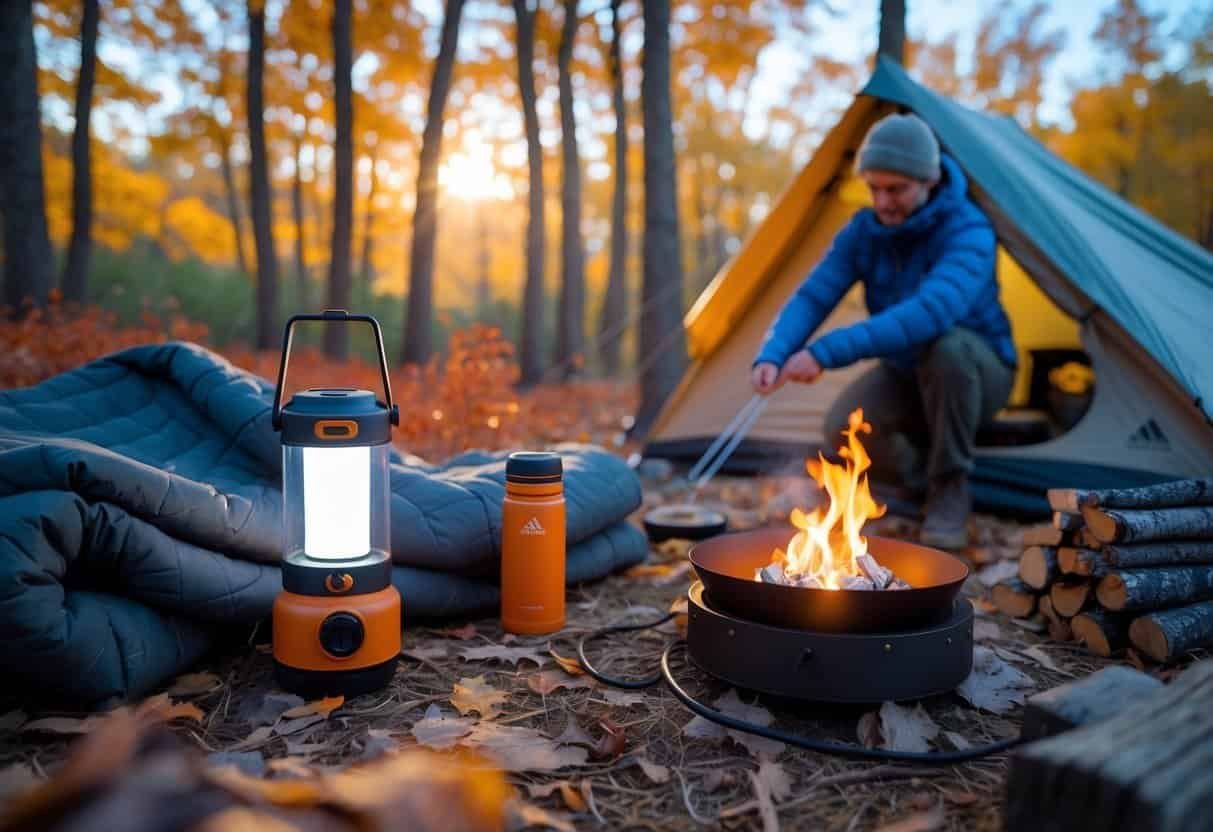
Proper lighting and fire management are crucial elements for comfortable fall camping. Good light sources keep your campsite functional after sunset, while safe fire practices provide both warmth and ambiance during cool autumn evenings.
Headlamp Essentials
A reliable headlamp is perhaps the most important lighting tool for fall camping. Look for models with at least 250-300 lumens for adequate brightness on darker fall evenings.
Rechargeable headlamps offer environmental and cost benefits, though models with replaceable batteries provide reliable backups for longer trips. The Leatherman Signal multi-tool includes both a flashlight and fire starter, making it a versatile addition.
Features to prioritize include:
- Multiple brightness settings (high beam for trail navigation, low beam for reading)
- Red light mode to preserve night vision
- Water resistance (IPX4 rating or higher)
- Adjustable head strap for comfort
Consider packing a backup headlamp, as autumn’s shorter days mean more reliance on artificial light.
Lanterns and String Lights
Area lighting transforms a dark campsite into a functional, welcoming space. Modern rechargeable LED lanterns provide bright, efficient illumination with minimal weight penalty.
The Zmnt Rechargeable LED Camping Lantern features a built-in carabiner that allows it to hang from tent ceilings, creating overhead lighting. Look for lanterns with multiple brightness settings and hanging hooks.
String lights add both practical lighting and atmosphere to your campsite. Solar-powered options eliminate battery concerns, though they require direct sunlight to charge effectively.
For maximum versatility, bring:
- 1 bright lantern for meal preparation and camp tasks
- 1-2 smaller lanterns for tent and bathroom trips
- 15-20 feet of LED string lights for ambient lighting
Battery-powered options remain more reliable during fall’s cloudy days when solar charging might be limited.
Firewood and Campfire Safety
Fall camping often revolves around the campfire, requiring proper preparation and safety practices. Many campgrounds restrict bringing outside firewood to prevent pest spread, so research local regulations before your trip.
Purchase firewood from approved local vendors or the campground host. Store it under a tarp to keep it dry during autumn’s unpredictable weather patterns.
Essential campfire safety equipment includes:
- Heat-resistant gloves for handling burning logs
- Metal poker for adjusting the fire
- Portable fire ring if camping in areas without established fire pits
- Shovel for emergency extinguishing
Always maintain a 5-foot clear radius around your fire and never leave it unattended. Campfire safety becomes even more crucial during fall when dry leaves can easily catch stray embers.
Waterproof Matches and Fire Starters
Reliable fire-starting tools are critical during fall’s potentially damp conditions. Waterproof matches provide dependable ignition even in wet weather, but should be supplemented with multiple starting methods.
A ferrocerium rod (ferro rod) creates hot sparks in any weather condition and never runs out of fuel. The Leatherman Signal multi-tool includes a ferro rod specifically designed for camping needs.
Effective tinder options include:
- Cotton balls soaked in petroleum jelly (store in waterproof container)
- Dryer lint packed in egg carton sections
- Commercial fire starters (reliable but more expensive)
- Fatwood sticks (naturally resinous kindling that ignites easily)
Pack these materials in waterproof containers and keep them separate from your main supplies. This ensures you’ll always have dry fire-starting materials, even if other gear gets wet during fall showers.
Upgraded Cooking Gear and Food Preparation
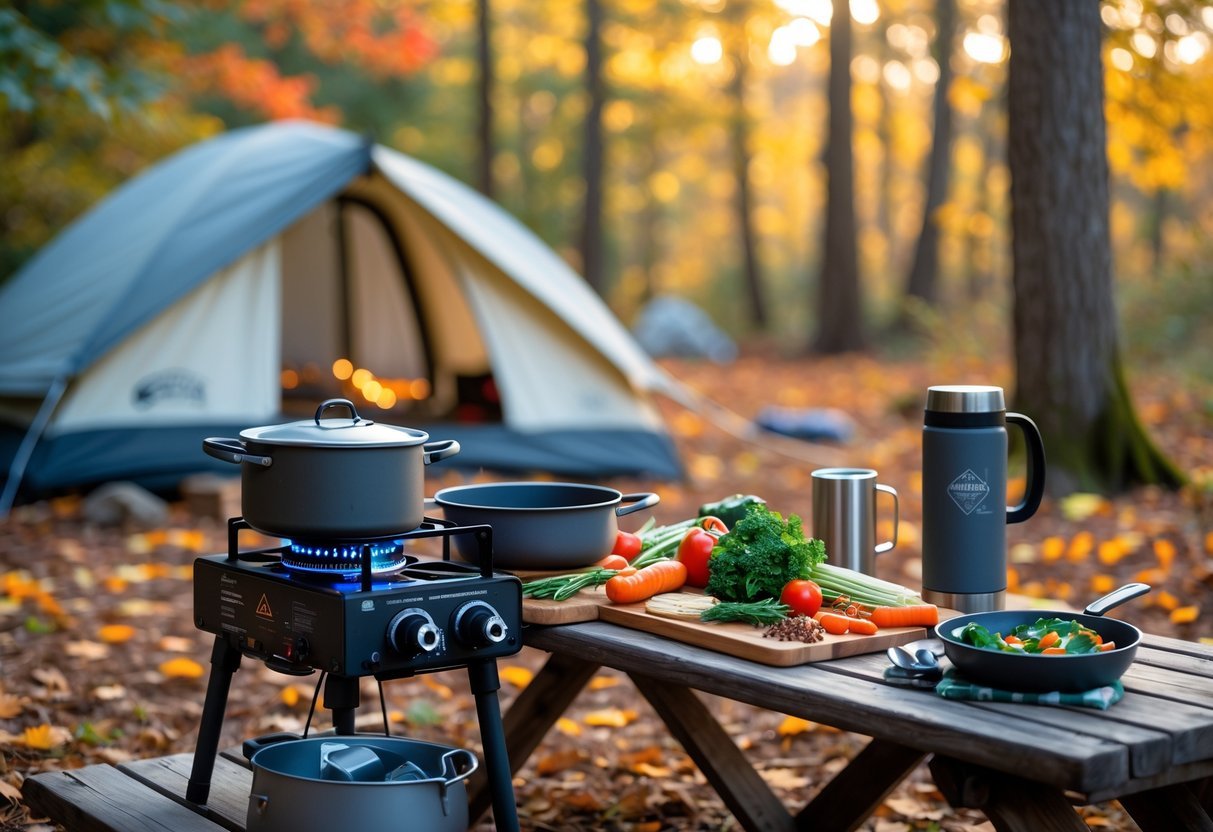
Fall camping demands better food prep tools to handle cooler conditions and shorter daylight hours. Quality cooking equipment makes a significant difference in both comfort and enjoyment when temperatures drop.
Reliable Camp Stove
A dependable camp stove becomes essential during fall camping trips when temperatures drop and cooking over an inconsistent campfire becomes less practical. Look for dual-burner stoves with wind protection for group cooking or compact single-burner options for solo adventures.
Propane stoves offer excellent temperature control and reliability in varied weather conditions. Models with integrated igniters eliminate the need for matches, which can be difficult to use in damp fall conditions.
Wind shields are particularly valuable in autumn when breezes are common. They improve fuel efficiency and cooking speed significantly.
For car camping, consider a stove with adjustable legs to create a level cooking surface on uneven ground. Backpackers should prioritize lightweight models that pack down small but still deliver consistent heat output.
Insulated Mugs for Hot Drinks
Insulated mugs are non-negotiable for fall camping when warm beverages provide essential comfort. Double-walled vacuum-sealed options can keep coffee, tea, or cocoa hot for 4-6 hours even in cold weather.
Look for mugs with secure, leakproof lids to prevent spills when moving around camp. Wide-mouth designs make drinking and cleaning easier while accommodating thicker beverages like hot chocolate with marshmallows.
Stainless steel models offer exceptional durability for rugged outdoor use. Some premium mugs include features like collapsible handles or nesting designs to save pack space.
A good capacity range is 12-16 ounces – large enough to hold a satisfying amount but not so large that drinks cool before finishing. Some campers prefer insulated water bottles that can double as hot drink containers.
Quick-Dry Towels
Microfiber quick-dry towels solve multiple problems at fall campsites. They absorb several times their weight in water yet wring out almost completely dry, making them perfect for dish cleanup and food prep.
These specialized towels dry significantly faster than cotton alternatives – a crucial advantage when camping in cooler fall temperatures when evaporation happens more slowly.
Look for antimicrobial versions that resist mildew and odors, especially important when towels might not fully dry between uses in damp autumn conditions.
Pack multiple sizes: small versions for wiping cooking surfaces and utensils, medium for hand drying, and larger versions for major spills or cleanup tasks. Many come with convenient hanging loops to attach to backpacks or tree branches for drying between uses.
Cooking Utensils and Storage
Specialized camp cooking utensils make meal preparation more efficient in challenging fall conditions. Silicone-tipped tools protect non-stick cookware while resisting high temperatures and cleaning easily.
Multi-tool utensils that combine spoon, fork, knife, and bottle opener functions reduce pack weight and save valuable space. Foldable designs further enhance portability.
For food storage, airtight containers prevent moisture from ruining dry ingredients in humid fall conditions. Collapsible silicone containers save space when not in use yet provide stable storage when needed.
Bear-proof food storage becomes even more important in fall when animals are actively preparing for winter. Hard-sided food containers or proper hanging systems protect both your provisions and local wildlife.
Meal planning with pre-chopped ingredients in reusable bags reduces preparation time at camp, allowing for quicker cooking as daylight hours shorten during autumn months.
Staying Comfortable Around Camp
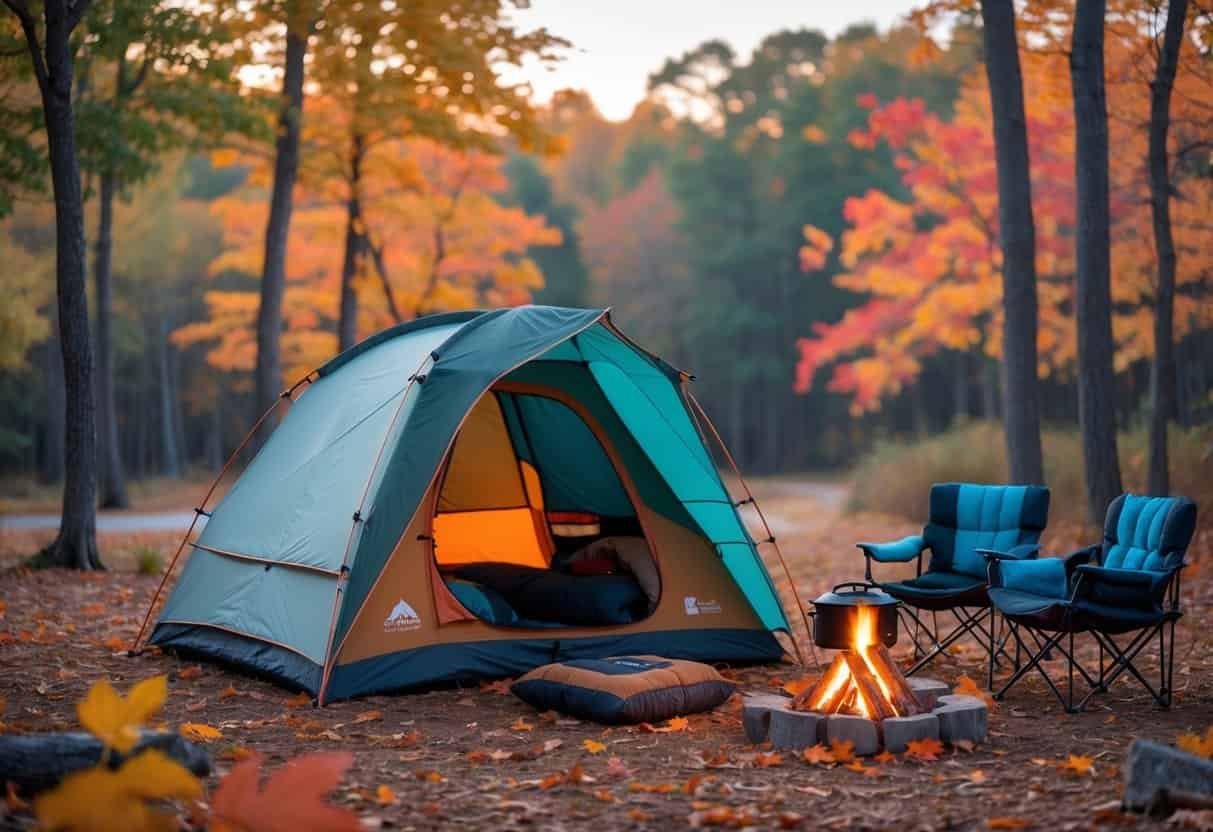
The key to enjoying fall camping is creating a cozy home base that shields you from chilly temperatures. Thoughtful gear selections for sitting, sleeping, and moving around camp can transform your outdoor experience when temperatures drop.
Camp Chairs for Relaxation
A quality camp chair serves as your base of operations around camp. Look for options with insulated seats or built-in padding to create a barrier between you and the cold ground.
Chairs with cup holders and side pockets keep essentials within reach, reducing trips across cold terrain. Some models feature adjustable reclining positions for afternoon naps or stargazing.
For fall camping, consider chairs with higher weight capacities (300+ pounds) as they typically offer better stability on uneven ground. Aluminum frames provide durability without excessive weight.
Packability matters too. Collapsible chairs with carrying cases make transportation easy, while compact folding designs save precious vehicle space for other cold-weather gear.
Fall Chair Features to Prioritize:
- Insulated seat material
- Sturdy frame construction
- Weather-resistant fabric
- Built-in storage options
- Easy setup/breakdown
Camp Pillow and Sleeping Comfort
A dedicated camp pillow dramatically improves sleep quality in cooler weather. Compressible options with microfiber or memory foam fillings provide remarkable comfort while packing down small.
Insulated pillowcases add warmth where it matters most—around your head. Some pillows feature hybrid designs with soft tops and inflatable bases that balance comfort and packability.
Consider pillow height and firmness based on your sleeping position. Side sleepers need thicker pillows, while back sleepers require medium support.
For unexpected temperature drops, look for pillowcases with pocket compartments where you can insert hand warmers. This simple addition can provide hours of gentle warmth around your head.
Pillow Buying Guide:
- Weight: Under 6 oz for backpacking, under 16 oz for car camping
- Packed size: Should compress to the size of a water bottle or smaller
- Cover material: Moisture-wicking fabrics prevent that clammy feeling
Camp Slippers and Footwear
Dedicated camp slippers make midnight bathroom trips and morning coffee preparation much more pleasant. Look for insulated options with rubber soles for protection from wet ground and sharp objects.
Down-filled slippers offer exceptional warmth-to-weight ratios, while fleece options dry more quickly if they get damp. Many feature collapsible heel sections for easy on/off inside a tent.
Keep a dedicated pair of thick wool socks exclusively for sleeping. This “sleep socks” approach ensures you always have dry, warm footwear for the coldest hours of night.
Waterproof footwear becomes crucial in fall when morning dew and occasional frost cover the campsite. Consider slip-on rubber boots for quick errands around camp when full hiking boots feel excessive.
Critical Safety and Hydration Essentials
When venturing into autumn wilderness, your safety gear and hydration solutions become even more crucial as temperatures drop and conditions change. Proper preparation in these areas can make the difference between a memorable adventure and a dangerous situation.
First Aid Kit Preparation
A comprehensive first aid kit is non-negotiable for fall camping trips. Start with a waterproof container that includes bandages, antiseptic wipes, and adhesive tape for minor injuries. Add pain relievers, antihistamines, and any personal medications.
For fall-specific concerns, include items to address hypothermia risks:
- Emergency thermal blankets
- Hand warmers
- Moleskin for blisters (more common when wearing heavier socks)
- Burn treatment supplies for campfire accidents
Customizing your first aid kit based on your destination and activities increases safety. If hiking in remote areas, add a snake bite kit and splint materials.
Check expiration dates before each trip and replace used items promptly. Consider taking a wilderness first aid course to maximize your ability to handle emergencies effectively.
Water Filters and Hydration
Staying properly hydrated is vital even in cooler weather. Dehydration can occur regardless of temperature and may actually go unnoticed when it’s not hot outside.
A reliable water filter system ensures safe drinking water from natural sources. Look for models that:
- Remove bacteria and protozoa
- Filter at least one liter per minute
- Function in near-freezing conditions
- Include a backwash feature to extend filter life
Carrying insulated water bottles prevents freezing during cold nights. Fill them with hot water before bed for dual use as both hydration and a sleeping bag warmer.
Remember to drink consistently throughout the day, even when not feeling thirsty. The cooler weather can mask your body’s hydration cues, making scheduled drinking necessary.
Emergency Preparedness
Fall weather can change rapidly, making emergency preparedness critical. Always carry a fully charged phone and backup power bank protected in waterproof containers.
Essential emergency items include:
- Whistle for signaling (three short blasts indicate distress)
- Waterproof matches and fire starters
- Compass and physical map (don’t rely solely on electronics)
- Emergency shelter like a bivy sack or tarp
- Reflective markers for visibility
Learning how to stay warm and dry is fundamental to fall camping safety. Practice using your emergency gear before your trip so you can deploy it quickly if needed.
Share your detailed trip plan with a trusted person not on the trip. Include expected return time and agreed-upon steps if you don’t check in by a certain time.