
The Ten Essential Items Every Hiker Needs
When venturing into the great outdoors, preparedness is crucial. Hikers must equip themselves with essential gear to ensure safety, comfort, and efficiency during their excursions. Here are the ten indispensable items that every hiker should carry.
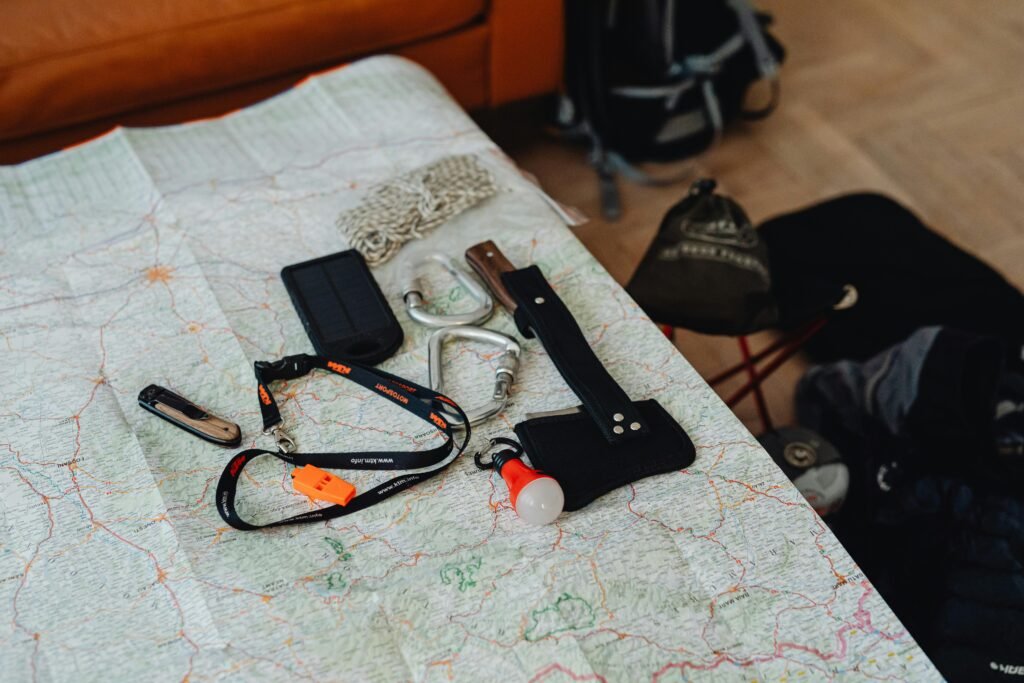
1. Navigation Tools: A reliable map, compass, or gps are fundamental for any hiking trip. Although modern GPS devices are popular, traditional navigation tools do not rely on batteries and can guide hikers through unfamiliar terrain effectively. It is essential to know how to read a map and use a compass, as this skill can prove invaluable in emergency situations.
2. Hydration Systems: Staying hydrated is vital for maintaining energy levels while hiking. Hikers should carry adequate water in reusable water bottles or hydration packs. Additionally, water purification methods, such as tablets or filters, can be essential when accessing natural water sources.
3. First Aid Kit: A well-stocked first aid kit is a critical item for addressing minor injuries and common ailments. This kit should include band-aids, antiseptic wipes, pain relievers, and any personal medications. Understanding how to administer basic first aid can enhance safety throughout any hiking venture.
4. Fire-Starting Tools: Being able to start a fire is essential for warmth, cooking, and signaling for help in an emergency. Fire-starting tools, such as waterproof matches, lighters, and fire starters, should be stored in an accessible and secure manner.
5. Multi-tool or Knife: A multi-tool or a sturdy knife is versatile for various tasks, including food preparation, repairs, and first aid. The convenience of having multiple tools in one compact design makes it an invaluable piece of hiking gear.
6. Emergency Shelter: Even on day hikes, conditions can change rapidly. Carrying a lightweight emergency shelter, like a space blanket or tarp, can provide protection from the elements should unexpected weather arise.
7. Extra Clothing: Temperature fluctuations can occur in outdoor environments. Packing extra layers, such as thermal clothing and rain gear, helps hikers be prepared for sudden changes in weather conditions.
8. Food Supply: Nutrition plays a significant role in maintaining energy and focus. Hikers should carry high-energy snacks, such as nuts and energy bars, to sustain them during their journey.
9. Headlamp or Flashlight: A reliable light source is essential for hiking before dawn or after sunset. A headlamp allows for hands-free operation, illuminating the path and ensuring safety during low-light conditions.
10. Whistle: A whistle can be an incredibly effective signaling tool in emergencies. It requires no batteries and can be heard over long distances, making it much easier to attract attention when help is needed.
These essential items form the foundation of a hiker’s preparedness strategy. By effectively utilizing and maintaining these tools, hikers can increase their chances of a safe and enjoyable outdoor experience.
Tips for Packing and Organizing Essential Gear
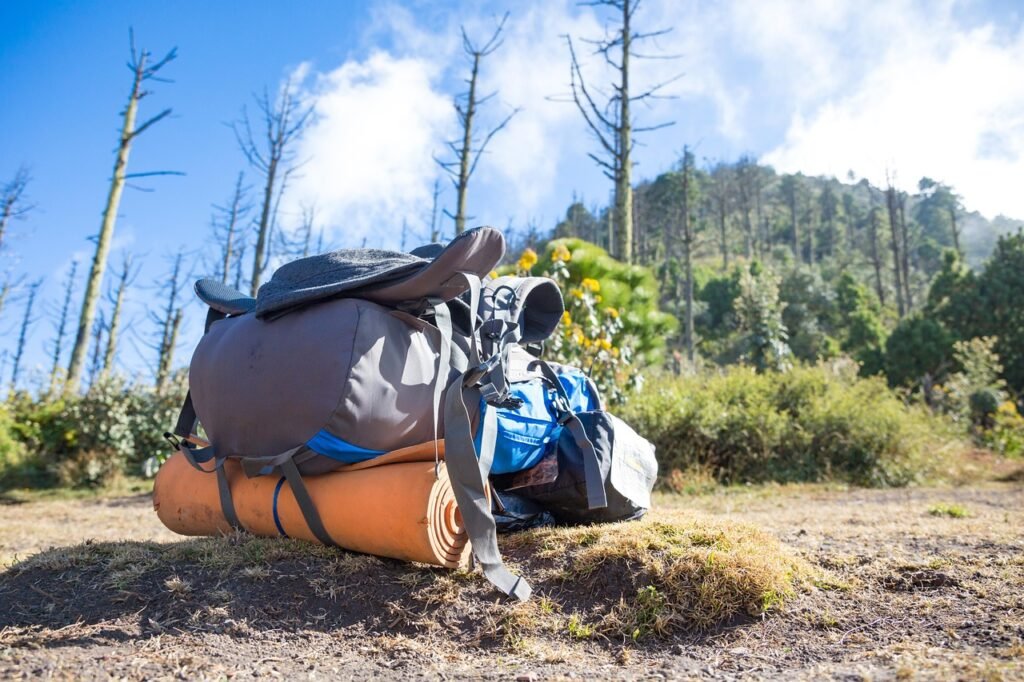
Packing and organizing hiking gear efficiently is critical for a successful and enjoyable outdoor experience. To begin with, understanding weight distribution within your backpack can significantly affect your comfort and balance while hiking. Heavier items, such as water and food, should be placed close to your back and near the center of your pack to maintain a low center of gravity. Lighter items can be stored towards the top or in external pockets for easy access. This strategic organization not only enhances balance but also minimizes strain during long hikes.
Accessibility is another vital aspect of packing. Essential items such as maps, snacks, and first-aid kits should be tucked away in outer pockets or the top of your backpack. This placement allows for quick retrieval without having to unpack your entire load, thus streamlining breaks and ensuring you can respond swiftly to any situation. Additionally, utilizing packing cubes or compression bags can further aid in organizing your gear. This method not only keeps your items well-organized but also helps in maximizing space within your pack.
Waterproofing gear is crucial for protecting your possessions against unexpected rain or moisture. Investing in waterproof bags or using dry sacks to store sensitive items can prevent water damage. Moreover, you should also consider bulk reduction strategies, such as opting for multi-purpose items, to save space while ensuring you have all necessary tools at your disposal.
Finally, personalizing your gear choices based on your skill level, the types of trails you will encounter, and the expected weather conditions is essential. Beginners may choose a more comprehensive gear assortment for added assurance, while seasoned hikers may prefer lightweight, specialized equipment. By tailoring your pack to your specific needs and circumstances, you enhance your hiking experience significantly.
Safety Considerations and Conclusion
When engaging in outdoor activities such as hiking, safety must always be a priority. One of the most critical aspects is ensuring that all hiking gear is in optimal condition before setting out on the trail. This involves thoroughly checking each item from the ten essentials list, which includes items such as a reliable map, sufficient water supply, proper clothing, and first aid kits. Inspecting gear for functionality can help prevent untimely accidents and enhance overall safety during a hike.
Before embarking on a hiking trip, it is also essential to understand how to properly use each piece of equipment. For instance, knowing how to effectively use a first aid kit can make a significant difference in emergency situations. This knowledge extends to the use of navigation tools and understanding weather forecasts essential for selecting suitable hiking routes. Familiarizing oneself with the gear mitigates risks associated with unforeseen circumstances that might arise while on the trail.
Moreover, it is advisable for hikers to regularly assess their gear collection. Over time, equipment may become outdated or worn, leading to reduced reliability. Therefore, before hitting the trails, consider investing in upgrades or additional gear that aligns with personal hiking goals and safety objectives. Ensuring that hiking gear is tailored to one’s specific needs enhances not only safety but also the overall experience of the outdoor adventure.
In conclusion, being prepared and equipped with the ten essentials is vital for wilderness survival or any hiking excursion. By prioritizing safety through checking gear functionality and understanding its proper use, hikers can significantly reduce risks and ensure a more enjoyable experience in nature. As you prepare for your next hike, take the time to evaluate your current collection of equipment—it can make all the difference between a successful outing and a challenging ordeal on the trails.