
Spring Wildflower Hikes in Gila National Forest: Best Trails, Tips & Sights
Spring Wildflower Hikes in Gila National Forest: Best Trails, Tips & Sights
The Gila National Forest in southwestern New Mexico bursts into vivid color during the spring, offering an exceptional experience for nature enthusiasts. Spring wildflower hikes in this forest provide opportunities to see a spectacular variety of flowers, including gold poppies and purple lupine. Nestled among the trees and along scenic trails, these vibrant blooms promise a captivating journey for hikers of all levels.
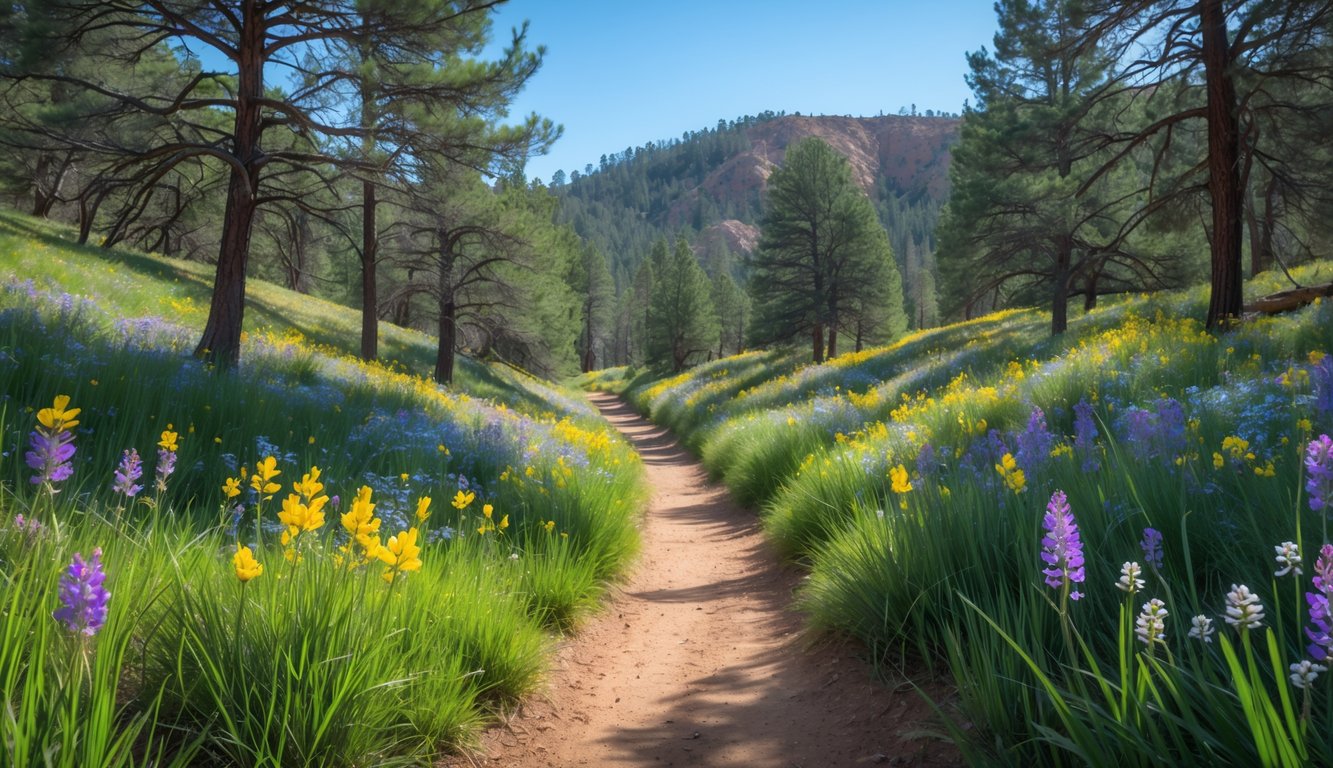
Hikers can explore places like the Signal Peak Trail, where the forest floor is adorned with a rich tapestry of wildflowers. This trail not only highlights diverse flora but also offers breathtaking views of the surrounding Mogollon Mountains. The promise of witnessing such vibrant natural beauty entices adventurers to lace up their boots and head to this remarkable destination.
For those seeking even more variety, the Sheridan Corral Trail offers a blend of easy-to-moderate hikes ideal for a day trek into the heart of the Gila Wilderness. Combined with hand-curated trail maps and detailed reviews from hikers, visitors are set for an unforgettable floral adventure.
Best Trails for Spring Wildflower Viewing
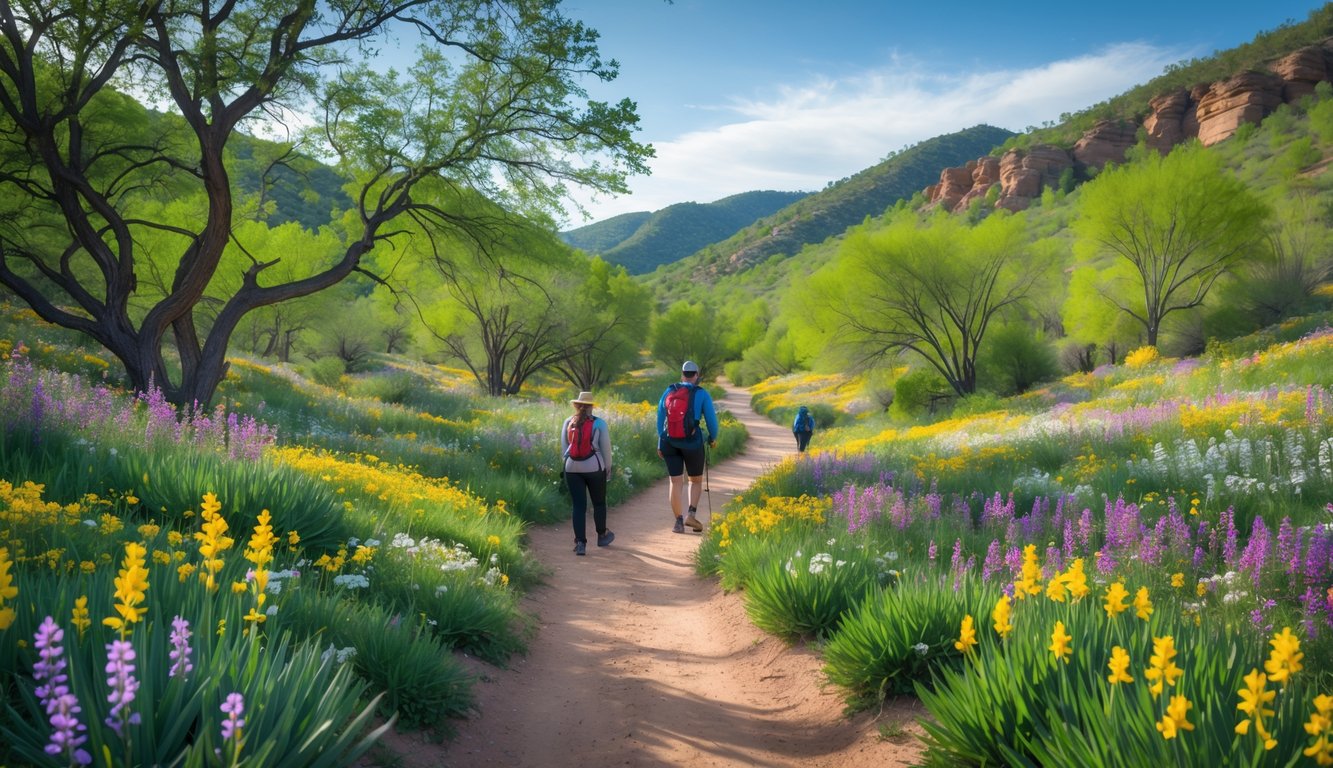
Spring in the Gila National Forest offers an exciting opportunity to see diverse wildflower species. Hikers can explore stunning landscapes featuring vivid blooms and breathtaking vistas. Here, several trails provide the best access to nature’s springtime show.
Top Day Hikes for Wildflowers
For those seeking a memorable day hike, the Catwalk National Recreation Trail is a top choice. This trail provides unique perspectives with its constructed catwalks and scenic views. During spring, hikers are greeted by blooming columbines and penstemons along the trail, creating a vibrant color palette. Additionally, the Middle Fork Trail offers another excellent option, winding through riparian areas with lush plant life. This trail’s proximity to waterways allows wildflowers like Mexican gold poppies and Indian paintbrush to thrive, making each turn a visual treat.
Scenic Routes in the Gila Wilderness
The Gila Wilderness boasts some of the most scenic routes for wildflower enthusiasts. The West Fork Gila River Trail is notable for its diverse terrain and plant life. As the trail meanders along the river, early spring reveals clusters of mariposa lilies and desert marigolds. Similarly, the Little Bear Canyon Trail offers expansive views and an impressive array of wildflowers, including sunflowers swaying against the backdrop of the canyon’s dramatic cliffs. These routes not only showcase the area’s natural beauty but also offer a serene escape into the wilderness.
Exploring Aldo Leopold Wilderness Trails
In the heart of the Aldo Leopold Wilderness, hikers can find trails with plentiful wildflower spotting opportunities. The Holdout Canyon Trail is a must for those interested in experiencing a diverse collection of wildflowers. The trail is known for its open meadows adorned with evening primrose and skyrocket gilia, providing a colorful canvas during the spring months. Furthermore, the Continental Divide Trail segment in this wilderness area lets hikers follow the historic path through fields brightened by the presence of lupines and prairie clover. Both trails offer not only floral splendor but also a deeper connection with the untouched landscape.
Planning Your Wildflower Hiking Adventure
Gila National Forest, with its diverse ecosystems, is an incredible place for a spring wildflower hike. This guide explores the optimal timing for witnessing vibrant blooms, offers crucial information about trailhead access and parking, and suggests what essentials to pack for a successful hike.
Timing Your Visit for Peak Blooms
Timing is everything when it comes to maximizing your wildflower-viewing experience in Gila National Forest. The best period to witness peak blooms typically falls in late March to early April, depending on weather conditions. Spring’s moderate temperatures enhance the hiking experience, providing a comfortable climate. Keep an eye on local updates and possible late frosts that might delay blooming. Websites such as Gila Trails Info offer invaluable insights and current conditions, ensuring visitors don’t miss out on nature’s colorful display.
Trailhead Access and Parking Information
Navigating to the trailhead is essential for starting your adventure smoothly. Key trailheads in Gila National Forest include Little Bear Canyon and Middle Fork, each offering distinct wildflower views. Parking facilities are usually available but can fill quickly during peak seasons. Utilize resources like the Forest Service for maps and precise directions. It’s wise to arrive early in the day to secure a spot and avoid midday crowds. Respect all parking regulations to ensure a safe and enjoyable visit for everyone exploring this splendid wilderness.
Essential Packing List for Spring Hikes
Preparation is vital for a successful hiking trip in Gila National Forest. A well-prepared backpack can make a huge difference:
- Water: Bring at least two liters to stay hydrated.
- Sunscreen: Vital for protection against the high-altitude sun.
- Snacks: Energy bars or trail mix for refueling.
- Map or GPS: Crucial for navigation.
- Layered Clothing: Weather can change quickly; be prepared for cooler evenings.
- First Aid Kit: A compact kit for minor injuries.
Include sturdy shoes with good traction, as trails can be uneven. With the right gear, hikers can fully appreciate the beauty of the wildflower-laden landscape while staying safe and comfortable on their adventure.
Must-See Natural & Historic Highlights
The Gila National Forest offers a treasure trove of attractions that capture both the natural splendor and historical significance of the region. From fascinating ancient sites to breathtaking landscapes, this forest is a must-visit for nature enthusiasts and history buffs alike.
Gila Cliff Dwellings National Monument
Tucked away in the rugged mountains, the Gila Cliff Dwellings National Monument presents an awe-inspiring glimpse into the ancestral Puebloan culture. Visitors can explore these structures, which date back to the late 13th century, and discover how the Mogollon people lived nestled within the cliffs. Besides the architectural wonders, the area offers interpretive trails that provide a rich backdrop of the surrounding forest. Guided tours are available, offering deeper insights into the site’s history and cultural importance. The nearby visitor center further enriches the experience, displaying artifacts and offering educational resources about the people who once thrived here.
Lake Roberts and Surrounding Trails
Lake Roberts, a serene body of water, is a picturesque destination providing both relaxation and adventure. This area features lush flora and is a popular spot for wildlife viewing. A network of trails weaves around the lake, catering to hikers of all skill levels. Whether visitors seek a leisurely walk or a challenging hike, they will find paths offering stunning views and peaceful ambiance. Anglers might try their luck with the local fish, while picnickers enjoy the calm surroundings. Nearby campgrounds make it easy to extend a stay, allowing more time to appreciate the natural beauty.
Views of the Mogollon Mountains
The majestic Mogollon Mountains dominate the horizon with peaks that soar high above the forest, offering panoramic vistas for hikers and photographers alike. Trails traverse the area, leading adventurers through diverse ecosystems ranging from ponderosa pine forests to arid regions. These mountains, formed by ancient volcanic activity, provide a dramatic backdrop that captivates all who visit. Besides the stunning scenery, the region supports a variety of wildlife, including elk and various bird species. The dramatic landscapes and diverse ecosystems make this area a standout feature of the Gila National Forest, ensuring that each visit is filled with memorable sights and experiences.
Navigating Elevation and Trail Conditions
Spring brings both beauty and challenges to Gila National Forest, with diverse elevations affecting trail difficulty and weather playing a key role in hiking conditions. While exploring, hikers should be mindful of the varying terrain and wildlife, ensuring a safe and enjoyable adventure.
Elevation Change and Trail Difficulty
The Gila National Forest is a vast area with trails that descend into canyons and climb rugged mountain slopes. Each trail offers unique elevation changes, impacting the difficulty level and pacing needed for a successful hike. For instance, the Aeroplane Mesa Trail provides access to the Gila Wilderness and involves significant elevation gain, making it a more challenging option. Hikers can anticipate a mix of terrain, from steep inclines requiring careful footing to flat areas that allow for relaxed strides. Preparing for these shifts in elevation is crucial. Bringing trekking poles can aid in balance and relieve stress on knees during ascents and descents.
Weather Considerations in Spring
Springtime in Gila National Forest may present fluctuating weather conditions, especially in areas with elevation changes. Before setting out, it’s wise to check the forecast to prepare adequately. Conditions can shift from sunny and warm at lower elevations to cooler, breezy weather in higher regions. Pack layers, such as windproof jackets and moisture-wicking clothing, to adjust to these variations comfortably. It’s also essential to keep an eye on clouds, as rainstorms can arise unexpectedly, making trails more slippery and challenging to navigate. Carrying a small, portable weather radio can help hikers stay informed about any sudden changes.
Wildlife and Safety Precautions
The Gila National Forest is teeming with wildlife, adding an exciting aspect to hikes amid blooming wildflowers. Still, safety precautions are necessary to protect both hikers and the creatures inhabiting the forest. Bear-proof food containers help keep both you and animals safe by discouraging wildlife from venturing too close to campsites. Additionally, carrying a whistle can be vital for signaling in case of separation from the group. By respecting these magnificent creatures’ space, hikers can experience the wilderness safely. Maintaining awareness and keeping a safe distance ensures that the forest remains a thriving ecosystem for both wildlife and adventurers.
Campgrounds and Overnight Experiences
Gila National Forest offers a diverse range of camping and overnight experiences, from rustic campgrounds near trailheads to immersive backpacking trips in the vast Gila Wilderness. Adventurers can enjoy breathtaking vistas, clear night skies, and encounters with unique wildlife during their stays.
Rustic Campgrounds Near Trailheads
Camping enthusiasts looking to immerse themselves in the natural beauty of Gila National Forest will find numerous rustic campgrounds conveniently located near major trailheads. Aeroplane Mesa Campground is a great starting point for hikers and horseback riders, offering a ‘park-like’ area dotted with trees and open spaces. Apache Creek Campground, nestled among ponderosa pines, offers a quiet spot full of wildlife. Cherry Creek Campground provides a scenic setting by the Trail of the Mountain Spirits Scenic ByWay, perfect for both picnicking and overnight stays. These campgrounds offer basic amenities, ensuring visitors can focus on their outdoor adventures. Most of them are not too far off the beaten path, making them accessible yet offering a sense of seclusion.
Backpacking in the Gila Wilderness
For those seeking a more immersive experience, the Gila Wilderness provides an unparalleled backdrop for backpacking. Covering over 3.3 million acres, it’s one of New Mexico’s most extensive wilderness areas, with rugged mountains, deep canyons, and dense forests. This remote setting is ideal for multi-day treks where adventurers can explore areas like the Aeroplane Mesa Trailhead. Backpackers can encounter a variety of wildlife, from bighorn sheep to peregrine falcons. The challenge and beauty of navigating these trails make for an exciting and rewarding experience for seasoned hikers who appreciate the wilderness’s untouched charm.
Tips for Staying Overnight
Staying overnight in such a vast and diverse landscape requires careful preparation. It’s important to check current conditions and obtain necessary permits if needed. Packing essential items like sufficient food, water, and a reliable map is crucial. For those camping, choosing a designated campground can add a layer of safety and convenience. When backpacking, remembering to follow Leave No Trace principles helps preserve the pristine environment. Finally, staying informed about local wildlife and taking necessary precautions ensures a safe and enjoyable stay. Whether nestled under the stars or deep in the trails, an overnight adventure in Gila National Forest promises lasting memories.