Top 10 Epic Places to See Autumn Colors in the United States
Best Destinations for Autumn Colors
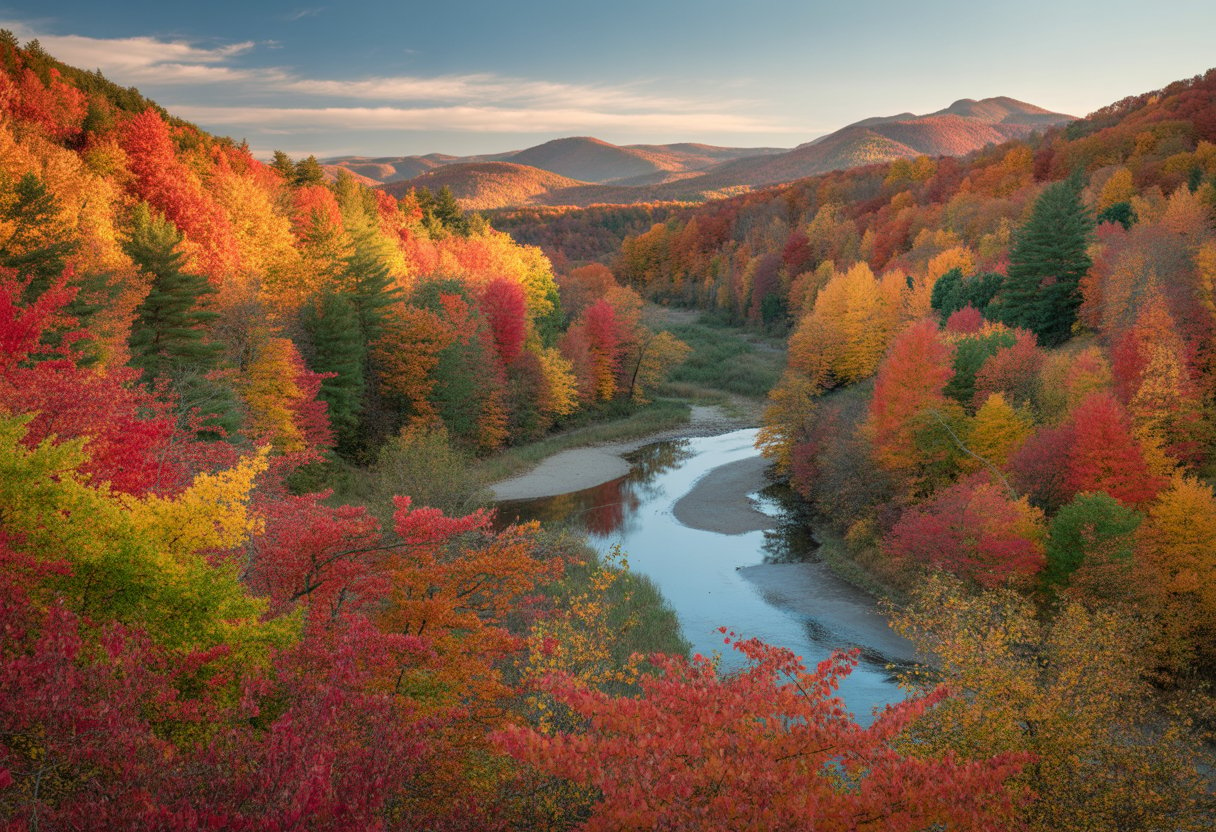
The eastern United States offers spectacular fall foliage displays from late September through October, with coastal Maine providing dramatic ocean backdrops and mountain regions delivering expansive valley views. Each destination features distinct peak timing and unique landscape characteristics.
Acadia National Park, Maine
Acadia National Park combines rugged coastline with vibrant fall colors, creating one of New England’s most photographed autumn destinations. The park’s maples, birches, and oaks transform into brilliant reds, oranges, and yellows typically from late September to mid-October.
Cadillac Mountain provides panoramic views of the fall foliage spreading across Mount Desert Island. Visitors can drive the 3.5-mile summit road or hike the moderate trail to witness colors stretching to the Atlantic Ocean.
The Park Loop Road offers a scenic 27-mile drive through diverse landscapes. This route passes Thunder Hole, Sand Beach, and Jordan Pond, where fall colors reflect in the crystal-clear water.
Popular hiking trails include the Jordan Pond Path and Great Head Trail. These moderate walks showcase the park’s diverse tree species against dramatic coastal backdrops.
Peak foliage typically occurs during the first two weeks of October. The park’s unique location creates a longer viewing season compared to inland areas.
Blue Ridge Mountains, North Carolina
The Blue Ridge Mountains stretch across western North Carolina, offering some of the Southeast’s most reliable fall color displays. This region features over 100 tree species that create a diverse palette of autumn hues from mid-September through early November.
Peak foliage timing varies by elevation, with higher elevations changing first. Colors typically begin at elevations above 4,000 feet in late September and progress downward through October.
The Blue Ridge Parkway provides 469 miles of scenic mountain driving through North Carolina and Virginia. Popular viewpoints include Rough Ridge, Linn Cove Viaduct, and Grandfather Mountain.
Great Smoky Mountains National Park borders the Blue Ridge region and offers additional fall viewing opportunities. Cataract Falls and Crabtree Falls provide hiking destinations with waterfall and foliage combinations.
Local tree species include maples, hickories, tulip poplars, and dogwoods. Each species contributes different colors, from deep reds to bright yellows and purples.
Shenandoah National Park, Virginia
Shenandoah National Park encompasses 200,000 acres of protected mountains and forests along Virginia’s Blue Ridge Mountains. The park’s diverse elevation range creates extended fall foliage seasons from mid-September through early November.
Skyline Drive runs 105 miles through the park’s length, connecting 75 overlooks and viewpoints. This scenic road provides easy access to fall colors without extensive hiking.
Popular overlooks include Stony Man Summit, Dark Hollow Falls, and Bearfence Mountain. These locations offer different perspectives of the Shenandoah Valley’s autumn transformation.
The park contains over 500 miles of hiking trails. Old Rag Mountain and Whiteoak Canyon rank among the most popular fall hiking destinations for experienced hikers.
Peak viewing periods typically occur from early to mid-October at higher elevations. Lower elevations maintain colors through late October and early November.
Wildlife viewing opportunities increase during fall months as animals prepare for winter. Black bears, deer, and numerous bird species become more active and visible.
Hudson Valley, New York
The Hudson Valley extends north from New York City along the Hudson River, creating accessible fall foliage viewing for urban populations. Historic estates, vineyards, and small towns provide cultural attractions alongside natural beauty.
Peak foliage typically occurs from late September through mid-October. The region’s diverse microclimates create varying peak times across different areas.
Storm King Art Center combines outdoor sculpture installations with fall colors across 500 acres. This destination offers unique artistic perspectives on autumn landscapes.
The Walkway Over the Hudson provides elevated views of fall colors from a converted railroad bridge. This 1.28-mile pedestrian walkway spans the Hudson River at 212 feet above water level.
Bear Mountain State Park offers hiking trails and scenic drives through dense forests. The park’s Perkins Memorial Tower provides 360-degree views of autumn colors across multiple states.
Historic mansions like Kykuit and Vanderbilt Mansion feature landscaped gardens that complement natural fall displays. These properties offer guided tours through manicured grounds during peak foliage periods.
Scenic Drives for Prime Leaf-Peeping
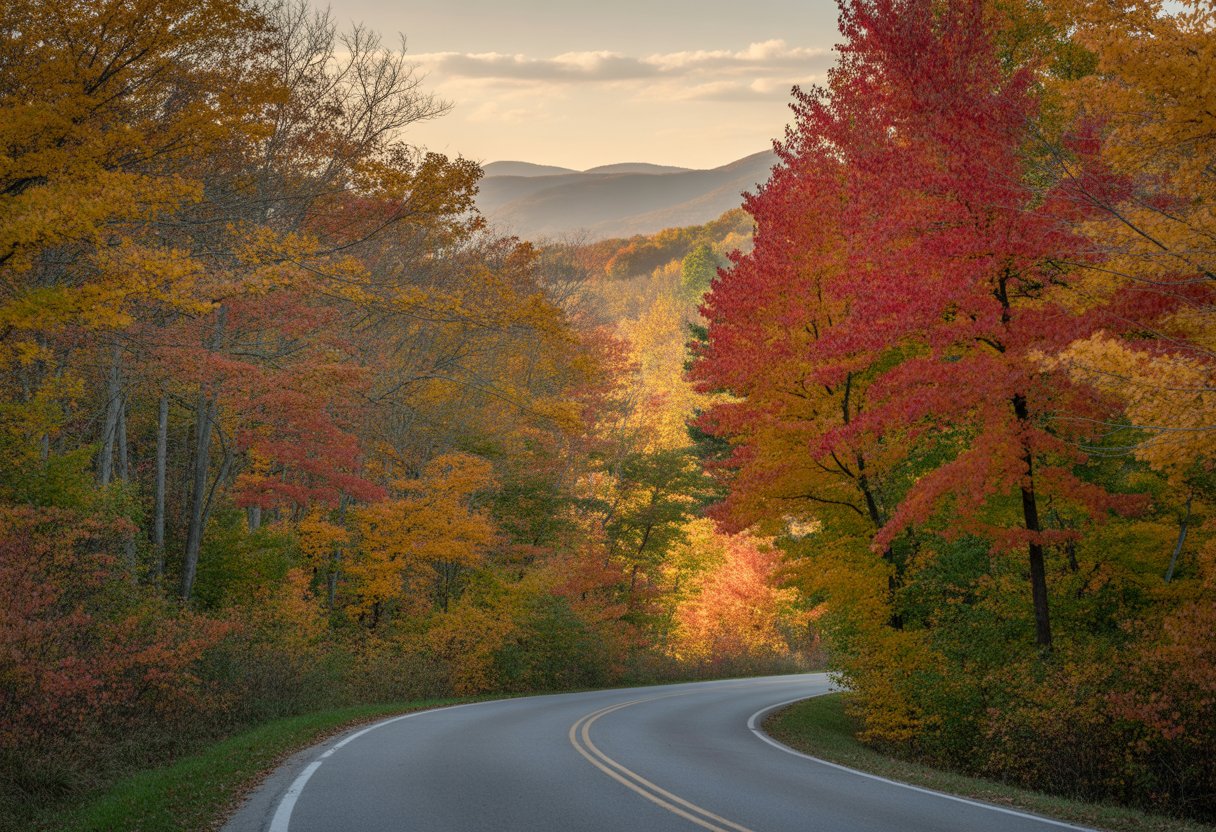
Virginia’s Skyline Drive offers 105 miles of mountain vistas through Shenandoah National Park.
New Hampshire’s Kancamagus Highway winds through White Mountain National Forest with hairpin turns and scenic overlooks. Vermont’s Green Mountain Byway connects charming towns while showcasing classic New England fall colors.
Skyline Drive in Virginia
Skyline Drive stretches 105 miles through Shenandoah National Park from Front Royal to Rockfish Gap. The curving road maintains a 35 mph speed limit, encouraging drivers to absorb the changing colors of the Appalachian Mountains.
Key stops include Crimora Lake Overlook and Hogback Overlook. These vantage points provide sweeping views of valleys blanketed in red, orange, and yellow foliage.
Old Rag Mountain offers challenging hikes to a 3,284-foot peak with panoramic views. Blackrock Summit provides easier trails suitable for families seeking autumn colors without strenuous climbs.
The drive connects to the Blue Ridge Parkway at its southern endpoint. This extension adds 469 additional miles of Appalachian fall scenery for dedicated leaf peeping enthusiasts.
Kancamagus Highway, New Hampshire
The Kancamagus Highway spans 56 miles between Conway and Bath through White Mountain National Forest. Known locally as “the Kanc,” this route attracts millions of visitors annually for its exceptional fall displays.
The highway features multiple scenic overlooks and hiking trail access points. Picturesque ponds reflect surrounding foliage, creating mirror images of autumn colors.
Hairpin turns reveal new vistas around each bend. The combination of elevation changes and diverse tree species produces varied color patterns throughout the drive.
Morning visits during peak foliage weeks help avoid crowds. The route’s popularity means parking areas fill quickly during optimal viewing periods in late September and early October.
Green Mountain Byway, Vermont
Vermont’s Route 7A creates a 25-mile corridor between Bennington and Manchester. The scenic drive threads between the Taconic Mountains and Green Mountains, running parallel to the 272-mile Long Trail footpath.
Small towns dot the route with general stores selling local maple syrup and candies. Hay bales and working farms create quintessential New England autumn scenes against mountain backdrops.
The byway showcases Vermont’s diverse hardwood forests. Sugar maples, birches, and oaks create layers of color from bright yellows to deep reds across the mountainsides.
Peak foliage typically occurs during the first two weeks of October. The relatively low elevation and southern location in Vermont extends the viewing season compared to northern regions.
Mountain Retreats with Vivid Fall Scenery
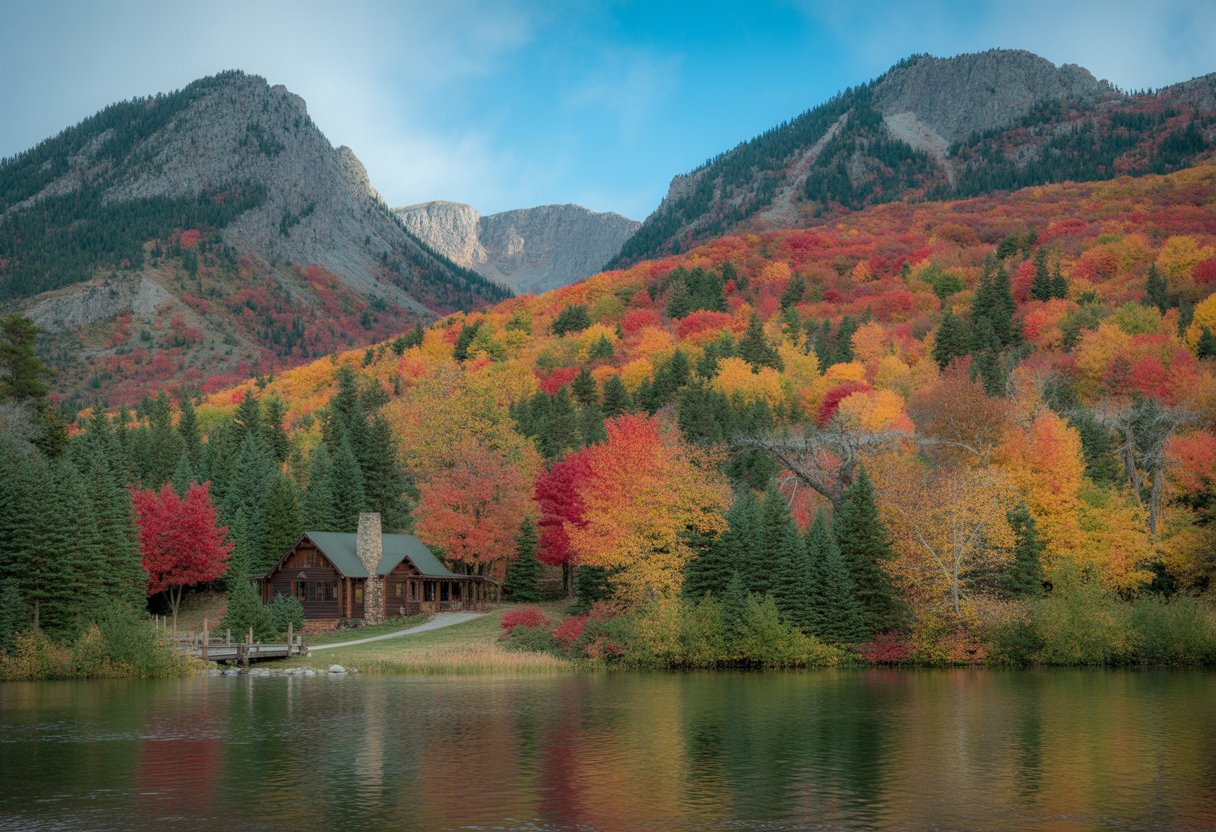
New England’s mountain peaks offer elevated perspectives of autumn’s most spectacular displays, with Vermont’s Mount Mansfield and Massachusetts’ Mount Greylock providing accessible summit experiences surrounded by vibrant forest canopies.
Mount Mansfield, Vermont
Mount Mansfield stands as Vermont’s highest peak at 4,393 feet, delivering panoramic views of fall foliage across the Green Mountains. The mountain’s distinctive profile resembles a human face when viewed from the east.
Peak foliage timing occurs from mid-September through mid-October. Lower elevations showcase maples, birches, and oaks in brilliant reds and golds.
The Mount Mansfield Auto Toll Road provides vehicle access to within 1,000 feet of the summit. This scenic drive eliminates strenuous hiking while maintaining spectacular viewpoints.
Multiple hiking trails offer varying difficulty levels. The Long Trail approaches from the south, while easier routes include the Sunset Ridge Trail.
Stowe serves as the primary base town, offering numerous lodging options from luxury resorts to cozy inns. The area provides additional fall activities including scenic chairlift rides and craft brewery tours.
Weather conditions change rapidly at elevation. Visitors should prepare for temperatures 15-20 degrees cooler than valley floors.
Mount Greylock, Massachusetts
Mount Greylock rises to 3,489 feet as Massachusetts’ highest point, featuring a distinctive war memorial tower visible from multiple states. The mountain anchors the Berkshire range in western Massachusetts.
Fall scenery peaks in early October when sugar maples, red maples, and yellow birches create a vibrant tapestry. The summit provides 360-degree views spanning five states on clear days.
Greylock Scenic Byway winds 9 miles to the summit, passing through multiple forest zones. This paved road accommodates all vehicles and includes several scenic overlooks.
The Appalachian Trail crosses the summit, connecting with numerous hiking options. Rounds Rock Trail offers a moderate 2-mile approach with excellent foliage viewing.
Bascom Lodge operates seasonally at the summit, providing rustic accommodations and dining. Nearby towns including Lenox and Great Barrington offer additional lodging and cultural attractions.
The Veterans War Memorial Tower adds 93 feet of elevation for enhanced viewing. Interior stairs lead to an observation deck above the treeline.
National Parks Showcasing Fall Foliage
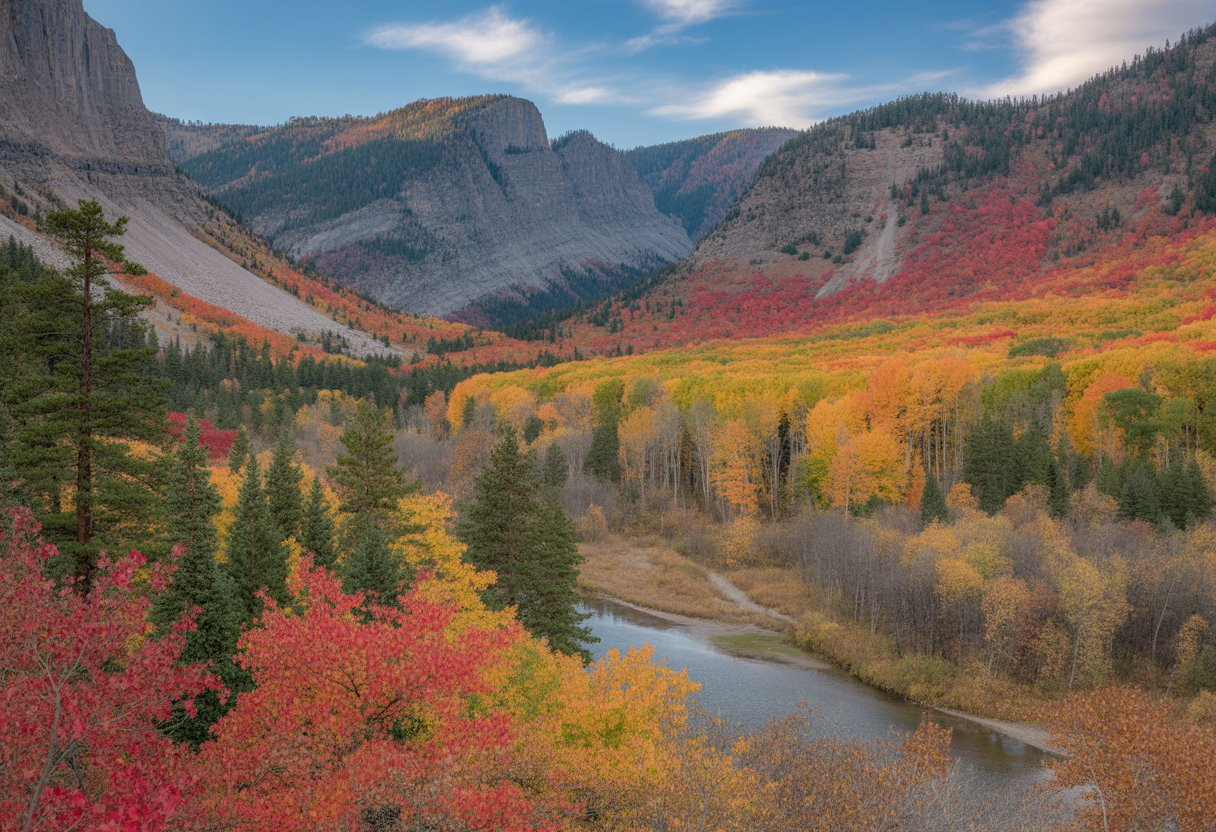
Rocky Mountain National Park transforms into a golden landscape during September and early October, while White Mountain National Forest delivers the classic New England autumn experience with peak colors typically occurring in late September through mid-October.
Rocky Mountain National Park, Colorado
Rocky Mountain National Park offers a unique autumn experience focused primarily on golden aspen groves rather than the mixed hardwood displays found in eastern parks. The park’s fall season runs shorter than most locations, typically peaking between mid-September and early October.
Best Viewing Areas:
- Bear Lake Road corridor
- Trail Ridge Road (weather permitting)
- Sprague Lake trail
- Alberta Falls trail
The aspens create brilliant yellow canopies against the park’s dramatic mountain backdrop. Visitors can access many viewing areas by car, though some of the most spectacular groves require short hikes.
Timing Considerations:
Peak color usually occurs around the third week of September. Weather conditions can change rapidly at high elevation, and snow may close Trail Ridge Road as early as October.
The park experiences significantly fewer crowds during fall compared to summer months. Wildlife activity increases as animals prepare for winter, offering excellent opportunities to spot elk during their mating season.
White Mountain National Forest, New Hampshire
White Mountain National Forest spans nearly 800,000 acres across New Hampshire and western Maine, providing extensive fall foliage opportunities. The forest contains diverse tree species including sugar maples, red maples, birches, and oaks that create layered color displays.
Prime Locations:
- Kancamagus Highway (Route 112): 34-mile scenic byway
- Mount Washington Auto Road: Offers elevation-based color progression
- Diana’s Baths trail: Combines waterfalls with foliage
- Cathedral Ledge: Provides panoramic valley views
Peak foliage typically occurs during the first two weeks of October, though timing varies by elevation. Higher elevations change first, creating an extended viewing season from late September through mid-October.
The forest offers numerous hiking trails ranging from easy walks to challenging summit climbs. Popular destinations include Mount Monadnock and the Presidential Range, where visitors can experience multiple color zones in a single hike.
Charming Towns and Rural Landscapes
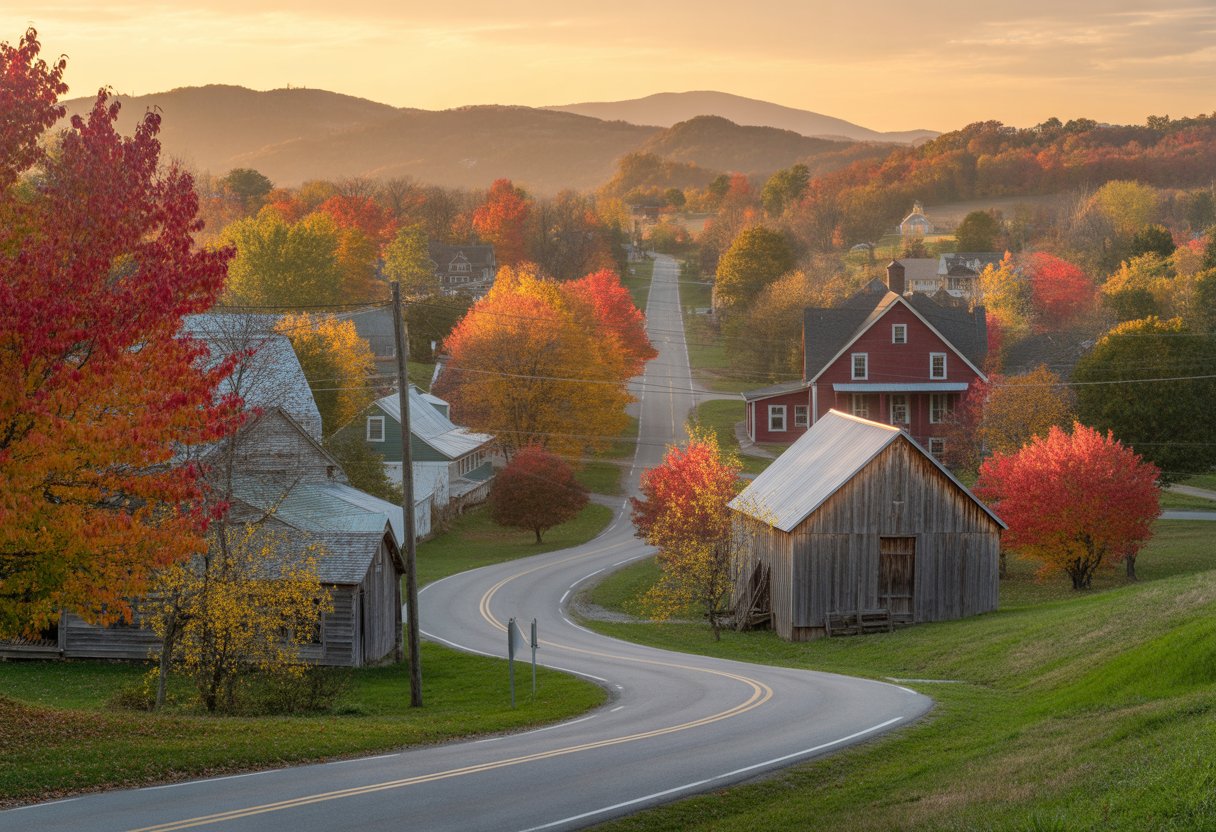
Vermont’s iconic covered bridges and the rolling hills of Massachusetts create some of New England’s most photographed autumn scenes. These regions offer intimate fall experiences where visitors can walk through historic villages surrounded by blazing maples and birches.
Covered Bridges in Vermont
Vermont contains over 100 covered bridges that serve as perfect frames for fall foliage viewing. The state’s rural landscape transforms into a patchwork of reds, oranges, and yellows during peak season from late September through mid-October.
Woodstock stands out as a quintessential fall destination. The town features several covered bridges including the Middle Bridge, which spans the Ottauquechee River in the village center. Billings Farm & Museum offers visitors traditional farming experiences amid spectacular autumn colors.
Stowe provides another excellent base for covered bridge tours. The Gold Brook Bridge, also known as Emily’s Bridge, attracts photographers seeking the perfect shot of fall foliage reflected in the stream below.
Route 100 connects many covered bridges throughout central Vermont. This scenic highway passes through small villages where maple trees create natural canopies over country roads. The drive between Waterbury and Warren showcases some of the state’s most vibrant autumn displays.
Berkshires, Massachusetts
The Berkshire Mountains in western Massachusetts offer a more refined autumn experience with cultural attractions nestled among forested hills. This region combines natural beauty with historic New England charm.
Lenox serves as the cultural heart of the Berkshires during fall season. The town hosts numerous festivals and events while surrounded by sugar maples that turn brilliant shades of red and gold. Tanglewood, the summer home of the Boston Symphony Orchestra, provides scenic grounds for autumn walks.
Stockbridge maintains its Norman Rockwell character with a Main Street lined by historic buildings and mature elm trees. The Norman Rockwell Museum displays the artist’s work in a setting that mirrors his paintings of small-town America.
The Mohawk Trail follows Route 2 through the northern Berkshires. This scenic byway climbs through mountain forests where visitors can stop at overlooks for panoramic views of the autumn canopy stretching toward distant peaks.
Historic and Cultural Sites Amid Autumn Colors
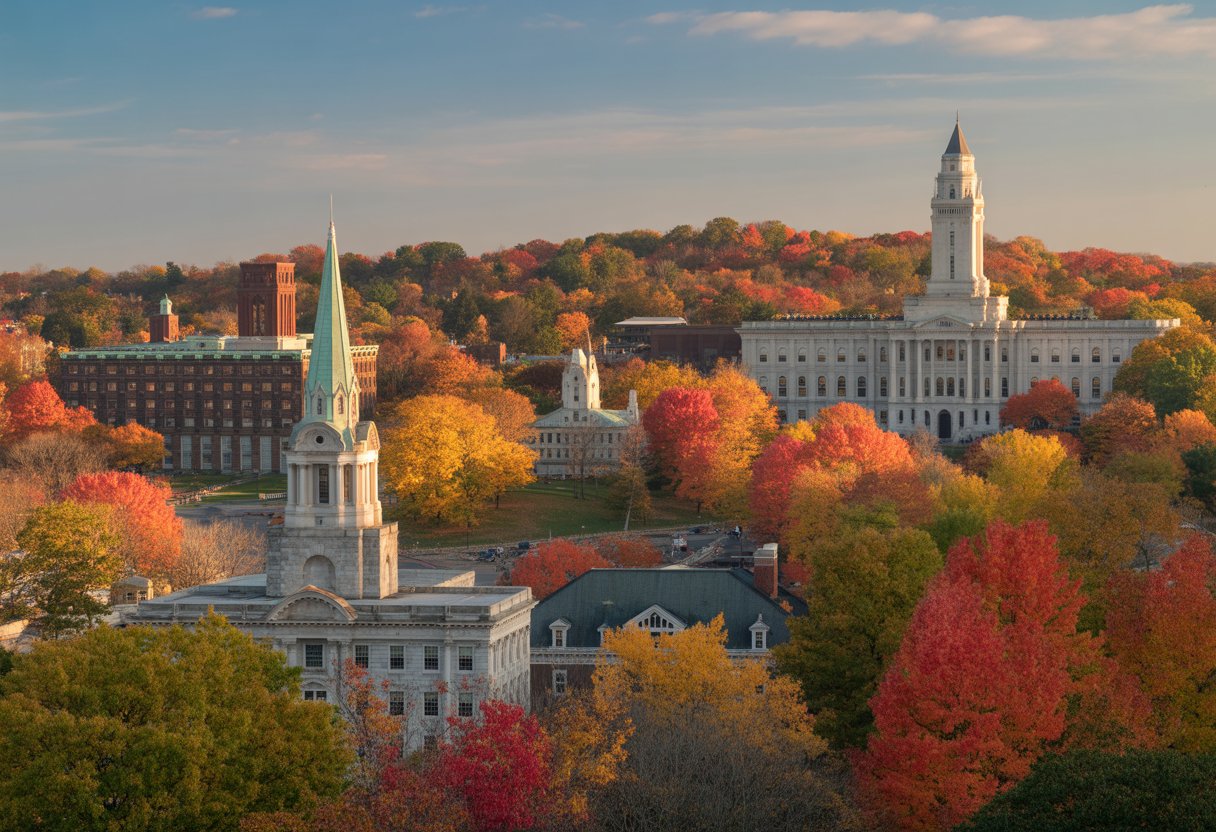
Virginia’s rolling landscapes transform into brilliant tapestries of red, orange, and gold each fall, creating stunning backdrops for the state’s most treasured historic sites.
The region’s vineyards and heritage trails offer visitors unique opportunities to experience American history surrounded by spectacular autumn foliage.
Monticello in Charlottesville, Virginia
Thomas Jefferson’s architectural masterpiece sits atop a mountain surrounded by some of Virginia’s most spectacular fall colors. The estate’s carefully planned gardens and grounds showcase native trees that burst into vibrant autumn hues each October.
Visitors can explore the neoclassical mansion while enjoying panoramic views of the Shenandoah Valley painted in seasonal colors. The property’s walking trails wind through groves of sugar maples, tulip poplars, and oaks that create a natural kaleidoscope.
The Montalto summit provides elevated views of the surrounding countryside. Jefferson’s original landscape design incorporated native Virginia species that peak in fall brilliance.
Best viewing times occur from mid-October through early November. The visitor center offers guided tours that highlight both Jefferson’s innovations and the estate’s natural seasonal beauty.
Heritage Trails and Vineyards
Virginia’s wine country combines historic sites with autumn vineyard tours along designated heritage trails. The Virginia Wine Trail connects colonial-era landmarks with modern wineries nestled among rolling hills of fall foliage.
Scenic drives through Loudoun and Fauquier counties pass 18th-century estates and Civil War battlefields. Historic properties like Mount Vernon and George Washington’s Distillery offer special fall programs.
The region’s vineyards transform into golden and crimson landscapes during harvest season. Visitors can participate in grape picking while learning about Virginia’s colonial agricultural history.
Peak foliage season coincides with wine harvest activities from late September through mid-October.
Planning Your Autumn Colors Adventure
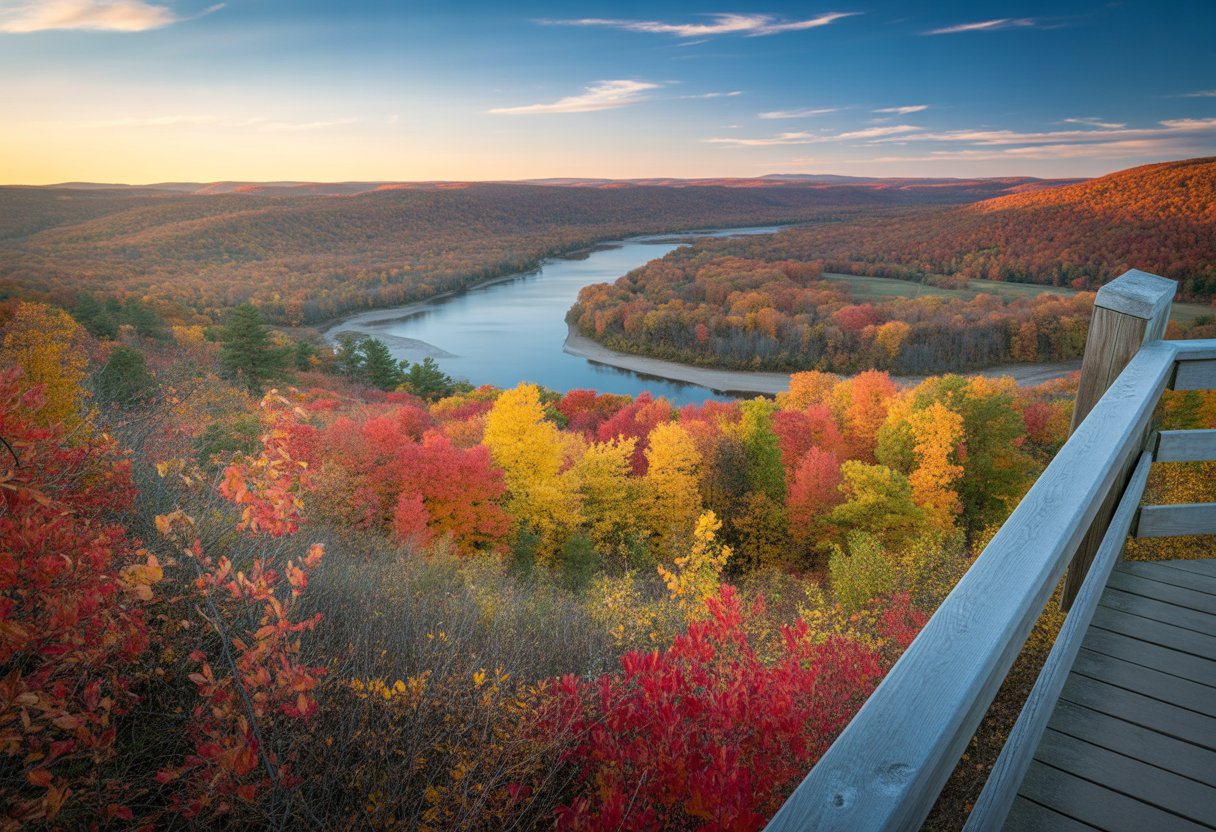
Successful fall foliage viewing requires precise timing and strategic preparation. Peak color windows span just weeks, while proper planning ensures travelers capture nature’s most vibrant displays.
Best Times to Visit for Peak Colors
Peak foliage timing varies significantly across different regions of the United States. Northern areas typically reach peak colors first, with the progression moving southward as temperatures drop.
New England experiences peak fall colors from late September through mid-October. Vermont and New Hampshire showcase their brightest displays during the first two weeks of October.
The Great Smoky Mountains reach peak colors from mid-October to early November. Higher elevations change first, creating a cascading effect down the mountainsides.
Upper Peninsula Michigan offers spectacular leaf-peeping opportunities from late September through early October. The region’s diverse tree species create stunning color combinations.
Temperature and rainfall patterns directly impact color intensity and timing. Warm, sunny days followed by cool nights produce the most vibrant fall foliage displays.
Travelers should monitor regional foliage reports updated weekly during peak season. These reports provide real-time information about color progression in specific areas.
Tips for Leaf-Peeping Success
Early morning and late afternoon lighting creates the most dramatic fall colors photography. Golden hour illumination enhances the natural vibrancy of autumn leaves.
Pack layered clothing for fluctuating autumn temperatures. Morning temperatures can be significantly cooler than afternoon highs in most fall foliage destinations.
Book accommodations well in advance during peak foliage season. Popular leaf-peeping destinations fill up quickly, with many locations booking months ahead.
Choose scenic drives and hiking trails that offer varied elevations. Different altitudes provide unique perspectives on fall colors and extend viewing opportunities.
Bring quality cameras or smartphones with adequate storage space. Fall foliage creates countless photo opportunities that visitors want to capture and preserve.
Check weather forecasts regularly before traveling. Rain and strong winds can quickly strip trees of their colorful leaves, shortening the viewing window.
Plan flexible itineraries that allow for spontaneous stops. Some of the most spectacular fall colors appear in unexpected locations along scenic routes.