Hiking During Hunting Season: A Practical Guide to Blaze Orange and Trail Safety
Late fall can be one of the best times to hike. Crowds thin out, temperatures are comfortable, and the forest takes on a quiet, open feel. But in many parts of the United States, November also overlaps with deer, turkey, or small-game hunting seasons. That does not mean hikers must stay home. It does mean your normal trail routine should include a few extra safety steps.
This guide explains how to hike during hunting season responsibly, how to use blaze orange, what to check before you leave, and how to share public lands respectfully with hunters. Rules vary by state and land manager, so always verify local regulations, closures, and dates before your trip.
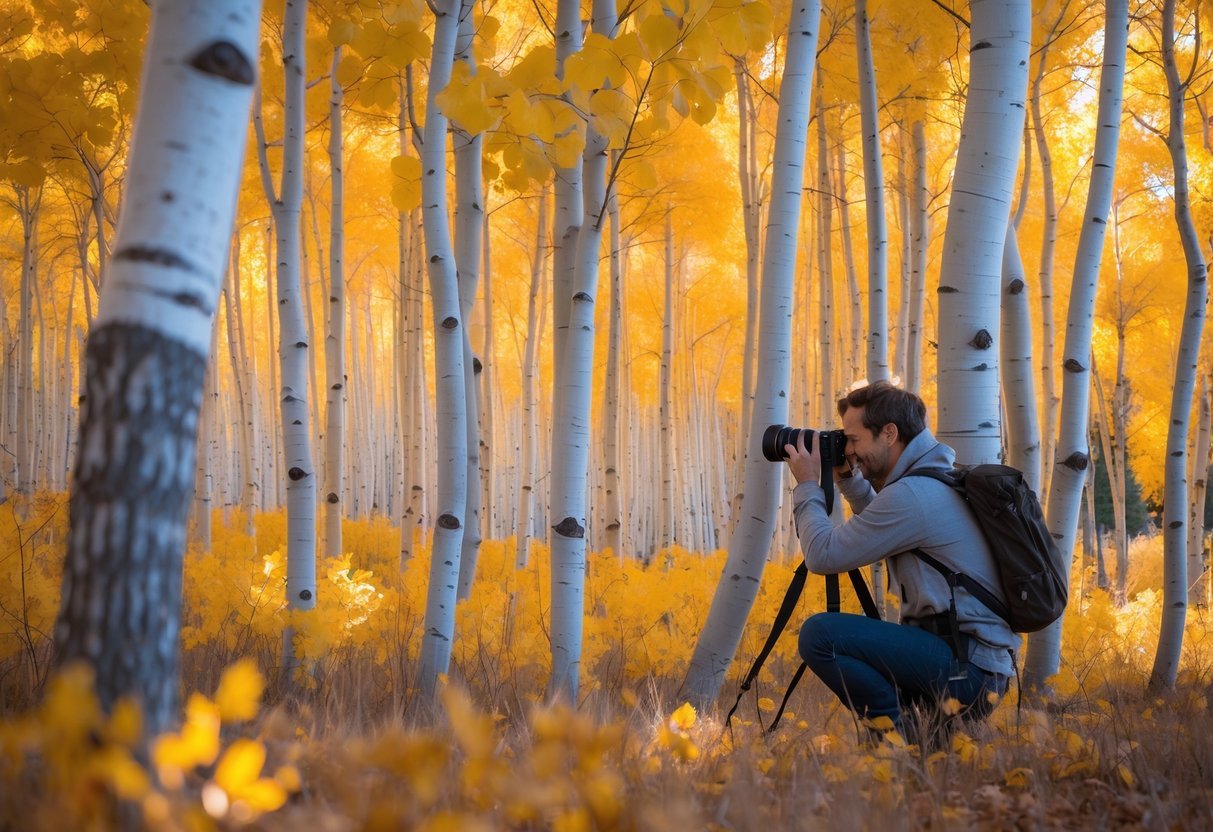
Visible clothing is one of the simplest ways to make yourself easier to identify on a busy autumn trail.
Why Hunting Season Changes Trail Planning
Hunting activity is not spread evenly across a landscape. It is often concentrated in particular wildlife-management areas, forests, access roads, and trail systems. Activity may also change by day, time of day, weapon season, and weather. A trail that feels quiet and low-risk in midsummer may have very different users in November.
Before choosing a route, check the official website for the state wildlife agency, national forest, wildlife refuge, or park that manages the land. Look for season dates, temporary closures, required colors, shooting-hour information, and maps of areas where hunting is allowed. If the information is unclear, choose a well-used urban, county, or park trail where hunting is prohibited or limited.
Use the same habit for every hike: check the forecast, trail conditions, and daylight. For cold or changing weather, our winter hiking safety checklist covers layers, traction, emergency gear, and turnaround planning that also apply during late-fall hikes.
Wear Blaze Orange or Other Highly Visible Clothing
A blaze-orange hat, vest, jacket, or pack cover makes you easier to recognize against leaves, brush, and shadow. Wear enough orange to be visible from multiple directions, not just a small patch hidden beneath a backpack. If you hike with a dog, use a bright orange or fluorescent vest, bandana, or harness for the dog as well.
Visibility is not a substitute for checking the rules. Some public lands recommend or require specific colors during certain seasons, while others may have additional requirements for hunters and recreational users. Follow the local rule exactly, and avoid camouflage clothing when hiking in an area where hunting is active.
Choose a color that remains visible when you add a rain shell or warm layer. If your outer clothing covers your orange vest, add an orange hat, pack cover, or removable panel. Reflective details can help around roads and trailheads, but they do not replace daylight visibility in the woods.
Pick the Right Trail and Time of Day
When possible, select trails that are clearly marked, popular with hikers, and outside designated hunting zones. Multiuse trails can be appropriate, but read every sign at the trailhead and obey posted boundaries. A trail may pass from a no-hunting park into a national forest or private property where rules change.
Consider hiking during the middle of the day rather than around dawn or dusk, when many hunters are most active and visibility is lowest. This also helps you avoid finishing in the dark as fall days shorten. Start with a route that leaves a comfortable margin for slower, leaf-covered footing and unexpected detours.
Tell someone where you are going and when you expect to return. Share the trailhead, route, vehicle description, and a backup plan. If you change locations after seeing a closure or crowded parking area, send the update before losing service.
Make Yourself Noticeable Without Creating a Disturbance
Hikers should be visible, but they should not intentionally interfere with lawful hunting. Stay on established trails where they are open, keep voices moderate, and do not approach blinds, tree stands, bait stations, or people who are actively hunting. Give hunters plenty of space and follow any posted detour.
If you hear gunfire, pause and assess your surroundings. Do not move toward the sound to investigate. If the trail becomes confusing, crowded, or uncomfortable, turn around and choose a safer route. Never assume that a loud voice, music, or headphones will make others aware of your location; keep at least one ear free and pay attention to what is happening around you.
Do not use a trail as a place to test whether a hunter can see you. Bright clothing, a predictable route, and good judgment are more useful than confrontation. Public lands are shared spaces, and respectful behavior helps keep them open to everyone.
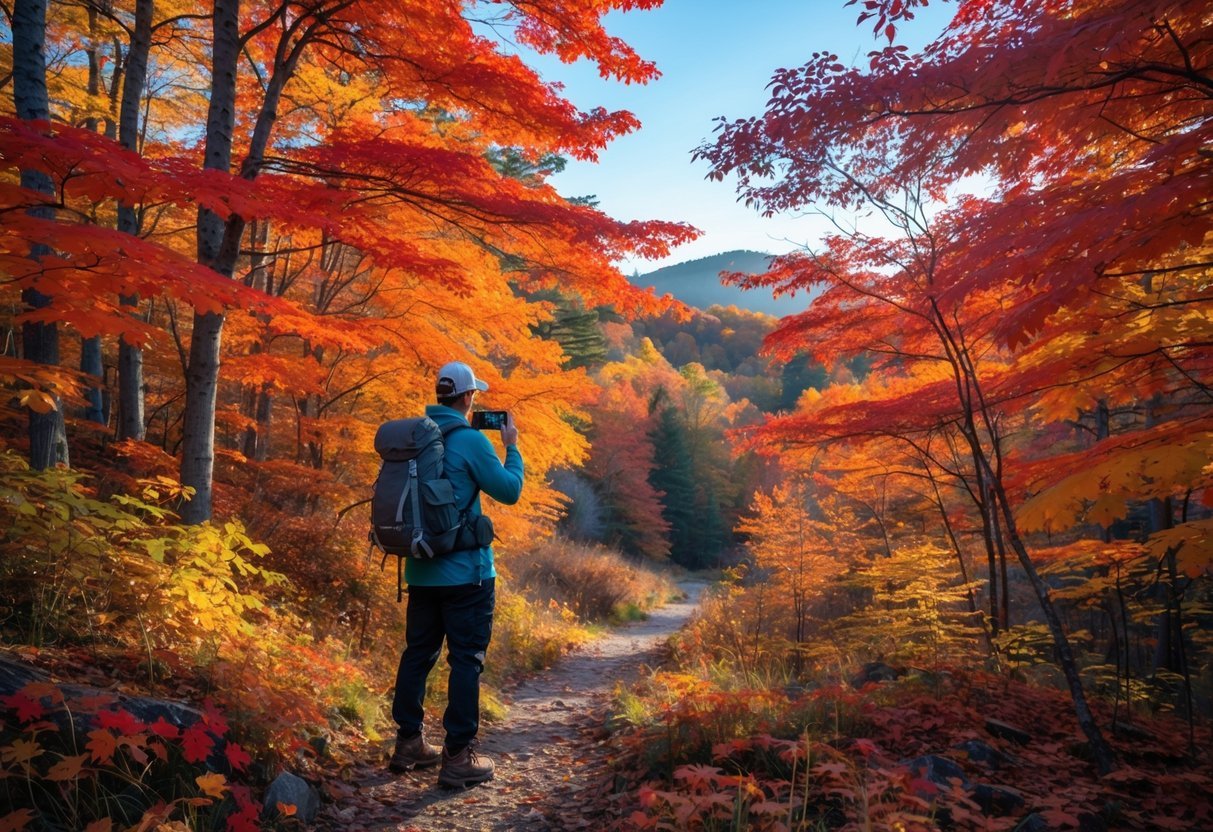
Bring a Simple Visibility and Navigation Kit
You do not need specialized equipment for a responsible day hike, but a few items are especially helpful during hunting season:
- Blaze-orange hat, vest, jacket, or pack cover
- Orange or reflective gear for dogs
- Offline map and a small paper map or compass
- Fully charged phone, kept accessible but not relied on as your only navigation tool
- Headlamp, even for a short hike
- Whistle and basic first-aid supplies
- Water, snacks, extra layer, and rain protection
- Leash for dogs where required and a way to carry waste out
Keep your phone and headlamp where you can reach them quickly. A small whistle is useful if you become separated from a partner or need to attract attention without shouting for a long time. Navigation matters because taking an unplanned shortcut around a hunting area can put you somewhere you did not intend to be.
Hiking With Children and Dogs
Children should stay close enough for you to see them at all times, especially near trail junctions and brushy sections. Dress them in bright, weather-appropriate layers and explain that the group stays together. Avoid games that involve hiding, running ahead, or leaving the marked trail.
Dogs should be leashed when required and kept under control even where off-leash hiking is allowed. A dog moving through thick brush can be difficult to see, and its movement may be mistaken for wildlife. Use visible gear, choose open trails, and do not allow your dog to approach hunters, wildlife, or equipment left beside a trail.
What to Do If You Meet a Hunter
Slow down, keep your group together, and give the person room. A simple, calm greeting is enough. If the trail is narrow, step aside in a safe location and let the other person pass. Do not touch firearms or gear, and do not ask someone to reveal a hunting location.
If a hunter tells you a route is closed or unsafe, check the official signage or land-manager information rather than arguing on the trail. Leave the area if a closure applies. If you observe conduct that appears dangerous or violates posted rules, move to a safe location and report it through the responsible land manager’s official channel.
Know When to Change Plans
The safest hike is the one you can enjoy without forcing the conditions. Choose another trail if you cannot confirm the rules, the parking area is full of hunting vehicles, the route has poor visibility, or you do not have visible clothing. Turn around if daylight is fading, weather is worsening, you become separated from your group, or the trail leaves the area you researched.
There is no prize for completing a particular route on a particular day. A short walk in a clearly designated hiking area can be more enjoyable than a longer hike where you spend the entire time uncertain about closures and nearby activity.
A Quick Pre-Hike Checklist
- Confirm the current hunting season, hours, and land rules.
- Check for closures, access changes, and trailhead notices.
- Wear blaze orange or the locally required high-visibility color.
- Choose a route with clear boundaries and reliable navigation.
- Hike in daylight and set a turnaround time.
- Tell someone your plan and expected return time.
- Keep dogs visible, controlled, and leashed where required.
- Respect hunters, wildlife, private property, and posted signs.
- Turn around when conditions or information are uncertain.
Enjoy the Quiet Season Responsibly
Hiking during hunting season can be safe and rewarding when you treat it as a shared-land planning problem rather than an afterthought. Check the rules, wear visible clothing, choose your route carefully, and stay alert. With those habits in place, you can enjoy crisp air, open views, and quieter trails while showing respect for the people and wildlife using the same landscape.
For more trail preparation ideas, browse the hiking resources and the site’s practical hiking guides.