Great Smoky Mountains Hiking: 3 Late-Fall Day Hikes
Late fall is a rewarding time for Great Smoky Mountains hiking. The crowds can be lighter, long-range views open up as leaves drop, and cool temperatures make steady climbs more comfortable. It is also a season of short daylight, changing weather, slick leaves, and occasional road or trail closures.
This guide highlights three day hikes that give beginners and intermediate hikers a useful mix of scenery: Alum Cave Bluffs, Chimney Tops, and Laurel Falls. Use the route notes to choose a hike that matches your time and fitness, then check the National Park Service before leaving because conditions and regulations can change.
Quick guide to late-fall hikes in the Smokies
- Best for a first visit: Laurel Falls, when the trail is open and you want a shorter outing.
- Best all-around scenic hike: Alum Cave Bluffs, with a steady climb and dramatic rock formations.
- Best workout and viewpoint: Chimney Tops, a short but steep route with a demanding final section.
- Best planning window: Start early enough to finish before dark, and allow extra time for wet leaves or crowded trailheads.
1. Alum Cave Bluffs Trail
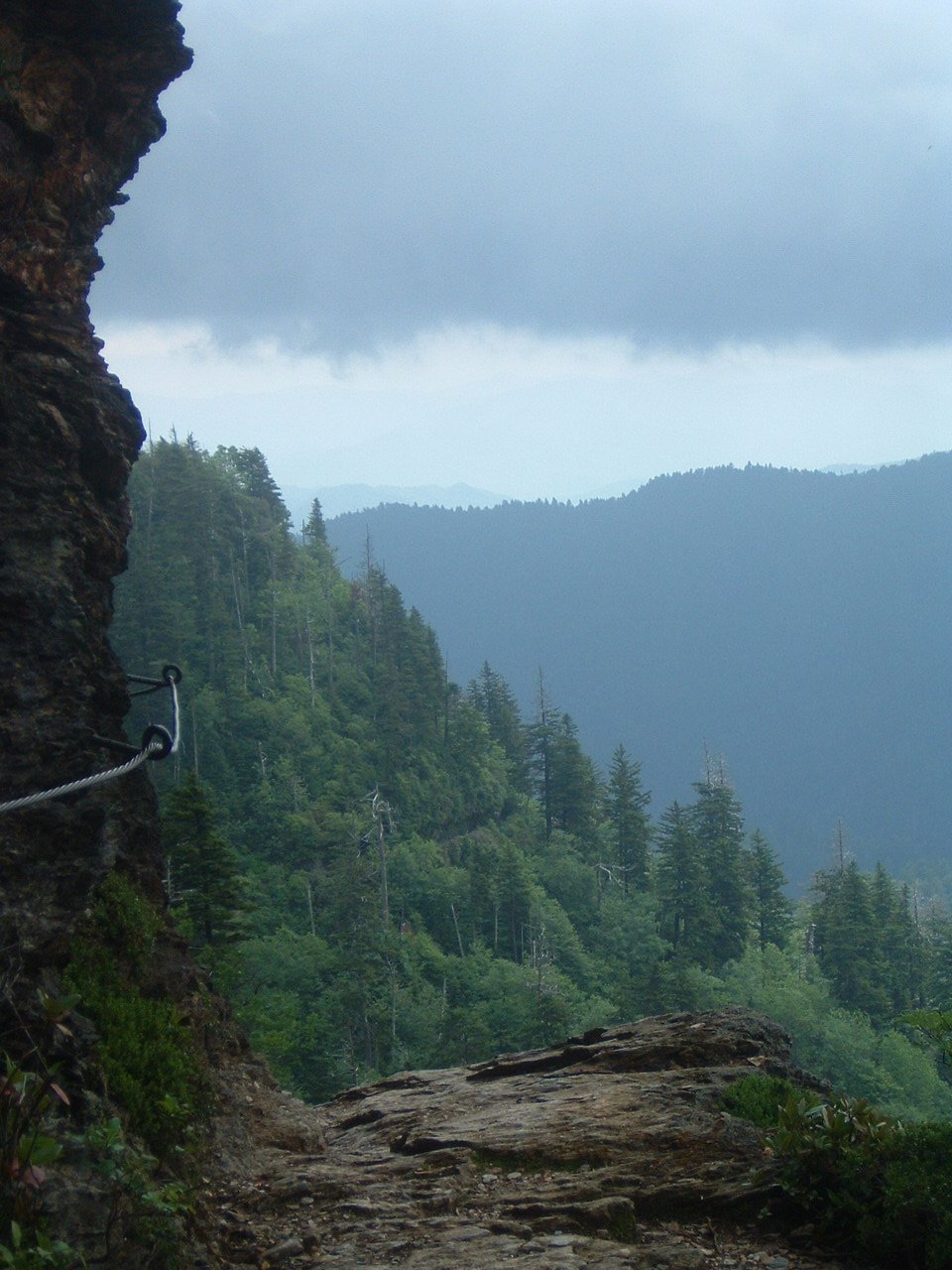
The Alum Cave Bluffs route is one of the park’s classic day hikes. The trail follows Alum Cave Creek through a rich hardwood forest, crosses several bridges, and climbs toward Arch Rock and the broad overhang known as Alum Cave Bluffs. The round trip to the bluffs is about 4.4 miles, with roughly 1,125 feet of elevation gain.
In late fall, the bare branches make the creek and rock features easier to see, while damp leaves can make roots and stone steps slippery. Wear shoes with dependable traction and take your time on the steeper sections. The bluffs are a natural stopping point; continuing beyond them toward Mount Le Conte turns the outing into a much longer and more strenuous hike.
What to know
- Expect a sustained climb rather than a flat walk.
- Do not climb on wet rock or stand near exposed edges.
- Carry water and an offline map; cell service is not guaranteed.
2. Chimney Tops Trail
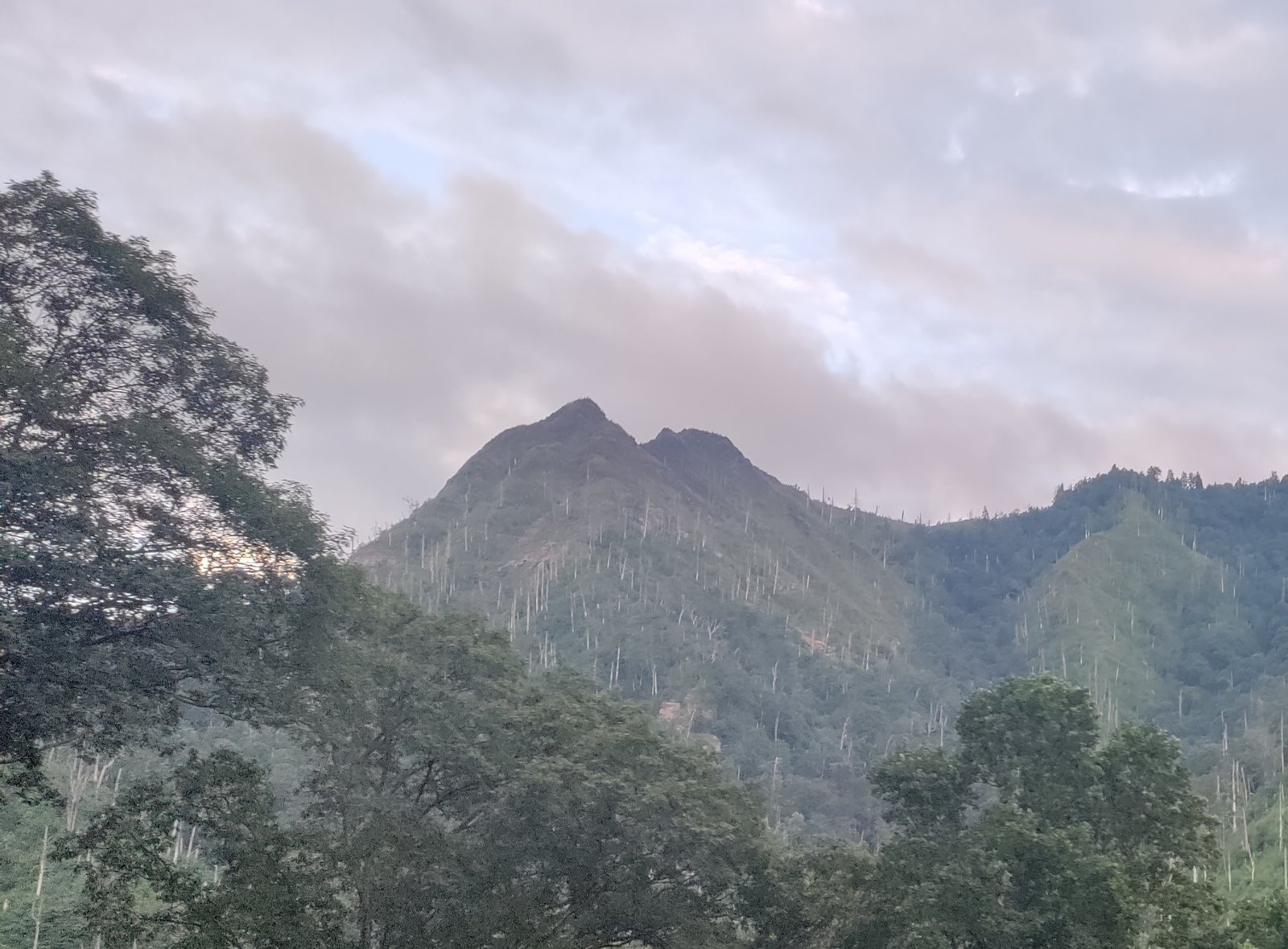
Chimney Tops is short on paper but challenging underfoot. The trail climbs sharply through forest to a rocky ridge, and the final approach includes steep steps and uneven terrain. The round trip is about 3.8 miles, with approximately 1,400 feet of elevation gain.
This is a good choice for hikers who want a compact workout and a strong mountain setting without committing to an all-day route. The upper section can be slick after rain or frost. Stay on the established path, respect barriers, and do not scramble onto unsafe rock. If the exposed viewpoint is crowded or conditions are icy, enjoy the lower overlooks and turn around.
3. Laurel Falls Trail
Laurel Falls is a popular shorter hike to a paved waterfall overlook. The round trip is about 2.6 miles, making it approachable for many first-time visitors, but the surface can still be uneven and slick in late fall. The route is often busy, so an early start improves the experience and makes parking easier.
Do not assume a short trail is risk-free. Keep children close near wet rock, avoid climbing around the falls, and be ready to turn back if the trail is icy or a closure is posted. If the main trailhead is full, do not park illegally along the road; choose another hike or return later.
Late-fall planning and safety tips
Check roads, closures, and parking rules
Before driving into the park, review the official Great Smoky Mountains National Park alerts and trail information. Road conditions, construction, storm damage, and seasonal closures can change quickly. The park also uses a parking tag system, so confirm the current requirements before your visit.
Pack for a colder return trip
- Water, snacks, and an extra insulating layer
- Rain shell, hat, and gloves
- Trail shoes with good grip; traction aids if ice is possible
- Offline map, charged phone, headlamp, and basic first-aid kit
- Small pack for carrying out every wrapper and tissue
Plan around daylight rather than your fastest summer pace. Leave earlier than you think you need to, and turn around if weather worsens, the trail becomes icy, or you are losing daylight. Our winter hiking safety checklist has additional advice on layers, traction, and emergency planning. If you visit during active hunting seasons outside the park, review our guide to hiking during hunting season as well.
Final takeaway
For a balanced late-fall day, choose Alum Cave Bluffs. Pick Chimney Tops when you want a steep workout, or Laurel Falls when you prefer a shorter outing and current conditions are favorable. Check the park’s official alerts before leaving, start with enough daylight, and let trail conditions—not a fixed itinerary—decide how far you go.
Photo credits: Wikimedia Commons images used under their respective Creative Commons licenses.
Official planning: Great Smoky Mountains National Park day hikes and current park fees and parking information.